
A study of 882 SaaS pricing sections captured by UXXRAY between August and November 2026: where pricing breaks the textbook.
In our sample, 7-day trials outnumber
14-day two to one.
Among the 103 of 882 pricing pages that state a trial length (each company counted once): 53 say 7 days, 26 say 14.
882 SaaS pricing pages, one per company, captured 9 Aug–9 Nov 2026: many small indie tools, few enterprise vendors, about one in seven on a .ai domain.
Defaulting to 14 days? Test 7.Finding 1 of 4 · The headline
About half run 7 days. A quarter run 14.
One square per pricing page that states a free-trial length (103 of 882).
- 14pages3 days
- 53pages7 days
- 26pages14 days
- 8pages30 days
+2 pages at other lengths (5 and 15 days)
Numbers on top: pages. Under each stack: days. +2 pages at other lengths (5 and 15 days).
A 2026 survey of 815 SaaS pages (PulseSignal) found the reverse: 14 days on half of them. The gap may be the population: our sample is indie-heavy.
43 more pages offer a trial but don’t say how long; they aren’t counted here.
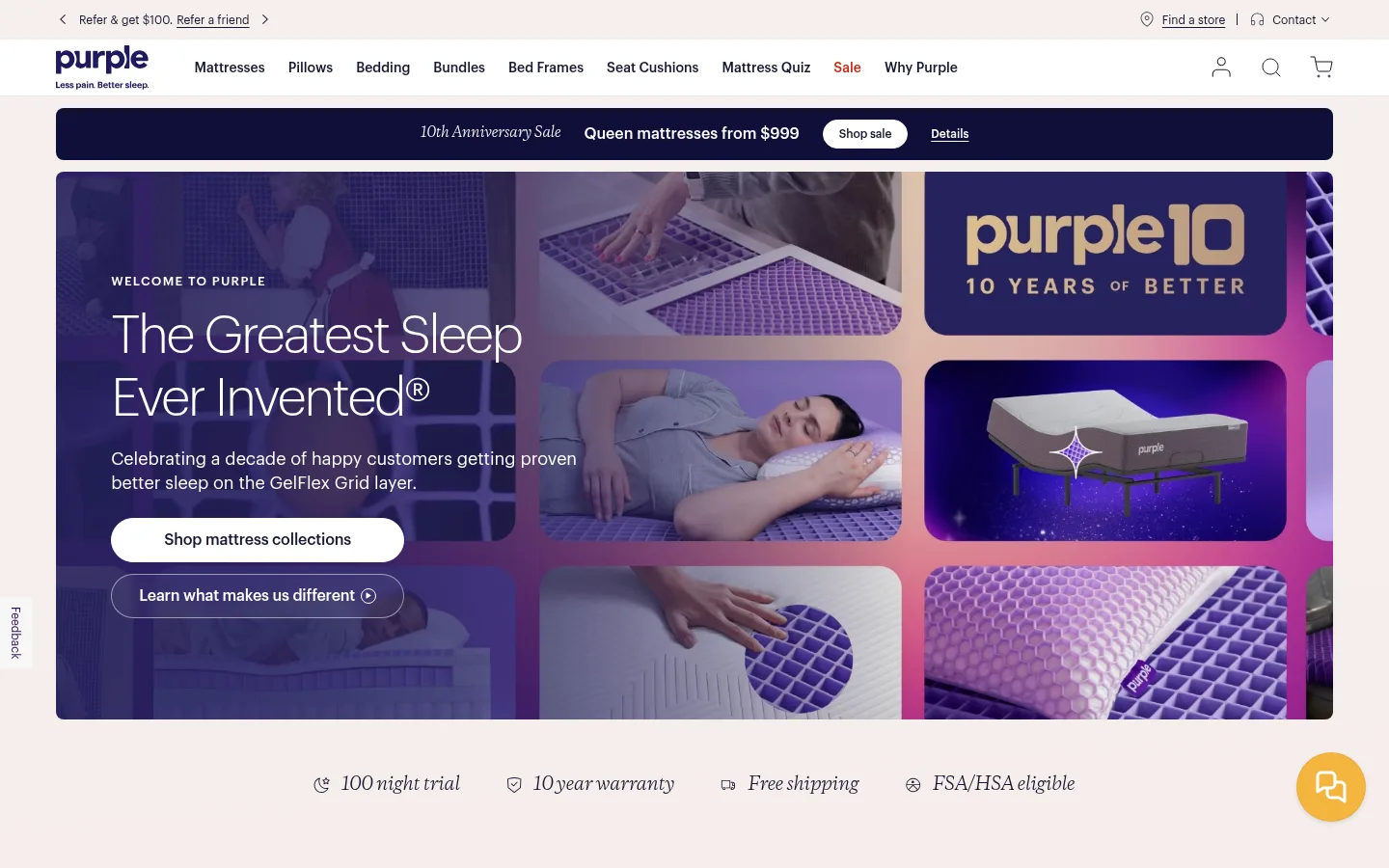
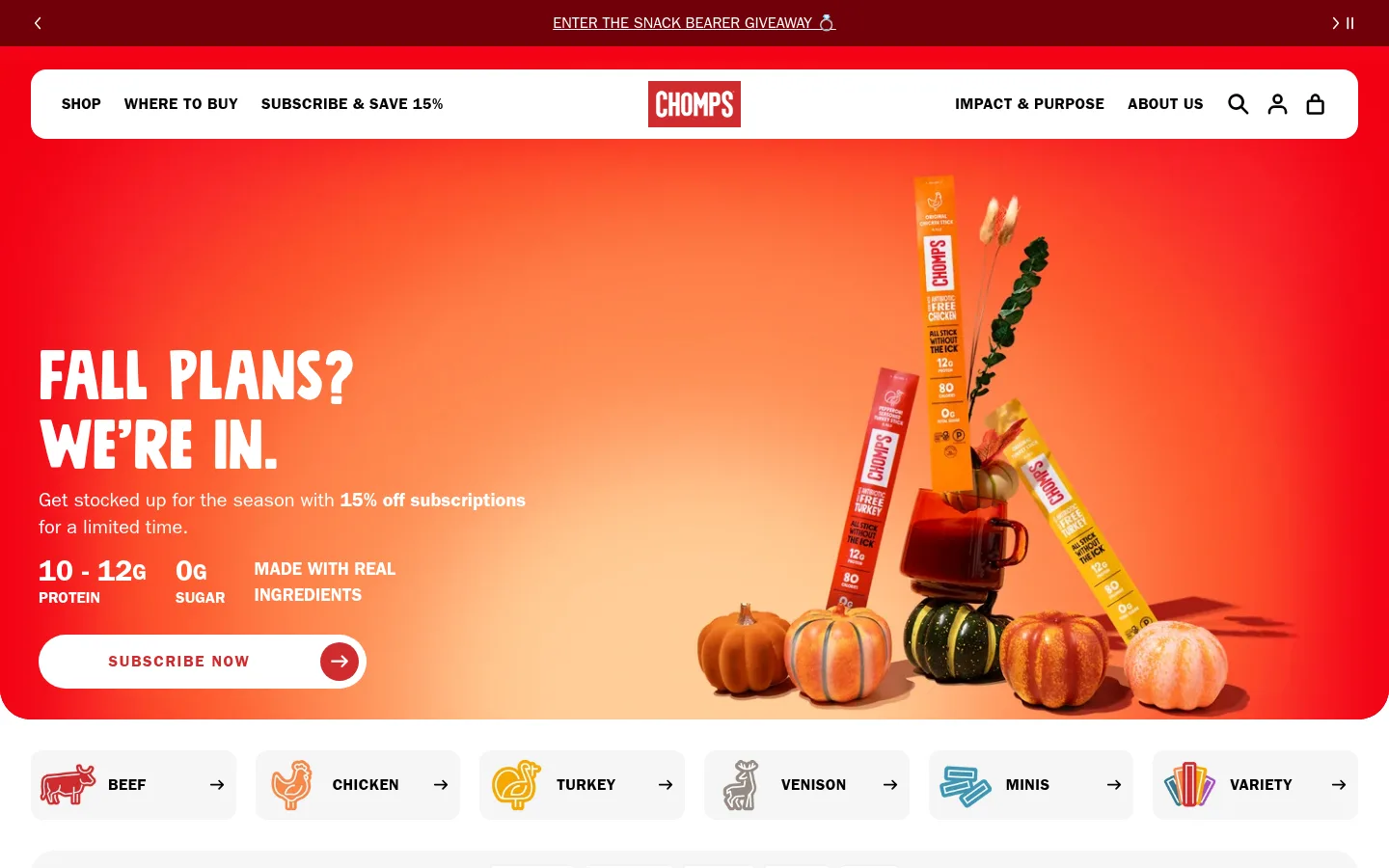
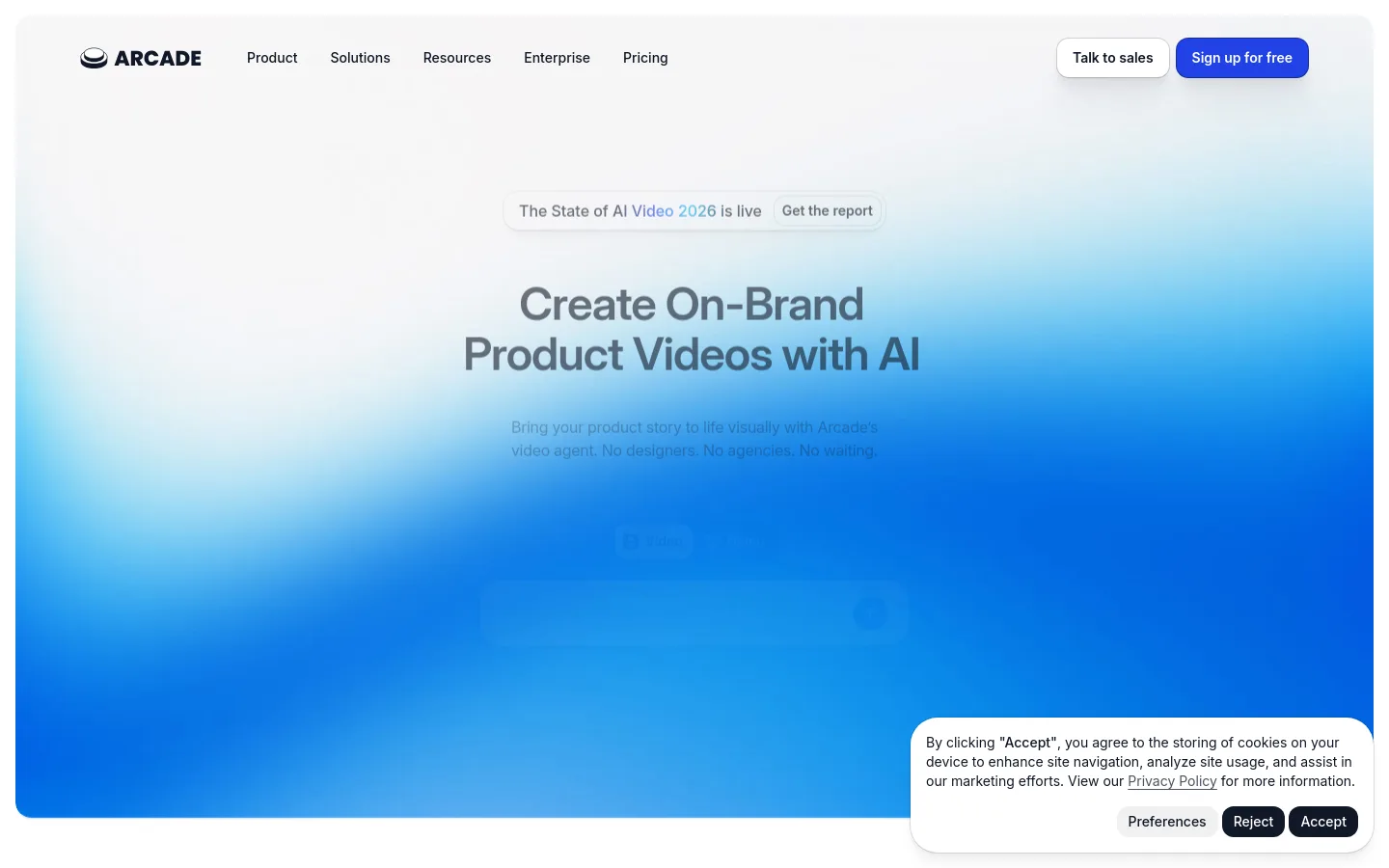
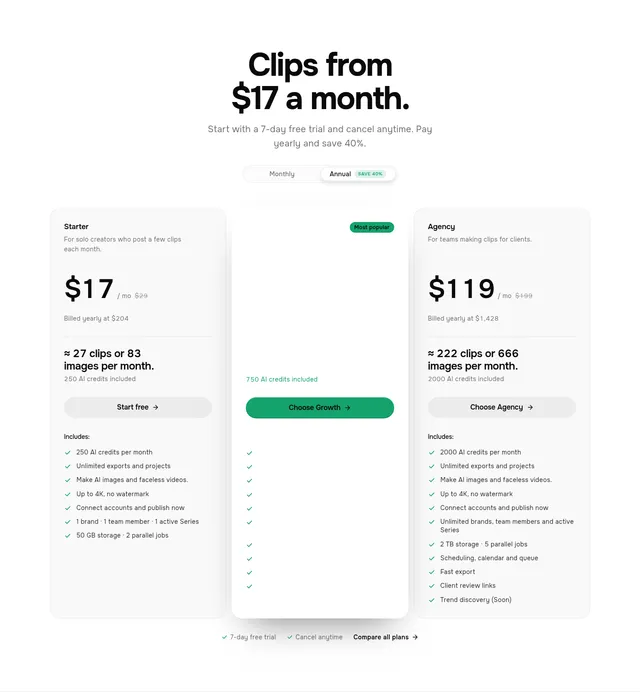
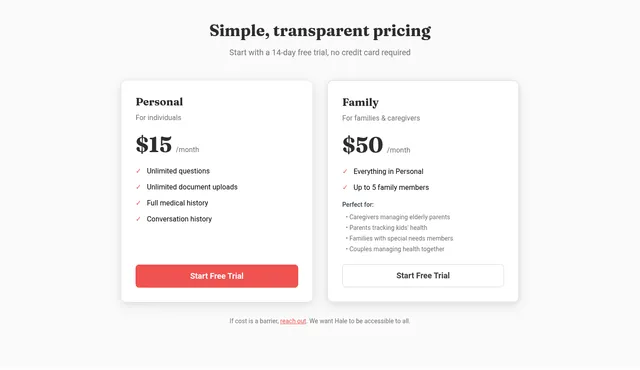
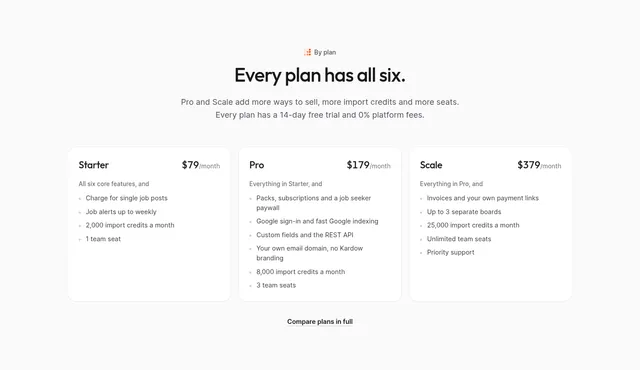
Real pricing pages behind the counts
Finding 2 of 4 · How they charge
Only 13 of 535 pages charge per user.
The 535 are the pricing pages we could read; 252 of them sell usage credits (you pay as you use the tool).
The 535 pricing pages we could read, one tile each
- Usage credits: 252 (47.1%). You buy a bundle of credits and spend them as you use the tool. Includes 3 pages that sell both.
- Per user: 13 (2.4%). You pay for each person on your team. Includes the same 3 pages that sell both (outlined).
- Neither: 273.
252 + 13 + 273 = 538, not 535: the 3 pages that sell both are counted in both groups. Without the overlap: 249 credits only, 3 both, 10 per user only, 273 neither = 535.
Surveys and blogs say per-user pricing still dominates (“about 58% of SaaS products”, a blog statistic of unclear method). These pages almost never do. The share selling usage credits agrees with Schematic’s 39–47% of AI companies’ pricing pages; it is not new.
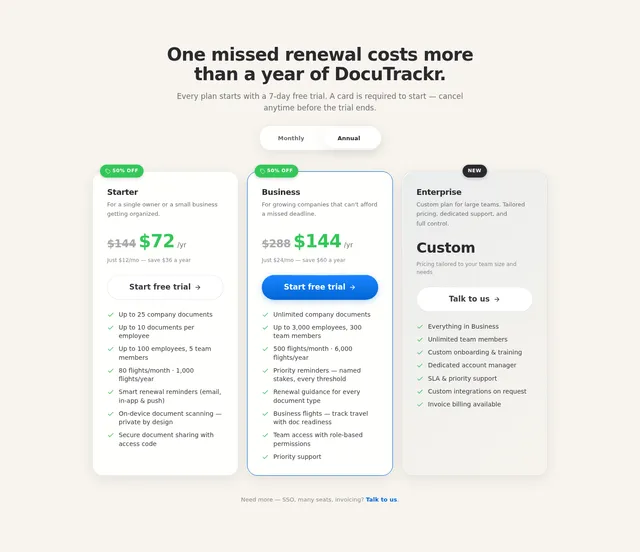
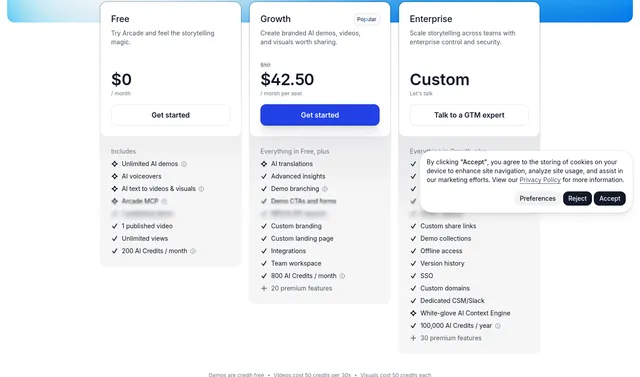
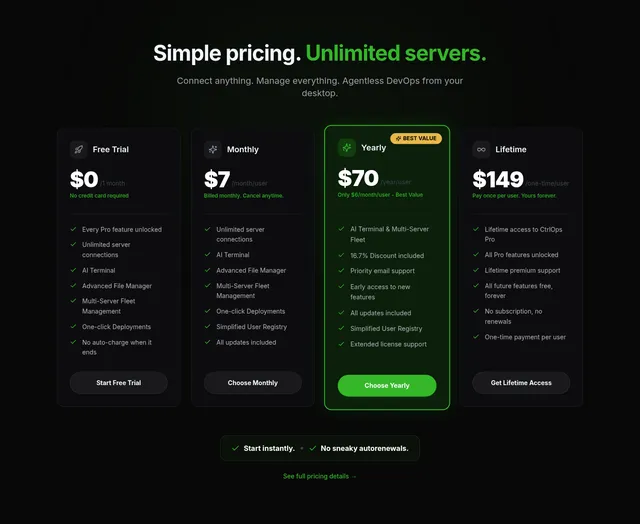
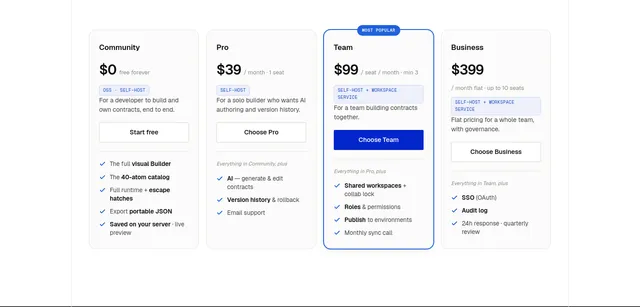
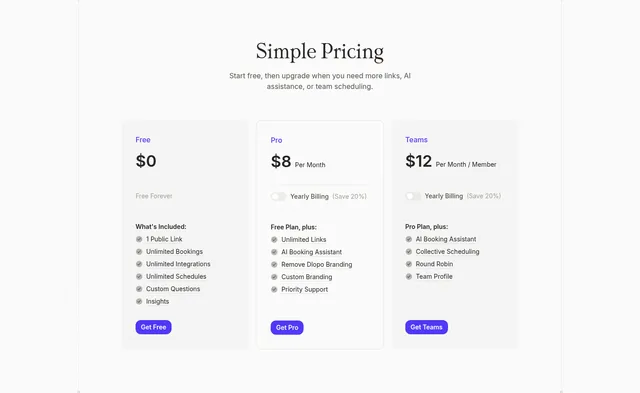
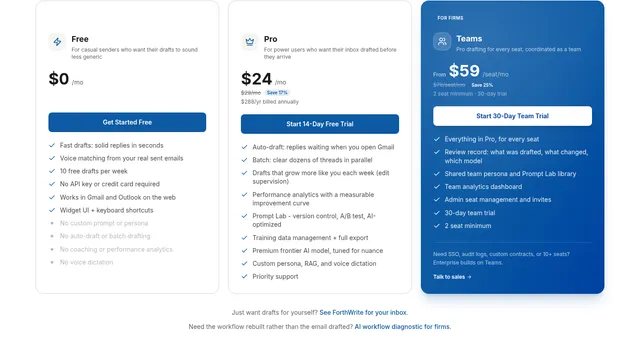
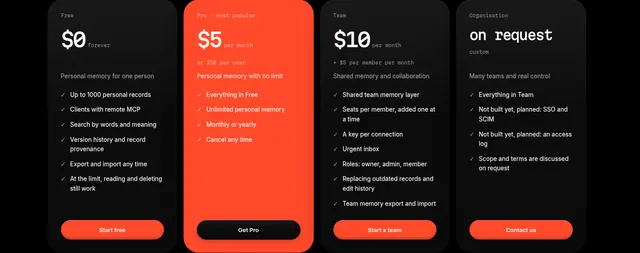
6 of the 13 pages that charge per user
WHAT TO DO WITH THIS
Planning to charge per user? Almost no one here does.
Finding 3 of 4 · What it costs
The cheapest paid plan is about $12 a month.
Median across 474 pricing pages; benchmark surveys (CostBench, Toolradar) say $19–25.
Each block is one pricing page, placed by its cheapest paid monthly plan in US dollars.
CostBench (1,925 products) reports a $25 median and Toolradar $19. Their sets are broader and more established; our sample is indie-heavy, which is the likely reason.
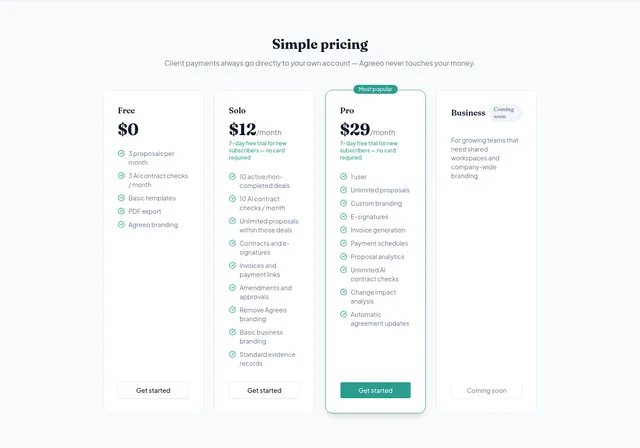
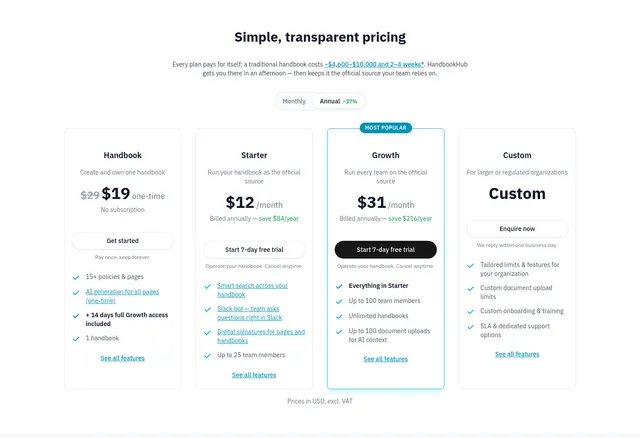
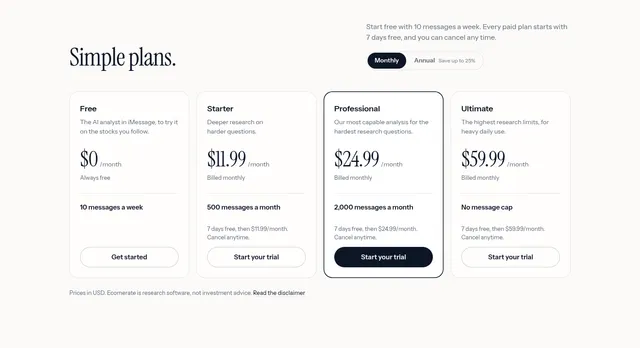
Three real sections whose cheapest paid plan sits at the median: agreeotech.com $12, handbookhub.com $12, ecomerate.com $11.99.
WHAT TO DO WITH THIS
Charging $19+ for your cheapest paid plan? You’re pricier than 64% of this sample.
Finding 4 of 4 · The same banner
12 sites show the same
“32 spots left” banner.
Identical “Limited Offer · 32 spots left” text on 12 of 882 pricing pages in our sample; we make no claim about intent.
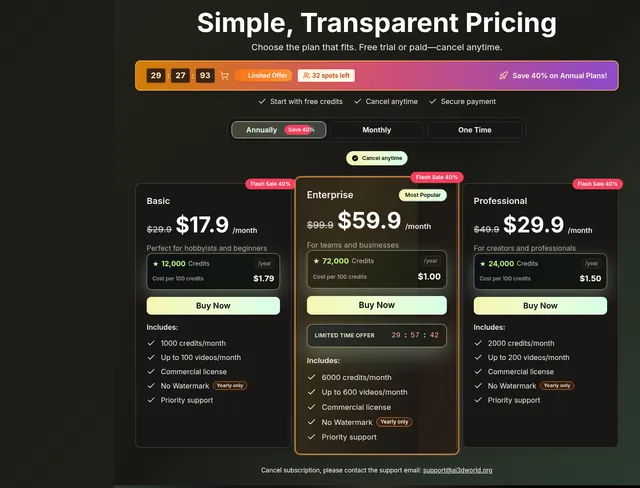
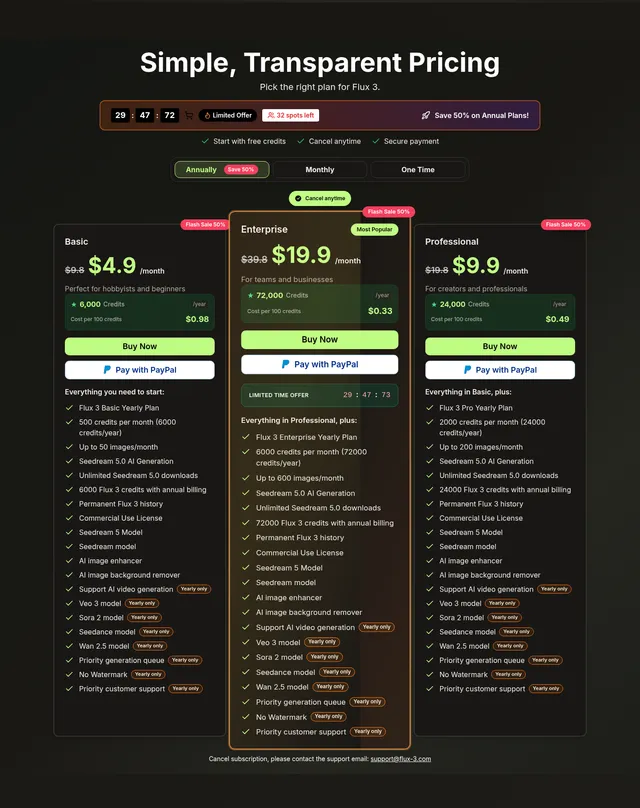
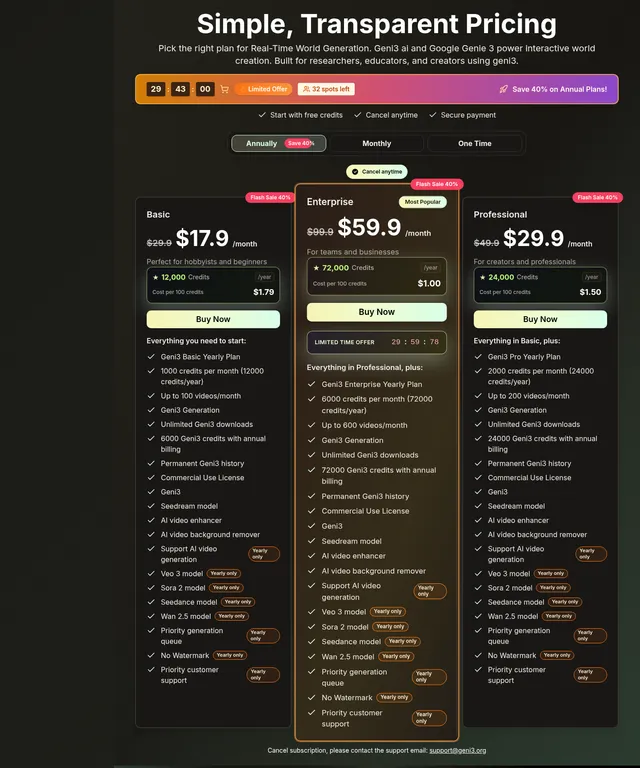
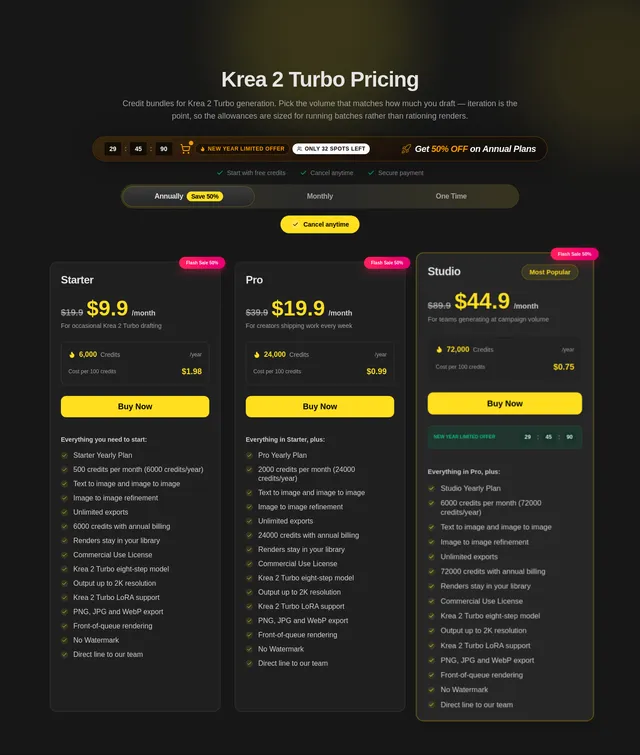
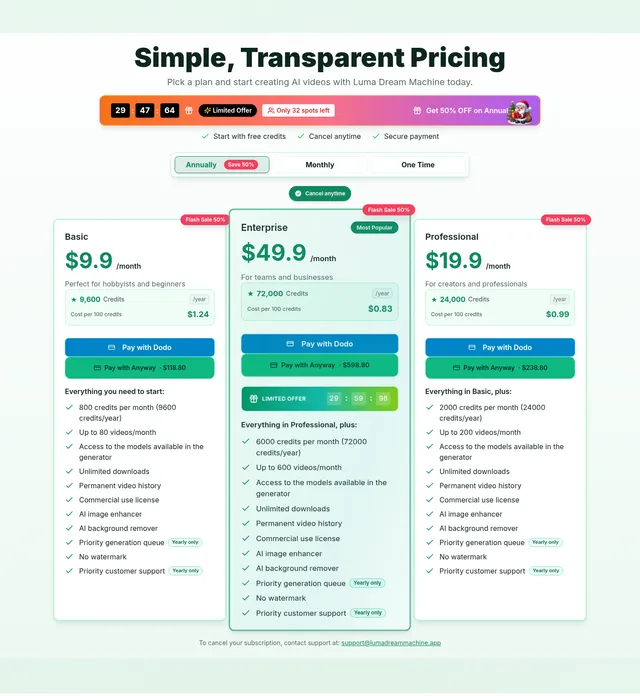
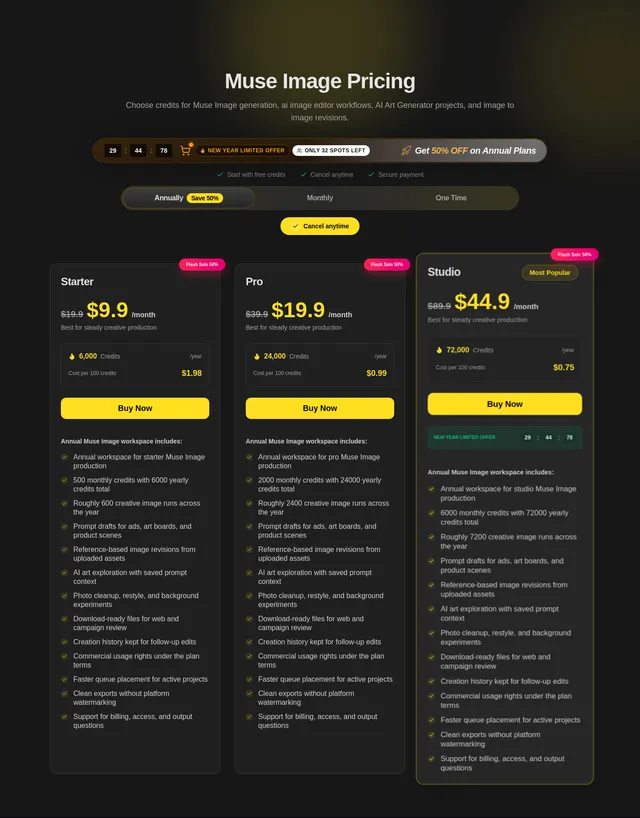
Six of the 12 pages, as captured; only the product name changes.
We found no earlier public count of one copied countdown string across sites in our searches.
WHAT TO DO WITH THIS
Drop the banner; a dozen other sites run it.
MethodWhat was measured, on whom, and how sure we are
Population
882 SaaS pricing sections, one per company, captured by UXXRAY’s crawler between 9 August 2026 and 9 November 2026 (median capture 28 October 2026), desktop. Where a company had several pricing sections we kept one: a plan-table section first, then the home page, then the lowest funnel step. 15 duplicate companies (identical section text on two domains) were merged.
Selection skew
These are sites UXXRAY’s crawler walked: modern SaaS, many small and indie tools, few enterprise vendors. About four in five captured sites are SaaS and about one in seven is a .ai domain. This is not a sample of all SaaS, and every claim on this page names this population.
Rules
Deterministic detectors over the stored page (Roentgen 1.37.0), no judgement calls: a plan card is priced per seat if it says user, member or editor; it sells credits if it names a number of credits; a trial length counts only if the section states an N-day free trial (money-back guarantees, retention windows and add-on trials are excluded). When a rule cannot decide, the answer is blank, never a guess.
Not in the counts
Trial length: 43 more sections offer a free trial without stating its length. Charging model: 347 of 882 sections have a plan set we could not read. Entry price: 408 of 882 have no USD monthly plan card. Countdown: every section was searched for the exact phrase.
Checked by hand
A person read a sample of the detector’s hits and misses against the captured page: trial length 30 of 30 correct, charging model 44 of 44, entry price 30 of 30, the countdown 12 of 12. Each figure was re-derived by an independent script. Every finding was split by domain into two halves and agreed in both (the 14-day count moves most: 10 of 52 against 16 of 51).
What this does not say
The trial gap with PulseSignal may be the population, not a shift: theirs is broad SaaS, ours has many small and indie tools. We quote counts, and a ratio only where the counts are on the page. The countdown finding is that the text is identical; we make no claim about intent. Counting every pricing section per company instead of one gives 54 companies at 7 days and 34 at 14 days (of 112), so the size of the lead depends on the counting rule. 43 more sections offer a free trial without stating its length; if all 43 were 14 days, 14 would lead 69 to 53, so the ranking holds only for sections that state a length.
Sources compared
- PulseSignal: trial and free-plan census of pricing pages
- ChartMogul SaaS conversion report (self-reported survey of 200)
- Mean CEO: seat-based statistics 2026
- Kyle Poyar: 2025 State of B2B Monetization (survey)
- Schematic: AI pricing statistics (2,087 pricing pages)
- CostBench: software pricing findings 2026 Q3 (1,925 products)
- Toolradar: SaaS price points 2026
DataEvery number on this page
Counts, denominators and what each counts. Population: 882 pricing sections, one per company, 9 August to 9 November 2026.
| Measure | Count | Out of | Not in count | What it counts |
|---|---|---|---|---|
| Pricing sections studied | 882 | 882 | 0 | one per company, duplicates merged (15 removed) |
| Trial length stated: 3 days | 14 | 103 | 43 | sections stating an N-day free trial (43 more offer a trial, length not stated) |
| Trial length stated: 5 days | 1 | 103 | 43 | same |
| Trial length stated: 7 days | 53 (51.5% of 103) | 103 | 43 | same |
| Trial length stated: 14 days | 26 (25.2% of 103) | 103 | 43 | same |
| Trial length stated: 15 days | 1 | 103 | 43 | same |
| Trial length stated: 30 days | 8 | 103 | 43 | same |
| Usage credits (incl. 3 that also price per user) | 252 (47.1% of 535) | 535 | 347 | plan cards selling a number of credits (347: plan set not readable) |
| Per user (incl. 3 that also sell credits) | 13 (2.4% of 535) | 535 | 347 | plan cards priced per user, seat, member or editor |
| Neither | 273 | 535 | 347 | readable plan sets with neither |
| Median cheapest paid monthly plan | $11.99 | 474 | 408 | lowest non-zero USD price on a per-month plan card (408: no USD monthly plan card) |
| Cheapest paid plan under $19 | 305 (64.3% of 474) | 474 | 408 | same |
| Entry price above $100 (not drawn in Figure 3) | 10 | 474 | 408 | same |
| Identical “32 spots left” countdown | 12 | 882 | 0 | sections containing the exact phrase |
Your page
Run the same read on your own pricing page.
UXXRAY measures a live funnel from the page itself, with the same detectors used here.
Scan your pricing page