Page design examples
2,513 pages captured and categorized, from 2,526 funnels x-rayed.
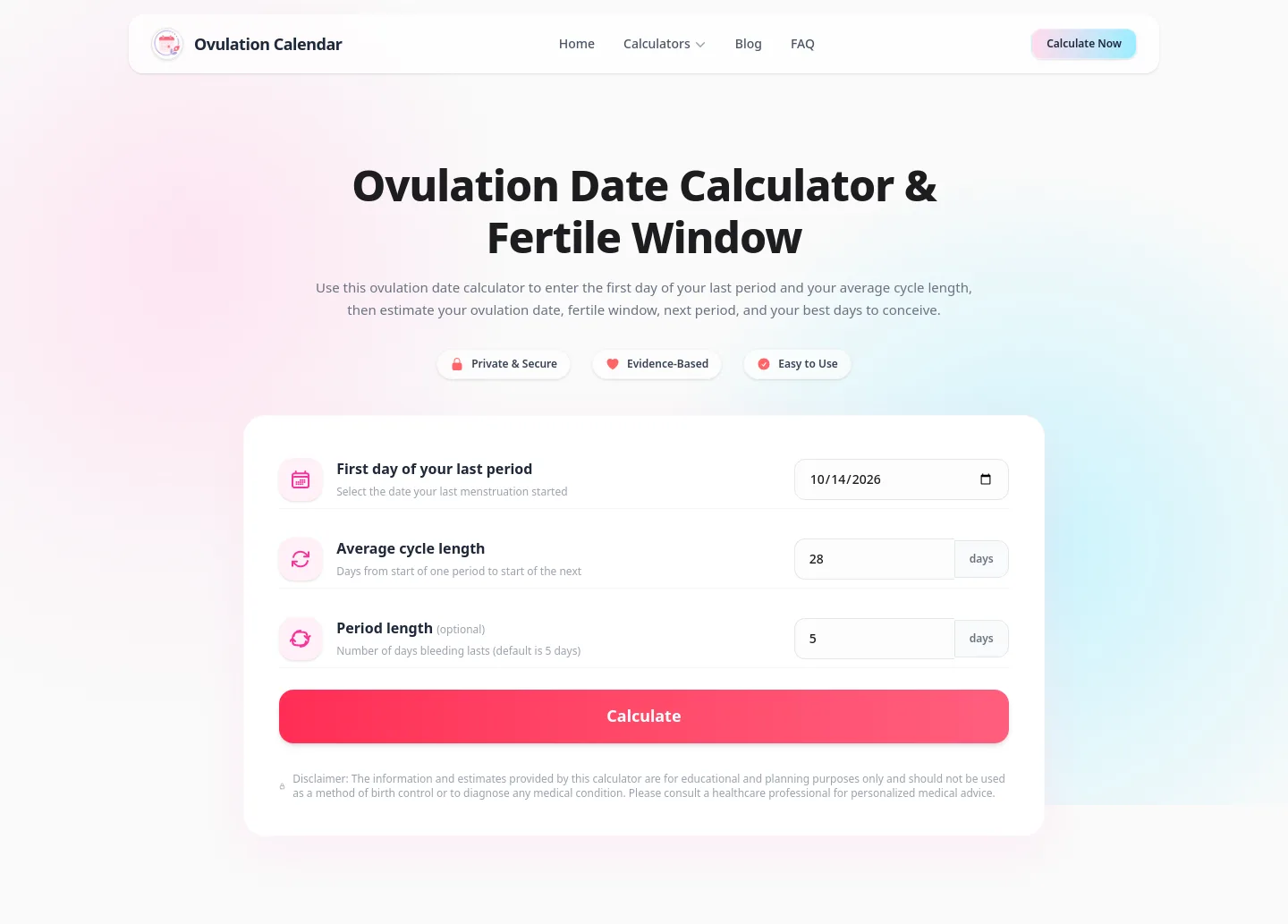


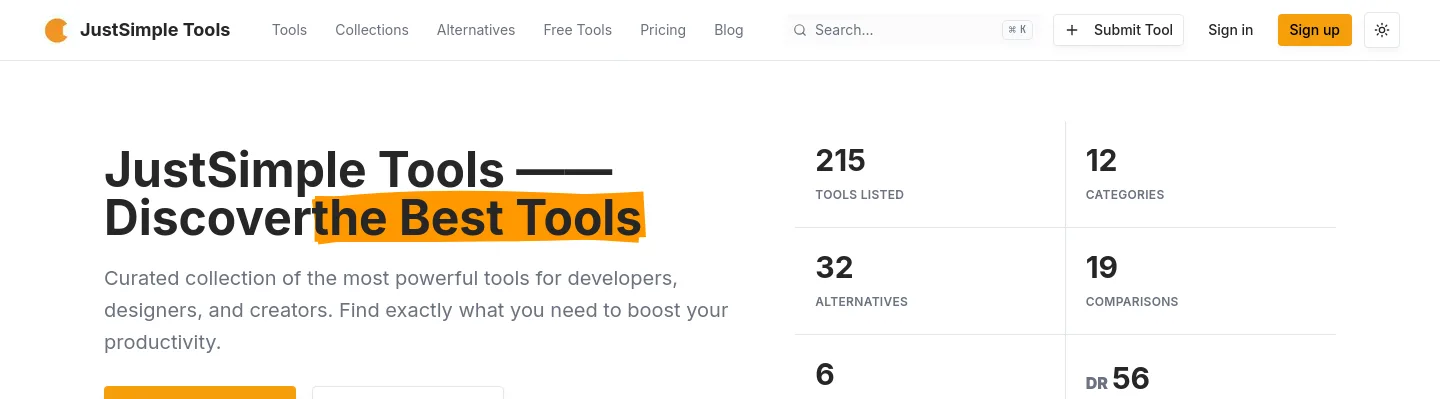


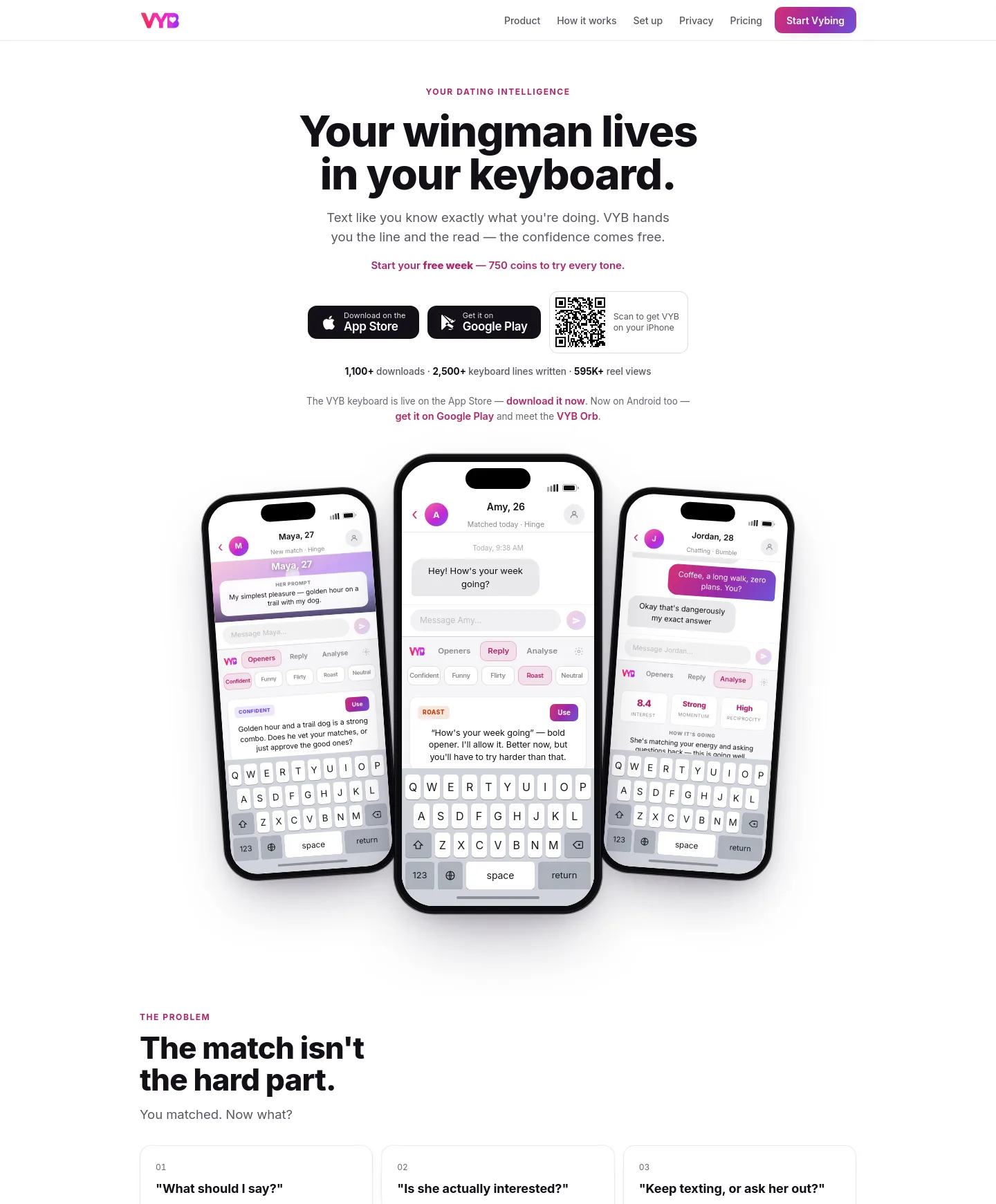

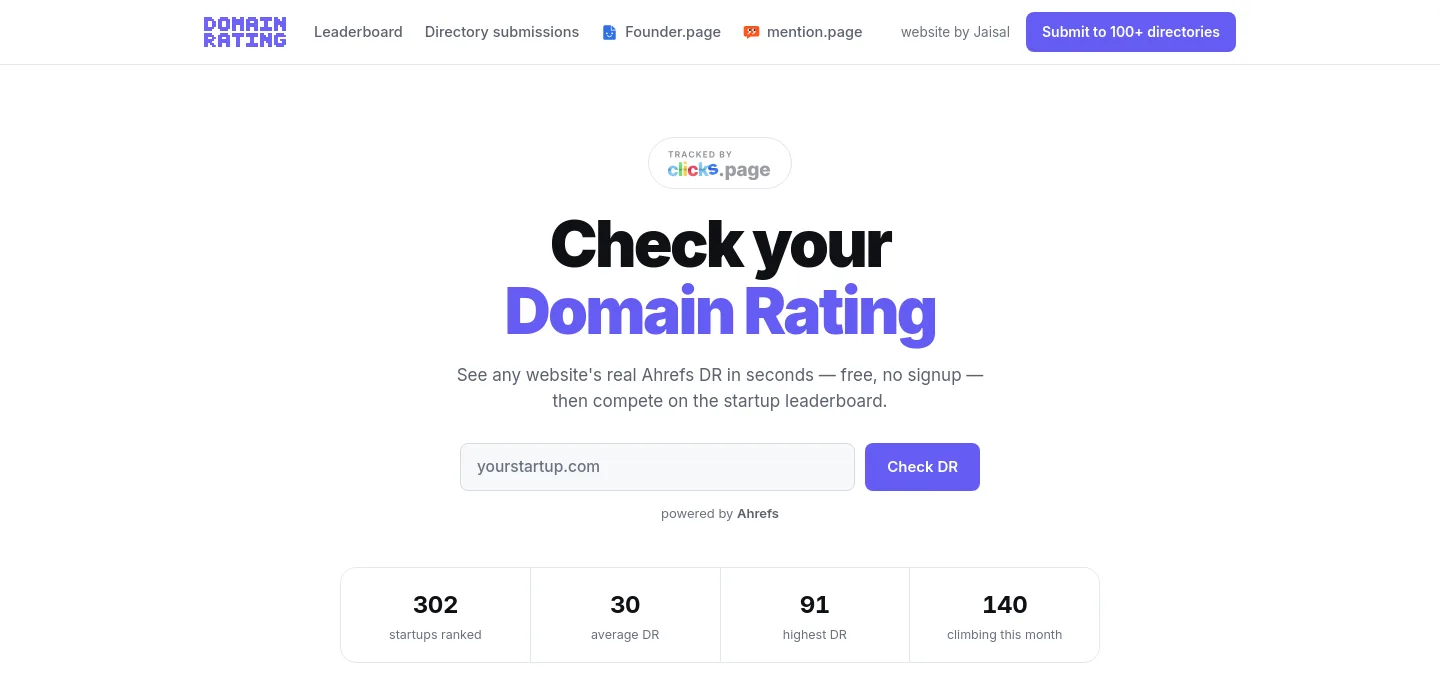
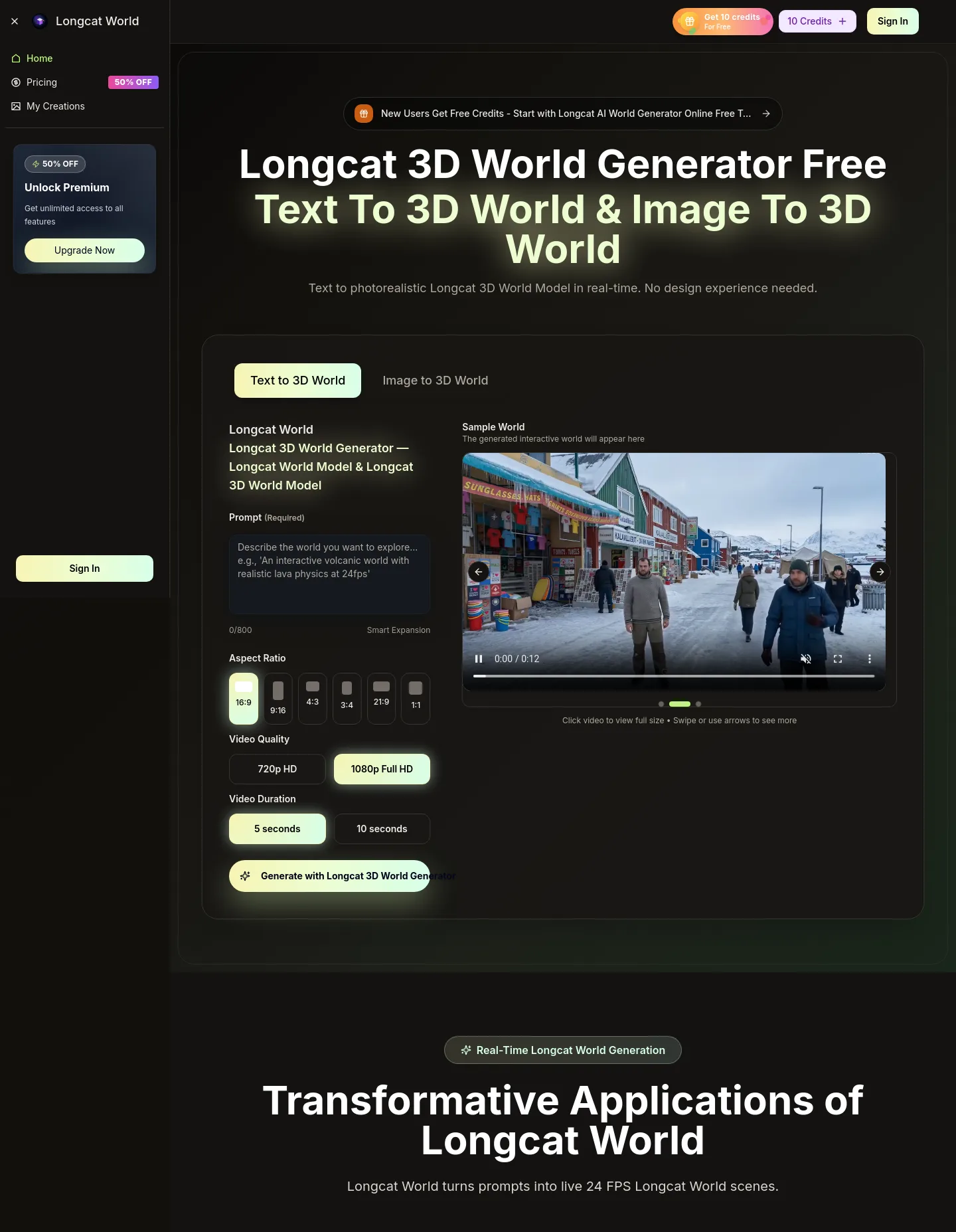

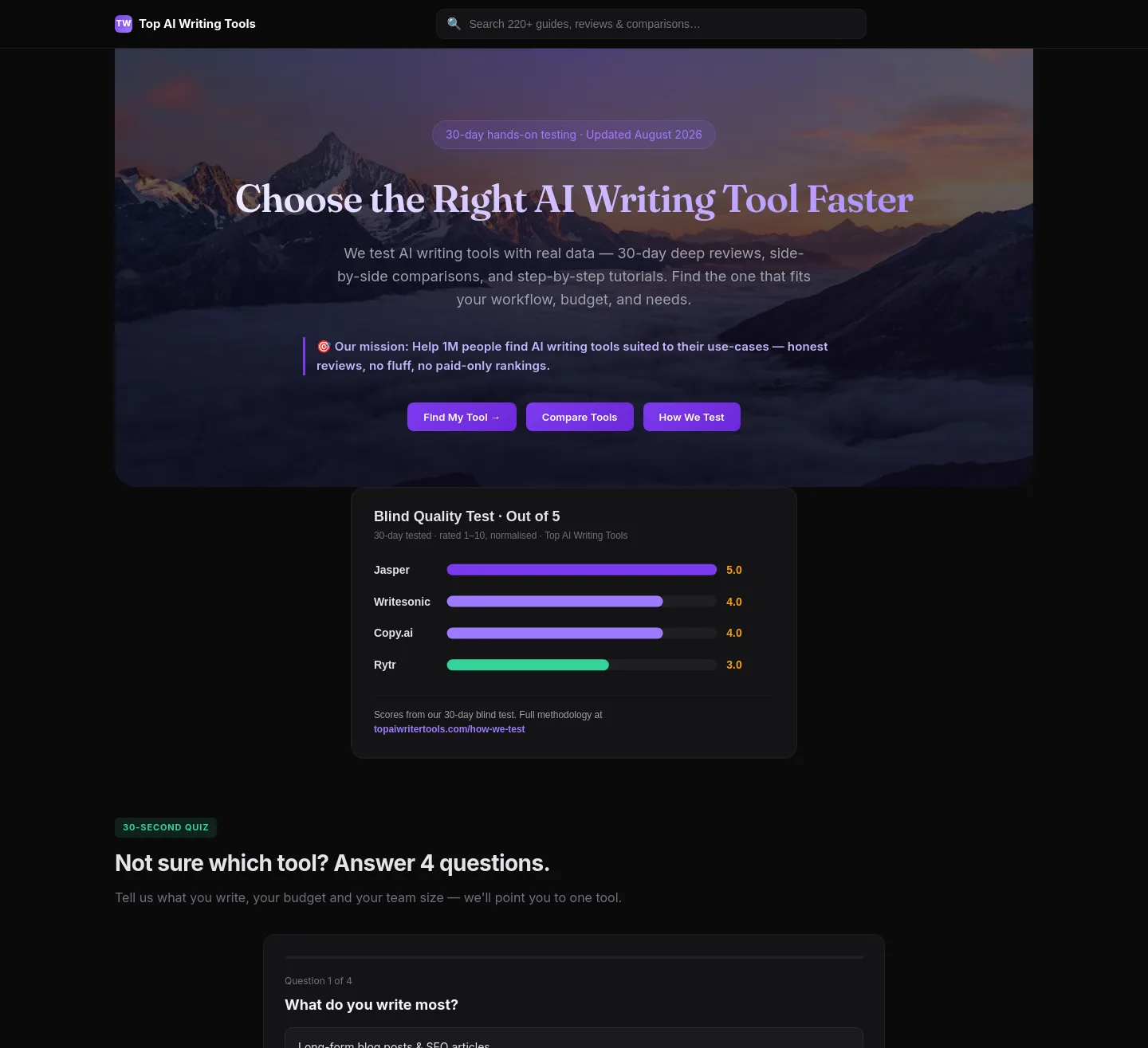

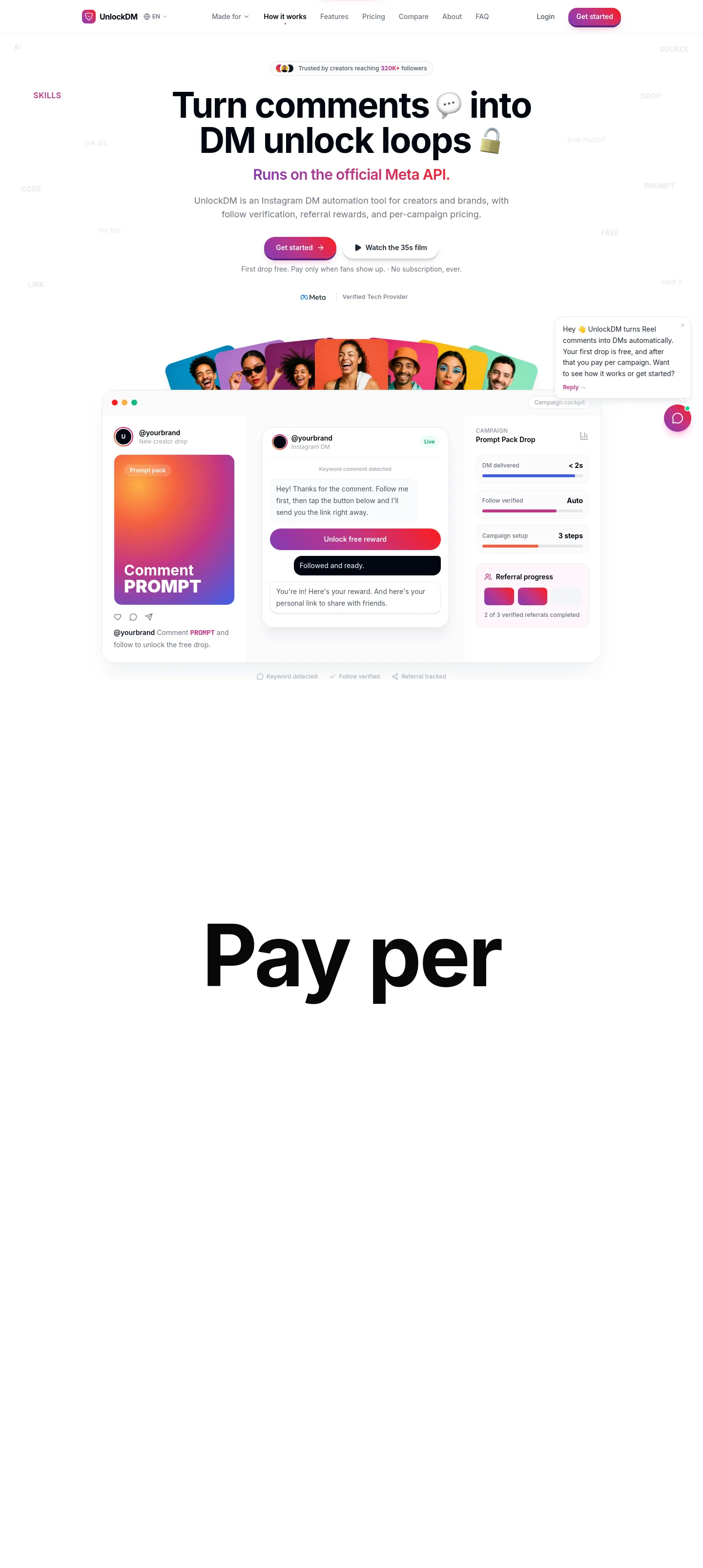
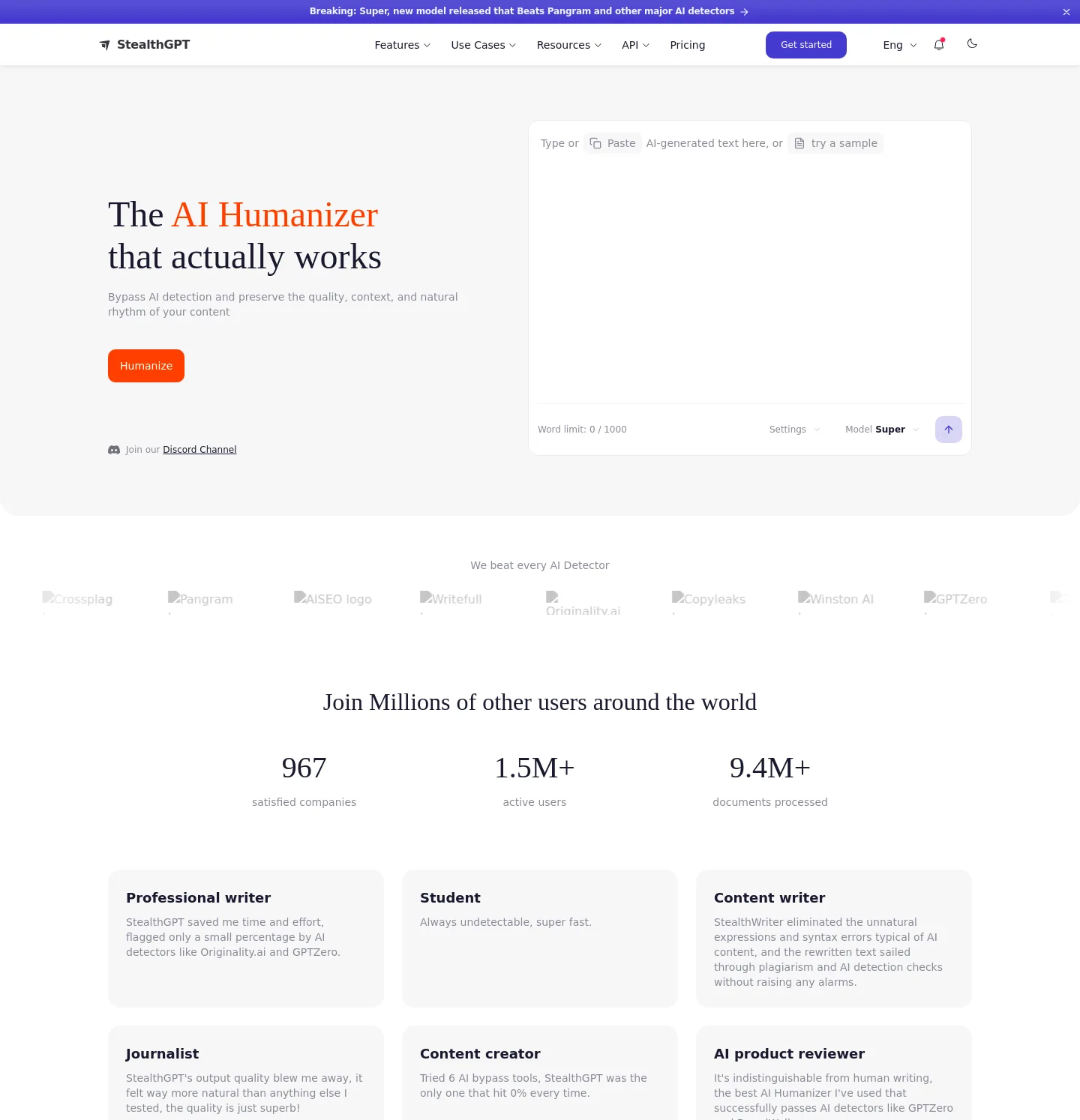
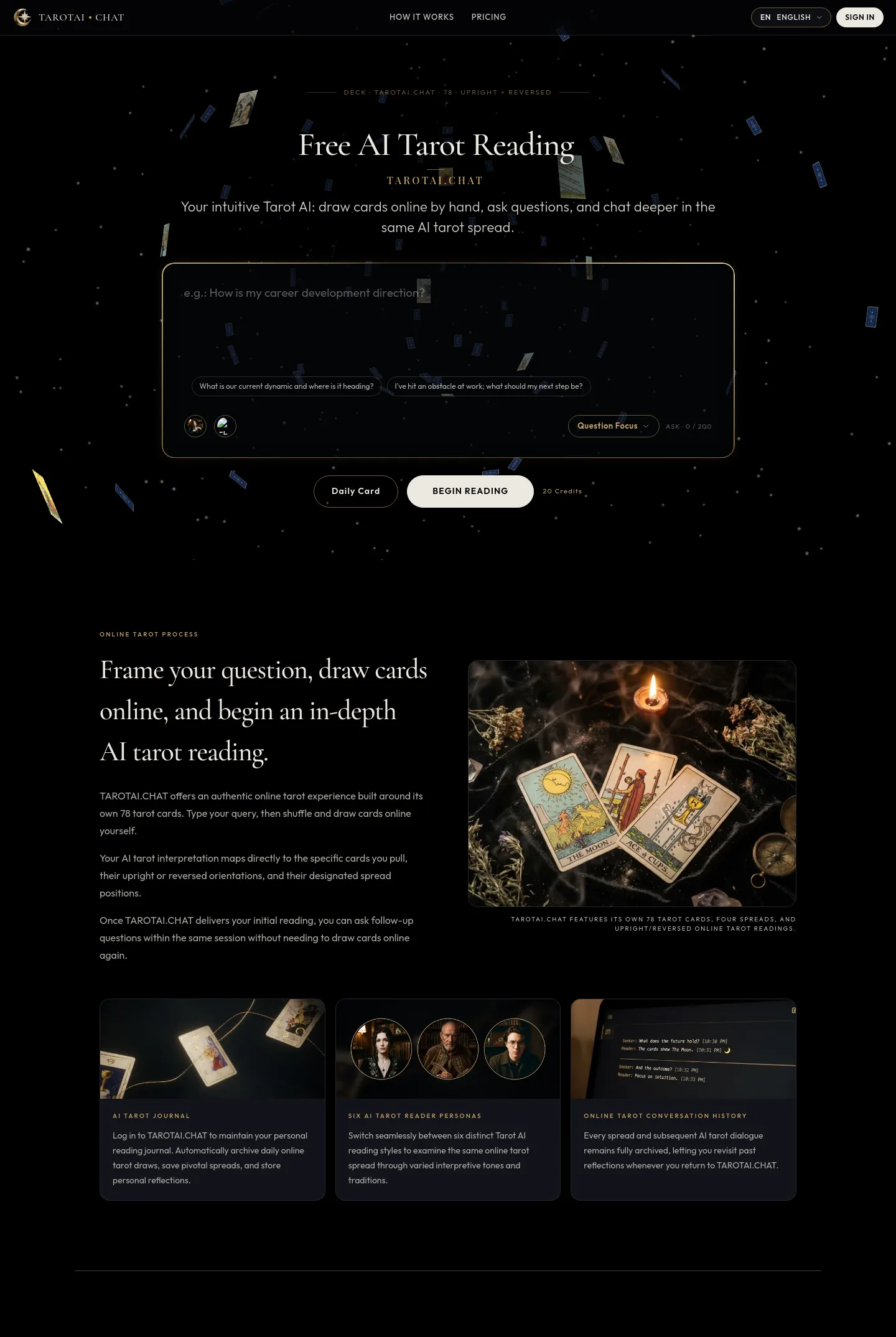
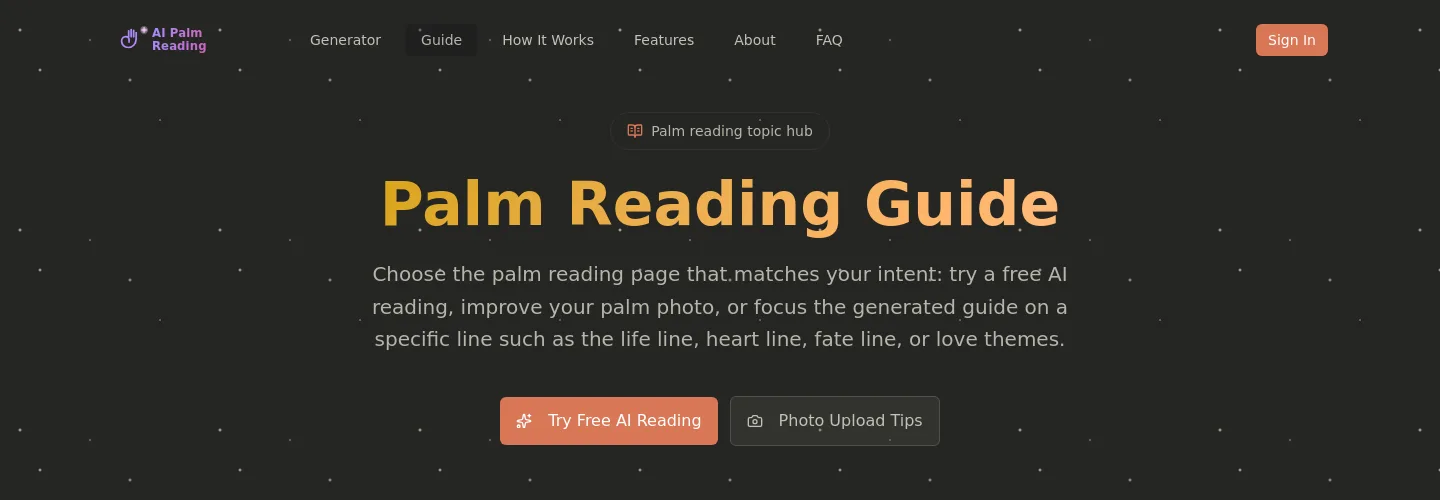

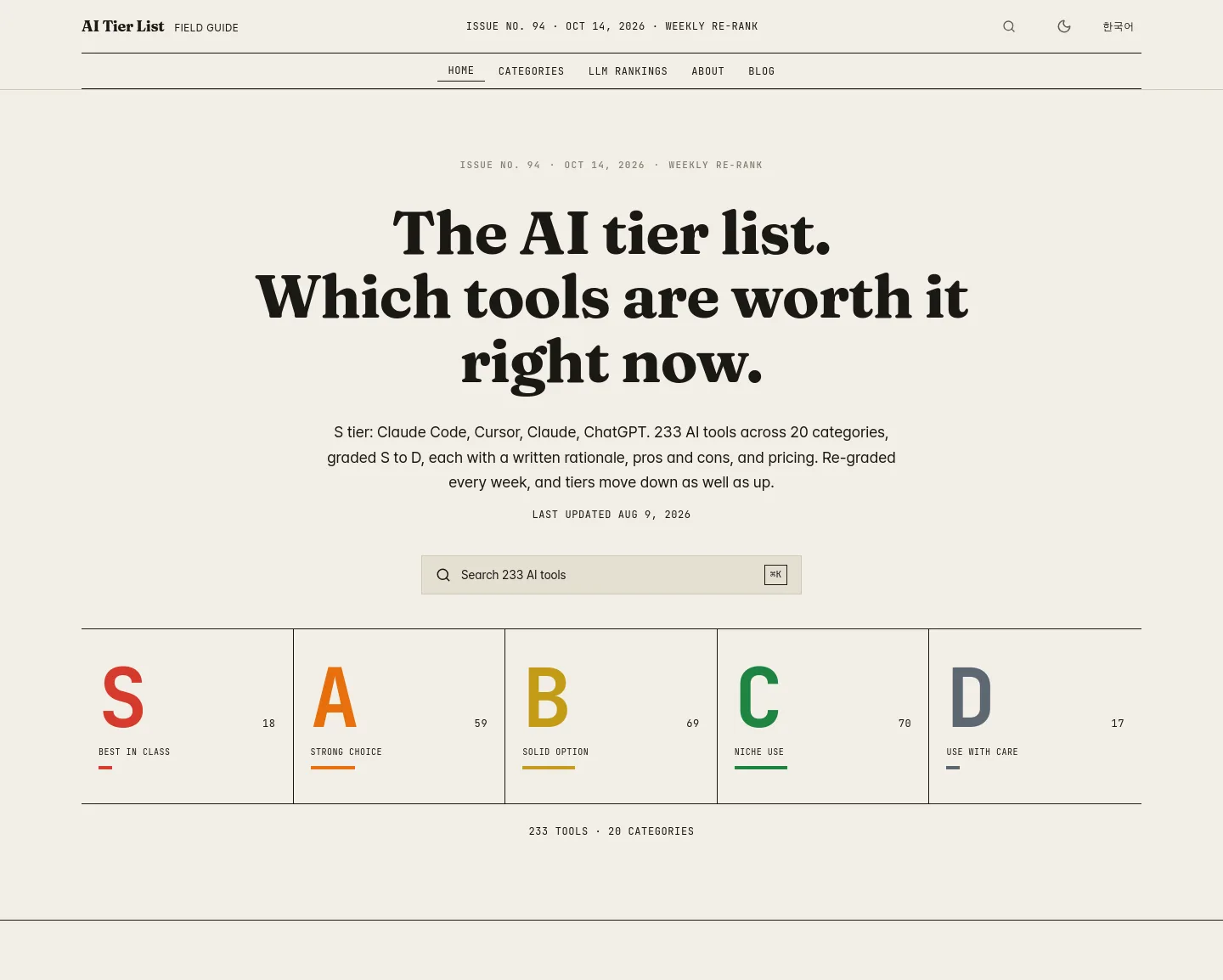
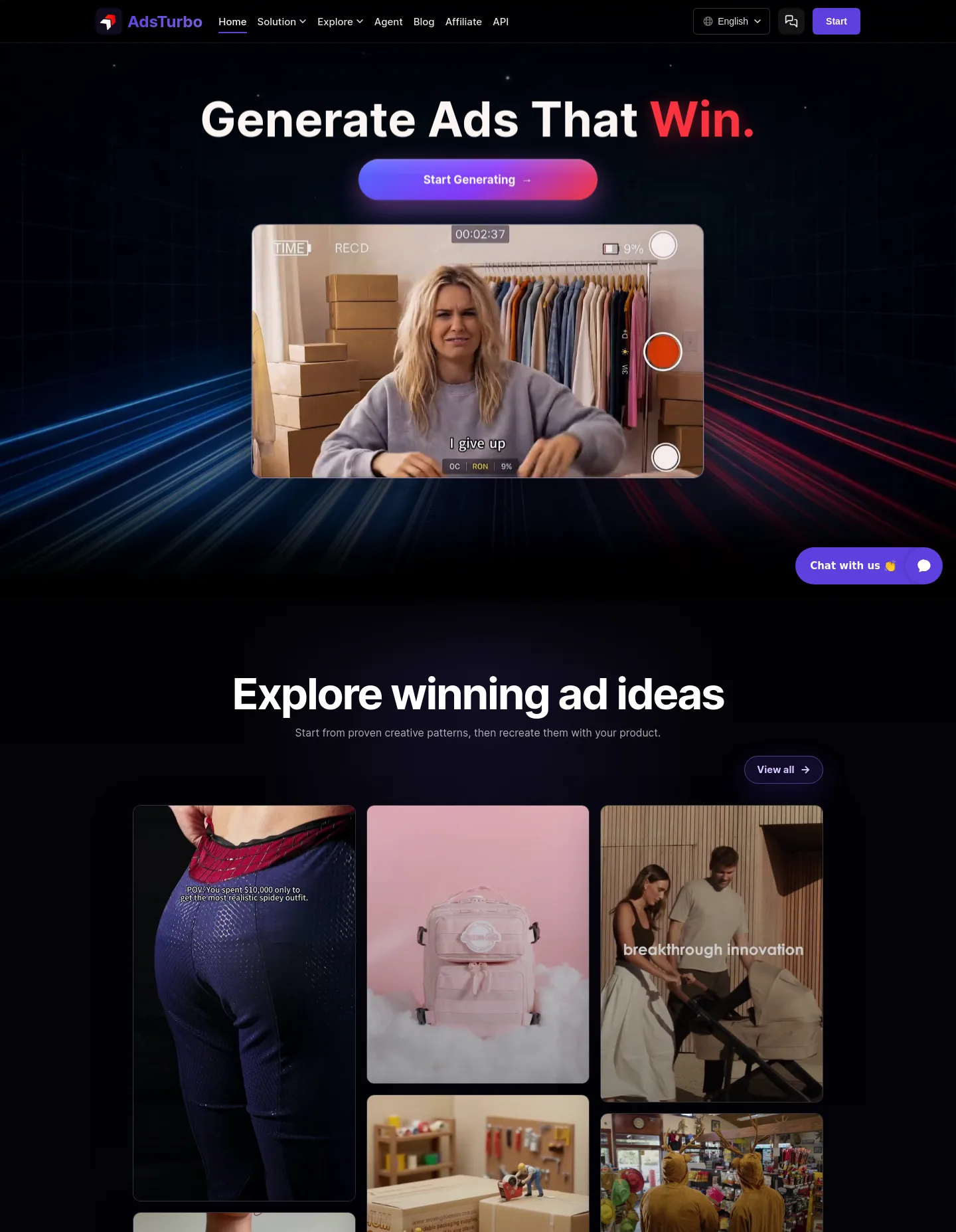


No pages have been captured yet — check back as the corpus grows.
This shelf holds 2,513 real landing pages, each the entry page of a funnel that UXXRAY captured at 1440px and measured. UXXRAY has x-rayed 2,526 funnels in total. Each page carries the type of the funnel it belongs to. On this shelf: SaaS 1,742 (69%), E-commerce 248 (10%), Lead gen 10 (less than one percent), Affiliate 151 (6%), Content 362 (14%). Every share divides by the 2,513 pages shown. 483 of the 2,513 pages follow a recurring section order that the rules could name, across 8 page shapes; the rest are shown without a shape rather than given one. Every figure comes from the page’s own DOM and computed styles, with no AI judgment, and each card opens that page’s specimen page. The corpus is seeded from launch directories, so read these counts as what UXXRAY measured, not as a sample of the whole web.
The other two zooms: which play the whole funnel runs: Funnel designs; each band of the stack opened up: Section designs.
Method: every card is one captured page — the entry page of a funnel we crawled, screenshotted at 1440px and measured deterministically: no LLM, no opinion. Type is the funnel classification the crawler assigns from what the page sells. Shape is a second, narrower reading: each page is segmented into full-width bands, every band is classified into a section archetype (hero, logo wall, features, pricing, reviews, comparison, FAQ, CTA, footer…), and pages whose exact body-section sequence repeats across the corpus form a named shape. Of the 2040 section-mapped pages, 1629 reach the footer with a classifiable hero; 46 are still mid-crawl and 365 we could not cleanly read — both are shown here and simply carry no shape, never a guessed one. 593 more are structurally minimal (a hero and a CTA only) and never become a shape of their own. Scope: every funnel we have crawled, auto-updating. A shape's NAME is our label for a measured cluster; the membership is the fact.