Section design examples
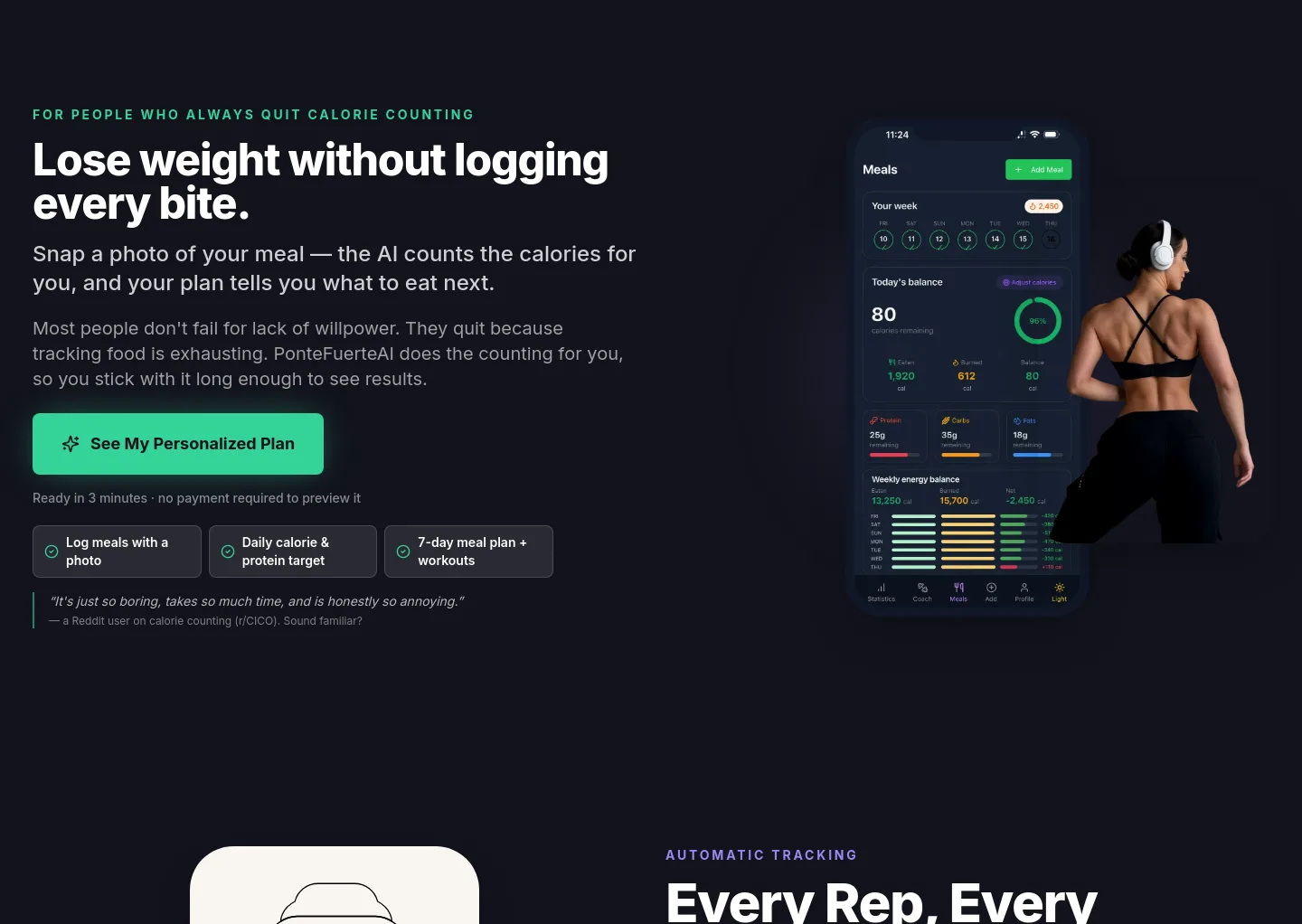
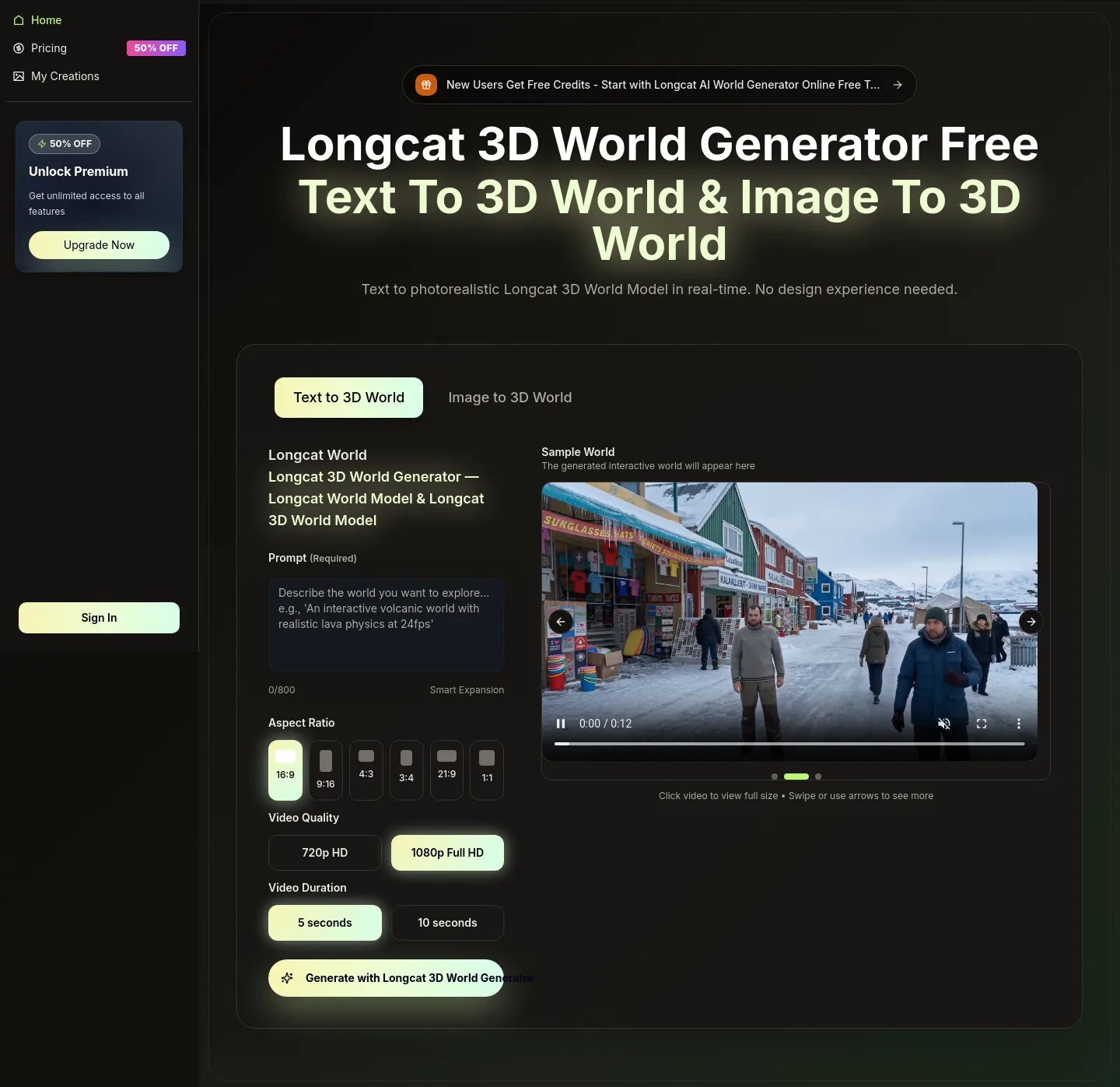
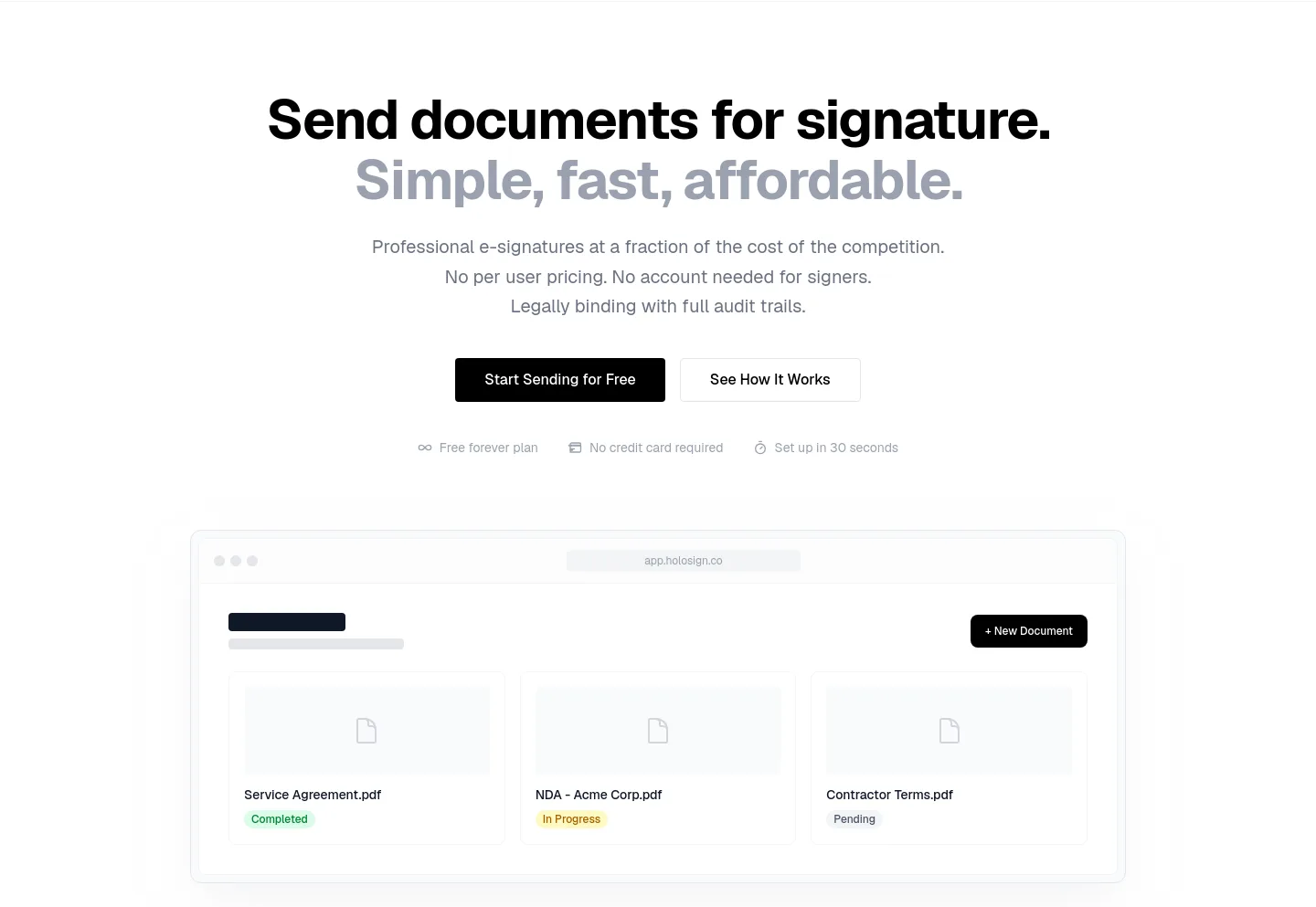
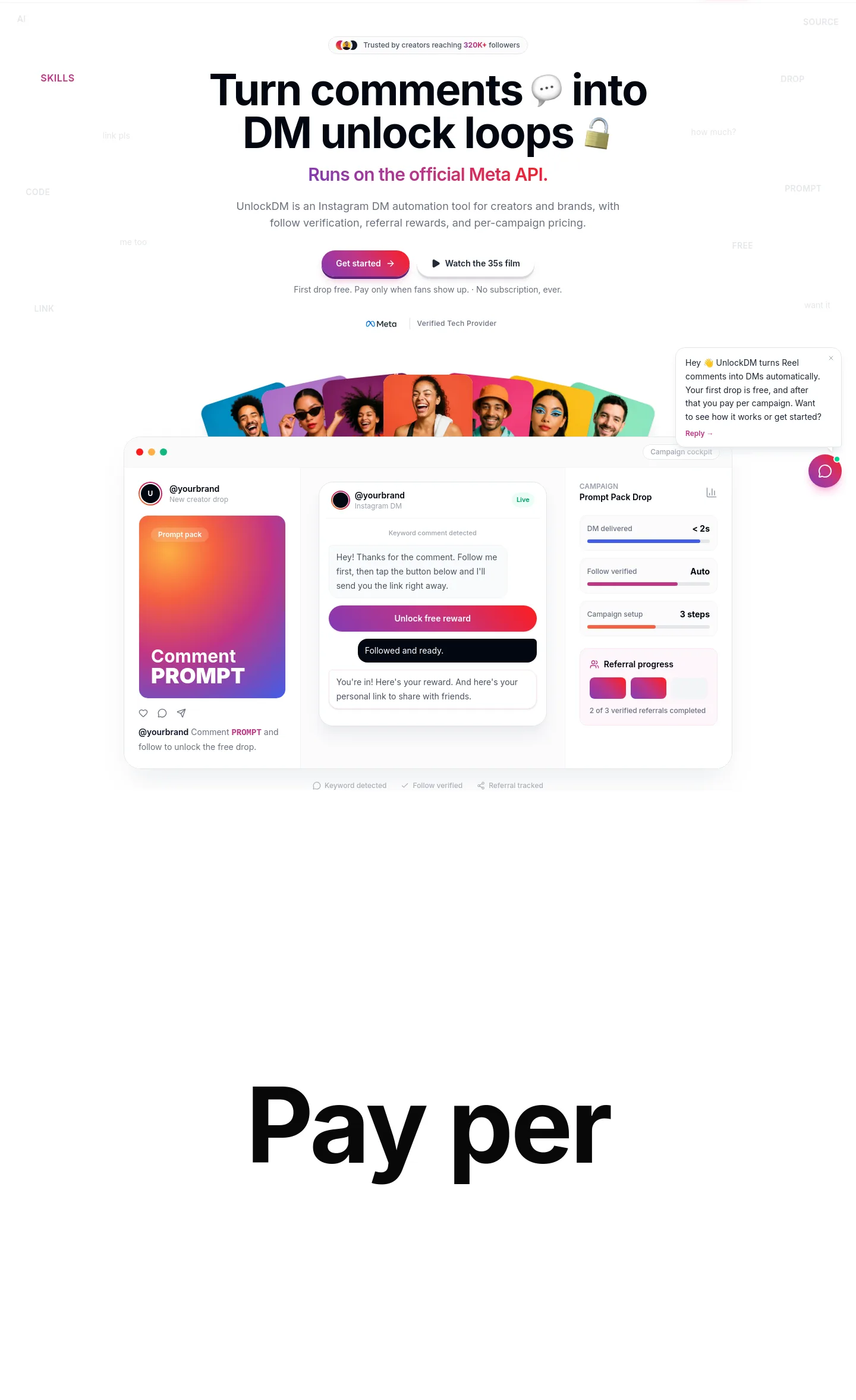
6,731 sections captured and categorized, from 2,526 funnels x-rayed.
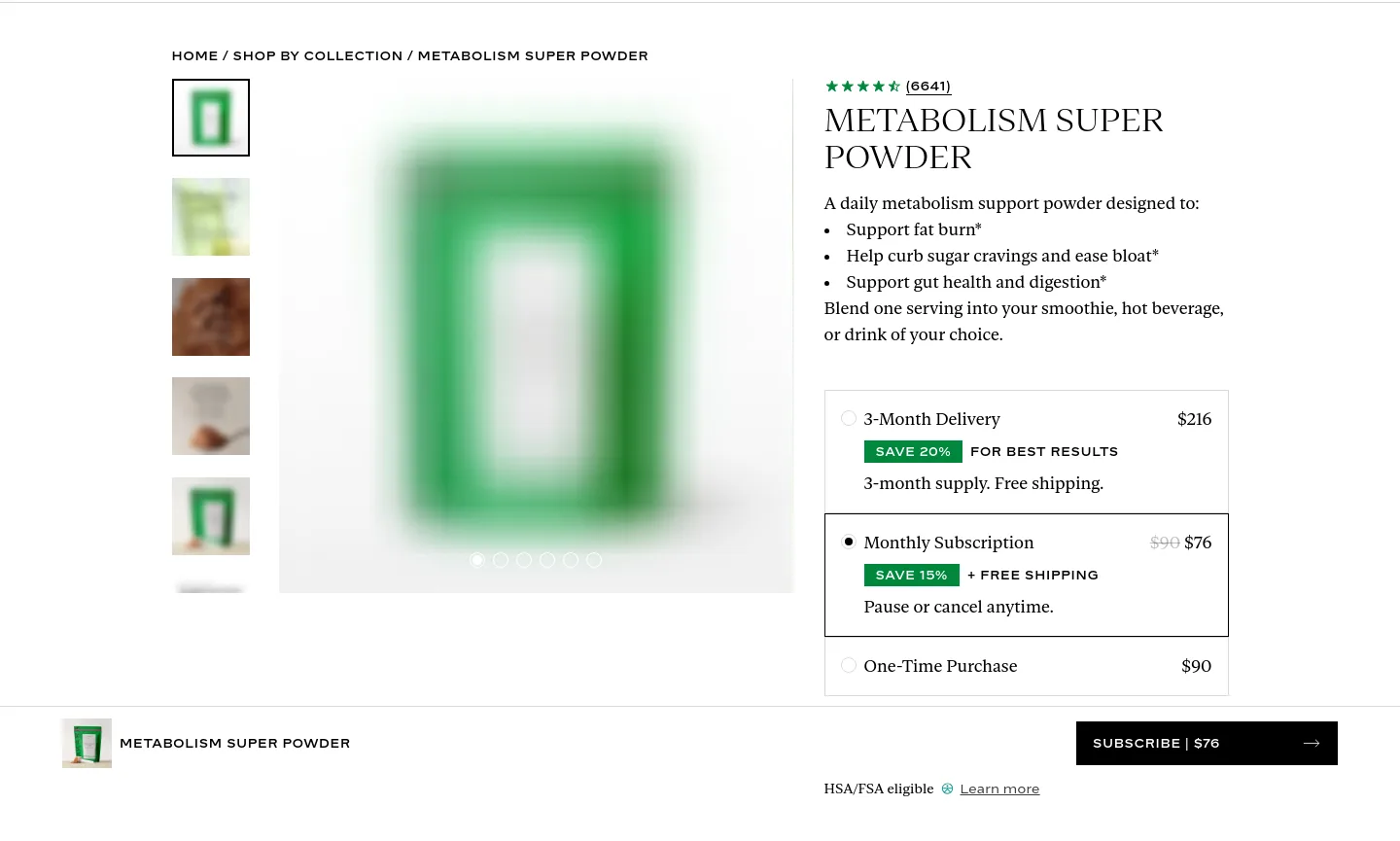

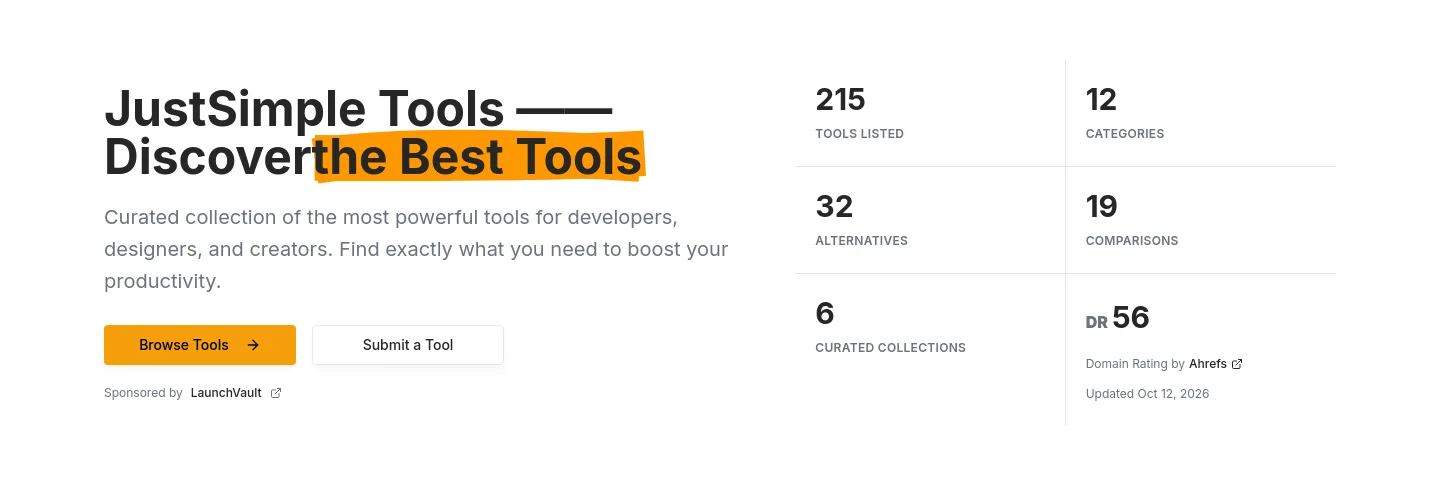

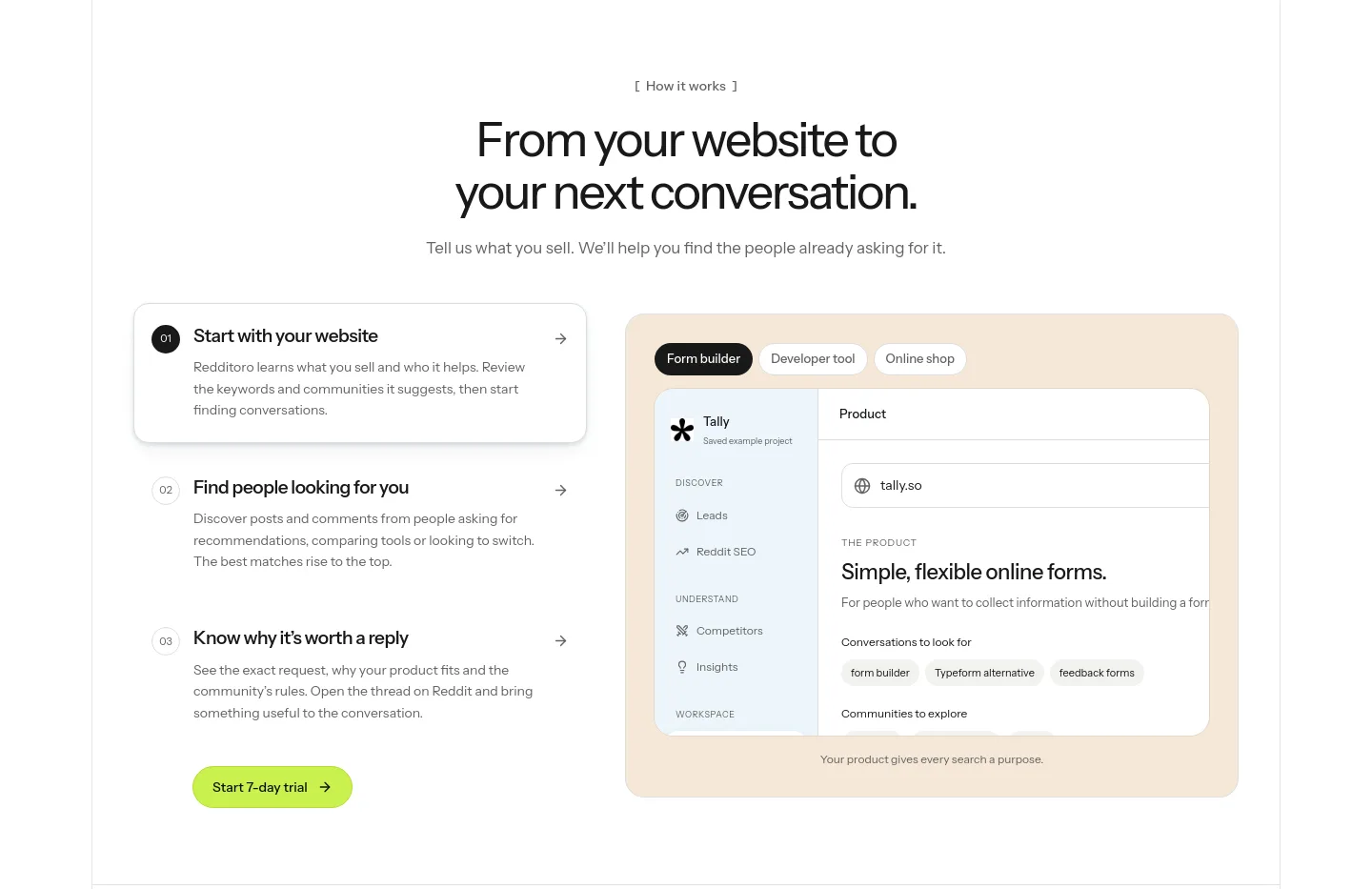
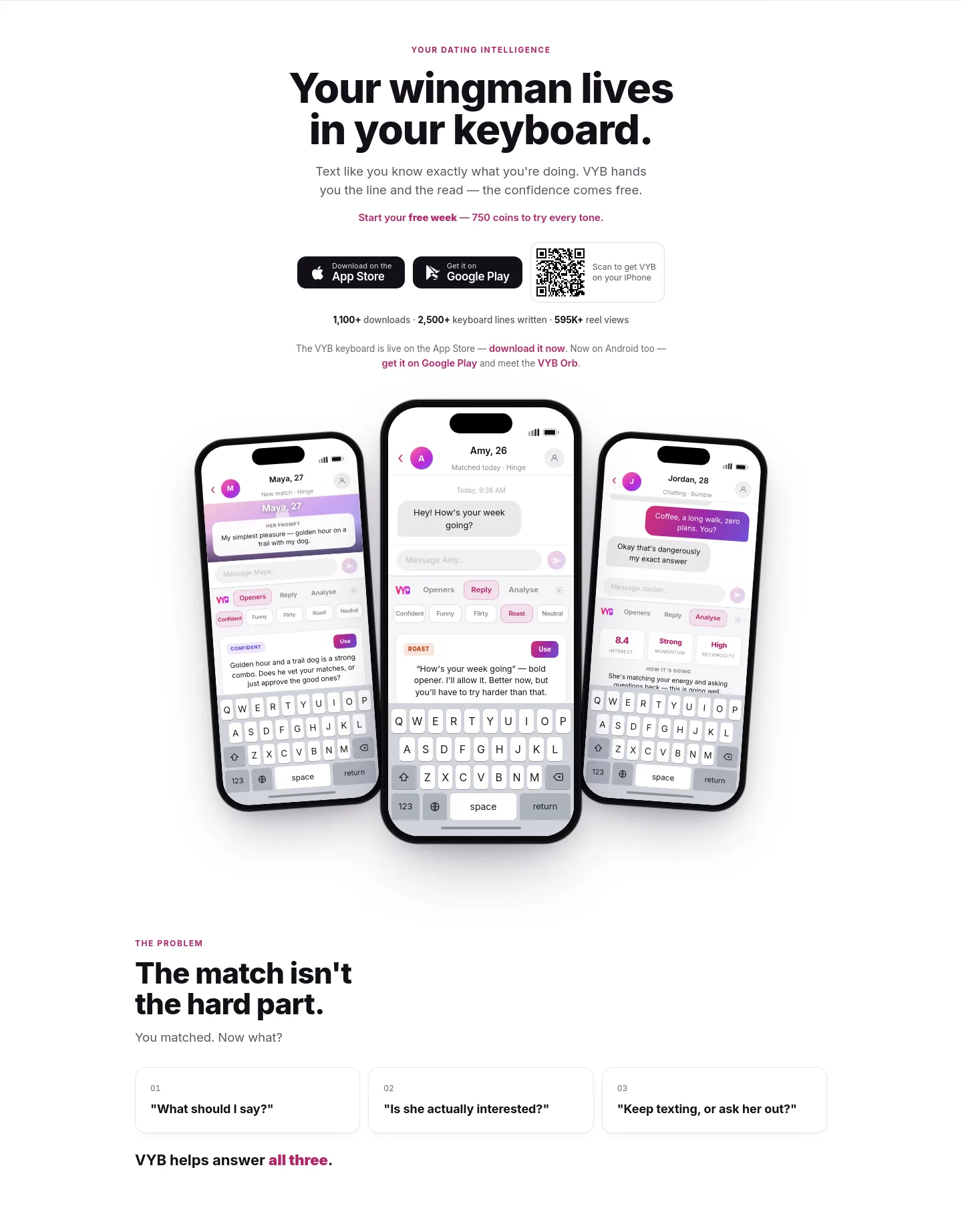


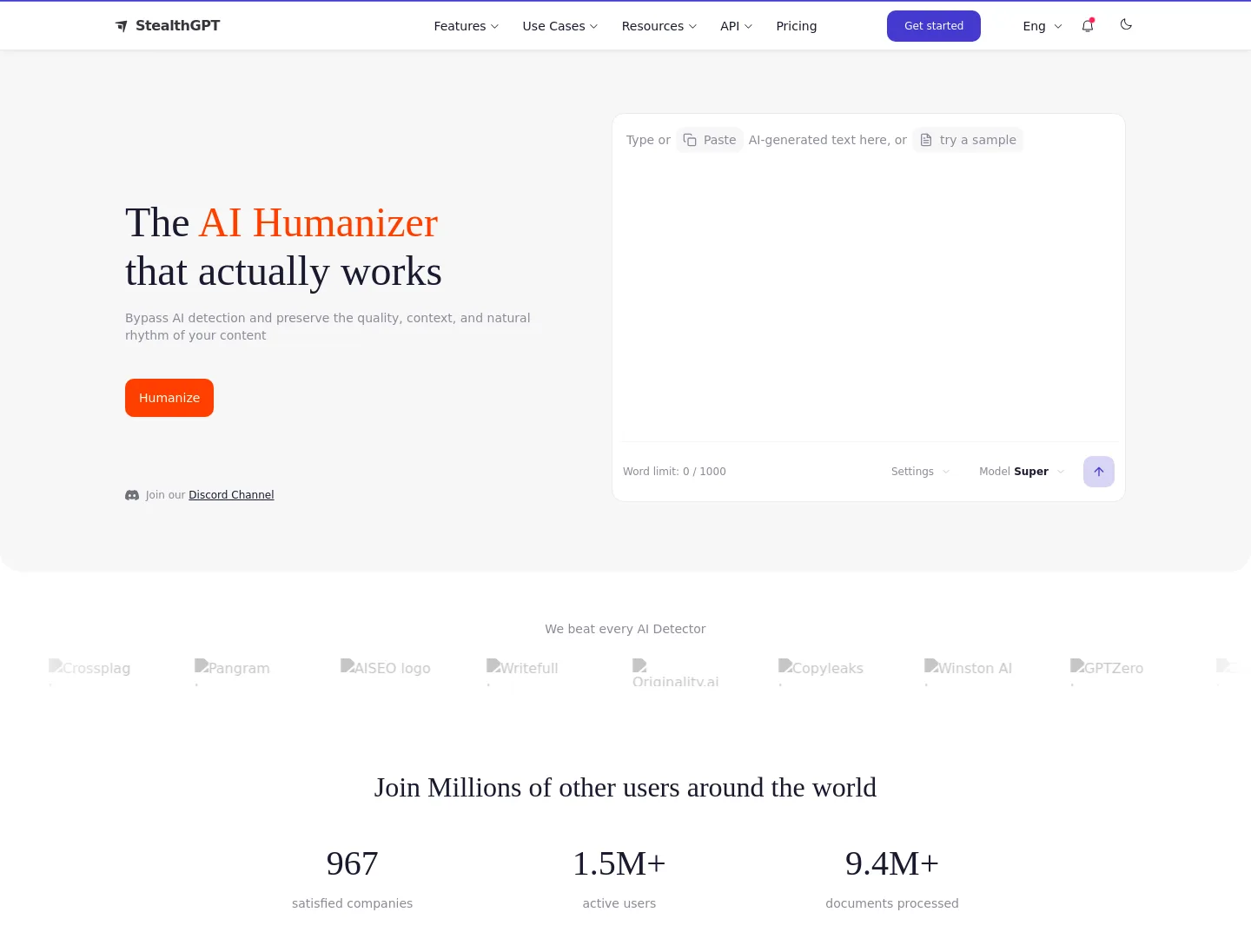
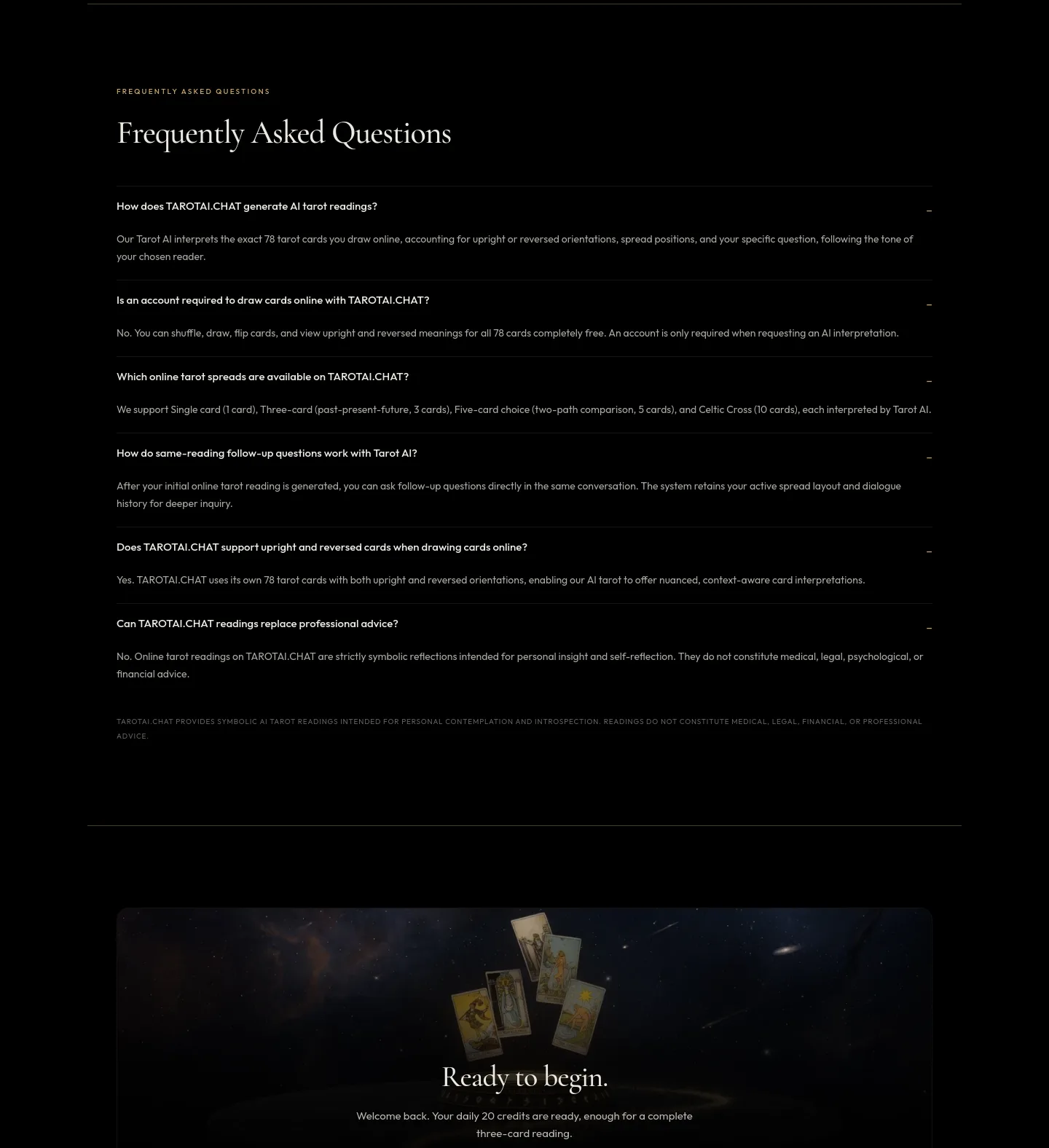
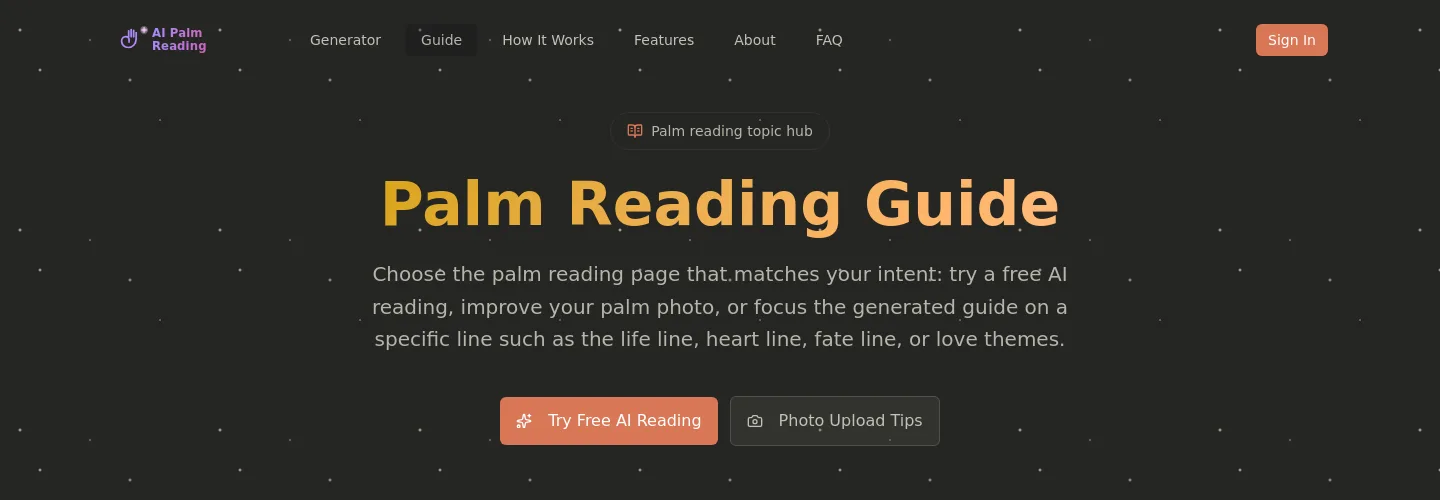

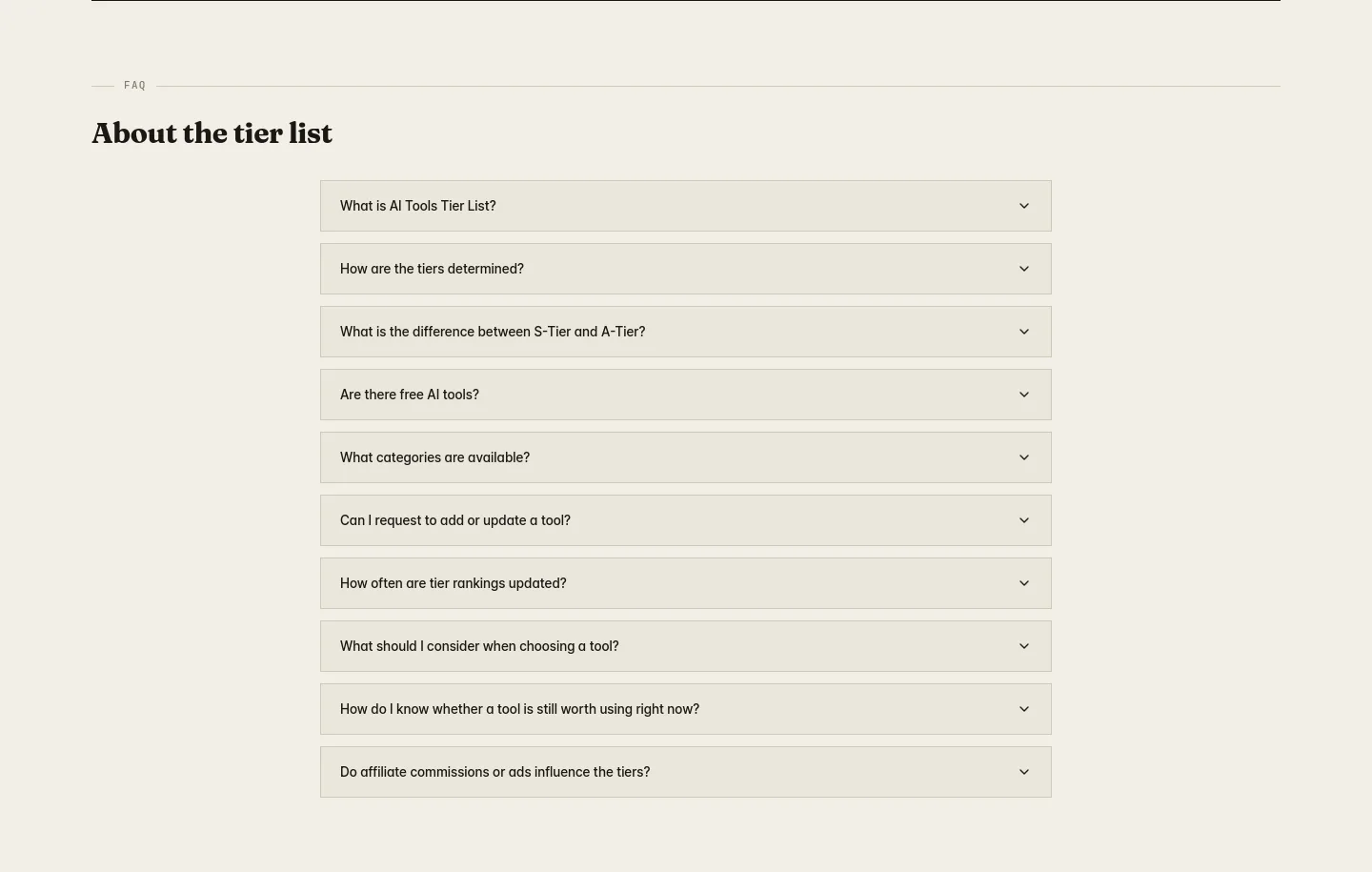





No sections match these filters.
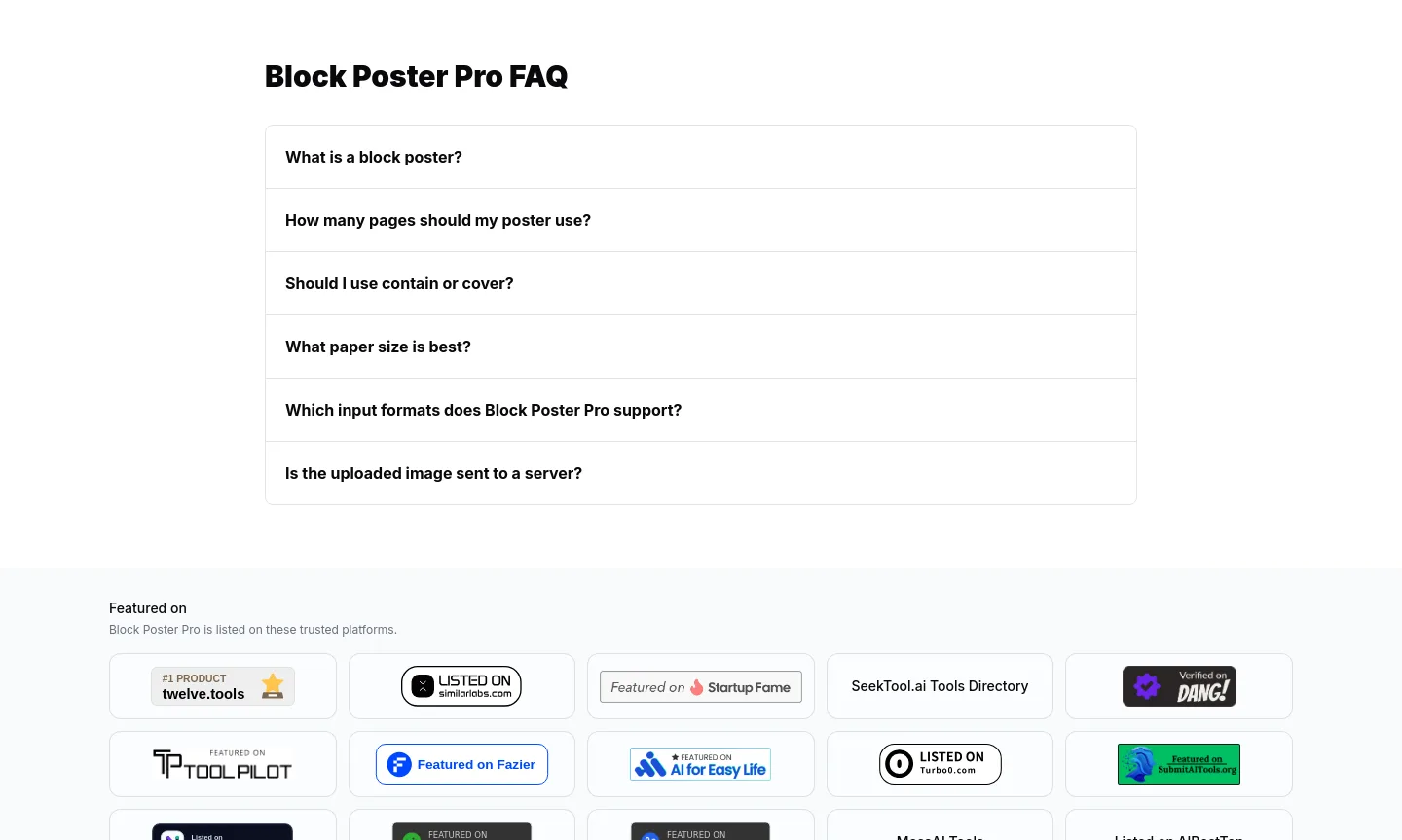
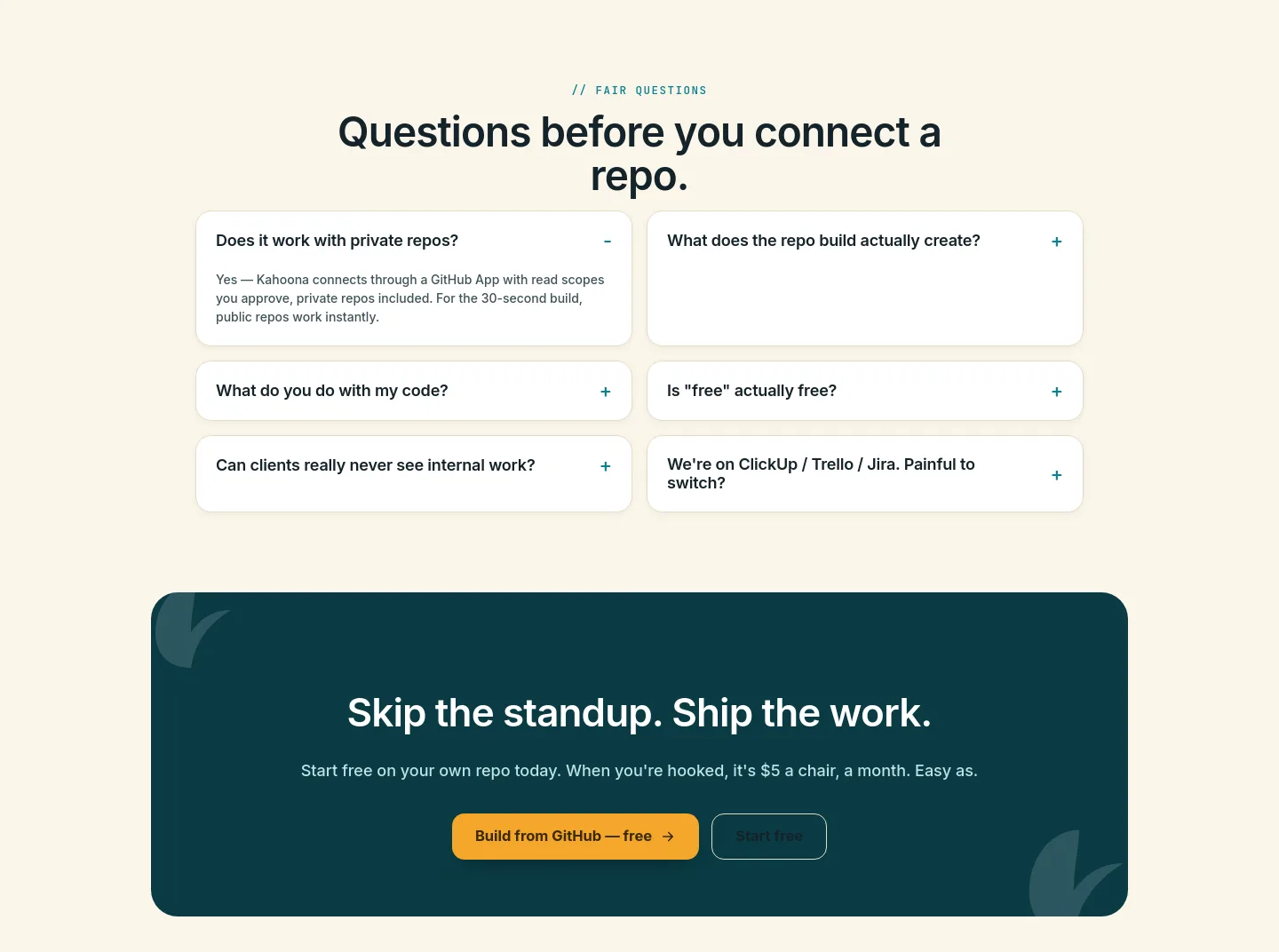
This shelf holds 6,731 real page sections, each one a single full-width band cropped from a live page at its measured position. They were cut from pages that UXXRAY crawled all the way to the footer; 3,819 pages are fully measured. Each band is classified once by what it is. On this shelf: Hero 2,433 (36%), FAQ 1,752 (26%), Pricing 996 (15%), Logo Wall 418 (6%), Features 392 (6%), CTA 333 (5%), Comparison 245 (4%), Reviews 87 (1%), Email Capture 41 (1%), Stats 34 (1%). Every share divides by the 6,731 sections shown. Classification is deterministic, from the band’s own DOM signals, with no AI judgment, and a band that cannot be named is not put in a category. Open any section type for its gallery and the measured range its examples sit in. The corpus is seeded from launch directories, so read these counts as what UXXRAY measured, not as a sample of the whole web.
The pieces that live inside these sections — buttons, ratings, price anchors, guarantees, countdowns — cropped from real pages, are the Element Library. Composition of sections into pages: Page designs. Strategy across pages: Funnel designs.
Method: every crawled page is segmented into full-width bands and each band classified into a section archetype by deterministic DOM signals: no LLM, no opinion. Prevalence counts each archetype once per page, across pages crawled all the way to the footer (partial crawls are held back, not guessed). "Typically sits" = the average of the section's position within the page body (0 = top, 1 = bottom). Scoped to the pages we've crawled, not "the web"; auto-updating as the corpus grows.