The Launch Autopsy · 01
We x-rayed 94 recent launches. 74% ask you to trust them with empty hands.
A forensic look at the UX of recent Show HN & Product Hunt launches, measured, not vibed. Every number links to the receipt.
Citations from this study
-
Citation 1 of 2
74% of the 94 launches measured surfaced zero social proof (70 of 94)
Jump to itCitation text
74% of the 94 launches measured surfaced zero social proof (70 of 94). Source: UXXRAY, The Launch Autopsy, 2026-10 edition, measured 2026-07-13. https://uxxray.com/research/launch-autopsy/2026-10/#zero-proof -
Citation 2 of 2
1 of 94 launches used a countdown timer
Jump to itCitation text
1 of 94 launches used a countdown timer. Source: UXXRAY, The Launch Autopsy, 2026-10 edition, measured 2026-07-13. https://uxxray.com/research/launch-autopsy/2026-10/#countdown
As of edition 2026-10 (published 2026-10-14): 74% of the 94 launches measured surfaced zero social proof (70 of 94). Read the frozen 2026-10 edition →
We pointed UXXRAY at 94 recently-launched products, the ones scrolling past on Show HN and Product Hunt, and walked each funnel the way a first-time visitor would: landing page, pricing, sign-up, checkout. No opinions. Just what's measurably on the page: the conversion tactics, the proof, the design tokens, and which of the applicable tactics were found. Then we read the autopsy.
Finding 1: 74% show up with no evidence
Of the 94 launches, 70 surfaced zero social proof. Not a thin testimonial. Not a logo wall. Not a "1,200 teams already use this." Nothing. The average launch page carries 0.7 proof points; the best one carries eleven. That's the headline failure, and the cheapest to fix. A launch page is a stranger asking for your email, your card, or your afternoon, and three in four ask with empty hands.
Of 94 launches
74%
surfaced zero social proof: 70 of the 94 launches measured in the July cohort.
launch cohort, July 2026
Finding 2: the average launch page carries under one proof point
Across the 94 launches the average page carries 0.7 proof points and the best carries 11. A hero, a button, and a hope. (This study first ran a second measure, a score banded into five grades. That metric was retired, so it is not restated here; the dated edition keeps what was published.)
Finding 3: nobody makes an argument
The tactics that actually persuade are the ones nobody ships:
- Only 6% publish a us-vs-them comparison table. 94% won't name a rival
- Only 12% put proof above the fold, where it's actually seen.
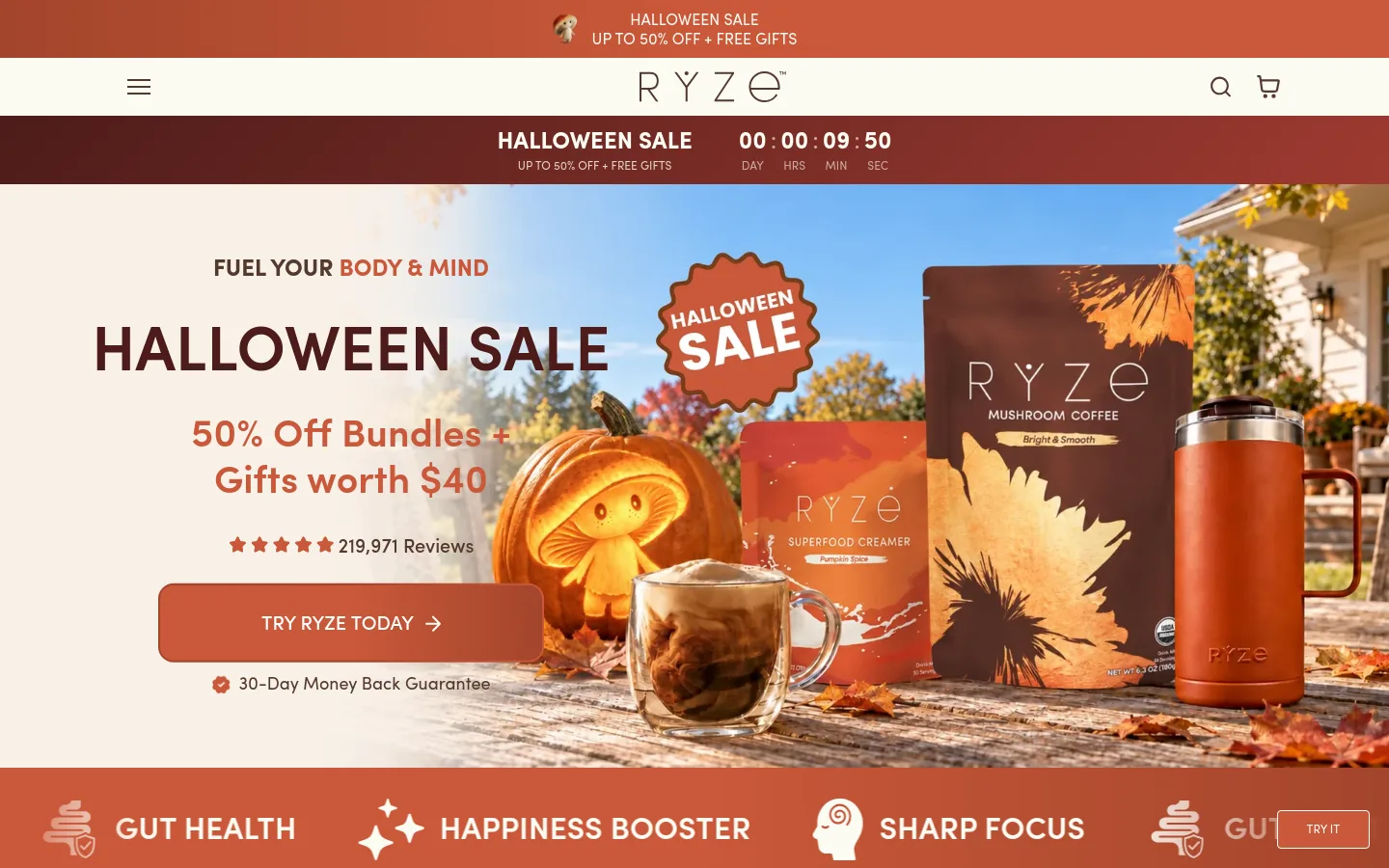
- 1 of 94 launches uses a countdown timer. urgency is rarer than Twitter thinks
Launches copy each other's layouts religiously and each other's arguments never.
Finding 4: two ways to win, and almost nobody does either
The top of the study set splits cleanly into two winning strategies:
Be unmistakably clear, or be visibly vouched for. Most launches in the cohort do neither.
What to steal this week
- Add one proof point above the fold. That alone puts you past 89% of the cohort, as measured today.
- Name your alternative. A comparison table puts you in the rarest 6%.
- Don't fake urgency. 99% skip the countdown, and they're right. Earn the click with clarity, not a timer.
Method: 94 recent Show HN + Product Hunt launches, 128 funnel walks, July 2026. Deterministic extraction, no LLM opinions; every claim is backed by an on-page evidence string. Live, current figures: The Launch UX Index.
What this study could not see
Every number above comes from walking each funnel to its end. That turns out to matter more than we could show with 94 launches: on a later, larger corpus of 1,450 funnels, reading only the landing page changed the detected-tactic count on 64% of the 1,616 funnels walked two or more steps. Read the depth census →
That study is a separate, frozen 2026-08-09 snapshot on a different corpus. It does not restate or revise the July 2026 figures on this page.