Section Design Library

The bands real pages are built from

5,447 sections captured and categorized, from 2,073 funnels x-rayed.

Section

Showing 24 of 5447 sections
posteahora.com — a real CTA section
posteahora.com · CTA
doppio.sh — a real Pricing section
doppio.sh · Pricing
altimateguide.com — a real Pricing section
altimateguide.com · Pricing
koozee.ai — a real CTA section
koozee.ai · CTA
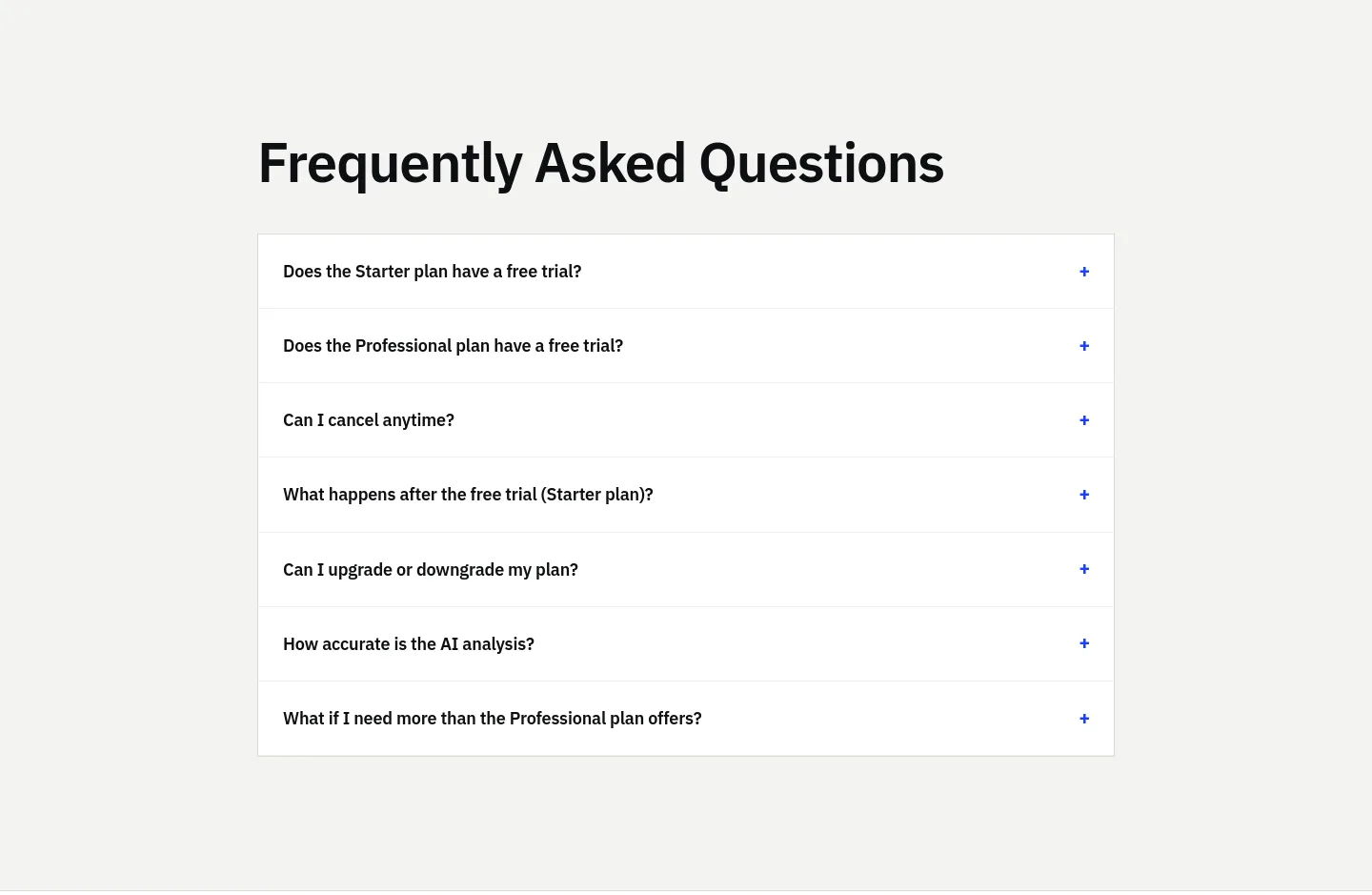
painonsocial.com — a real FAQ section
painonsocial.com · FAQ
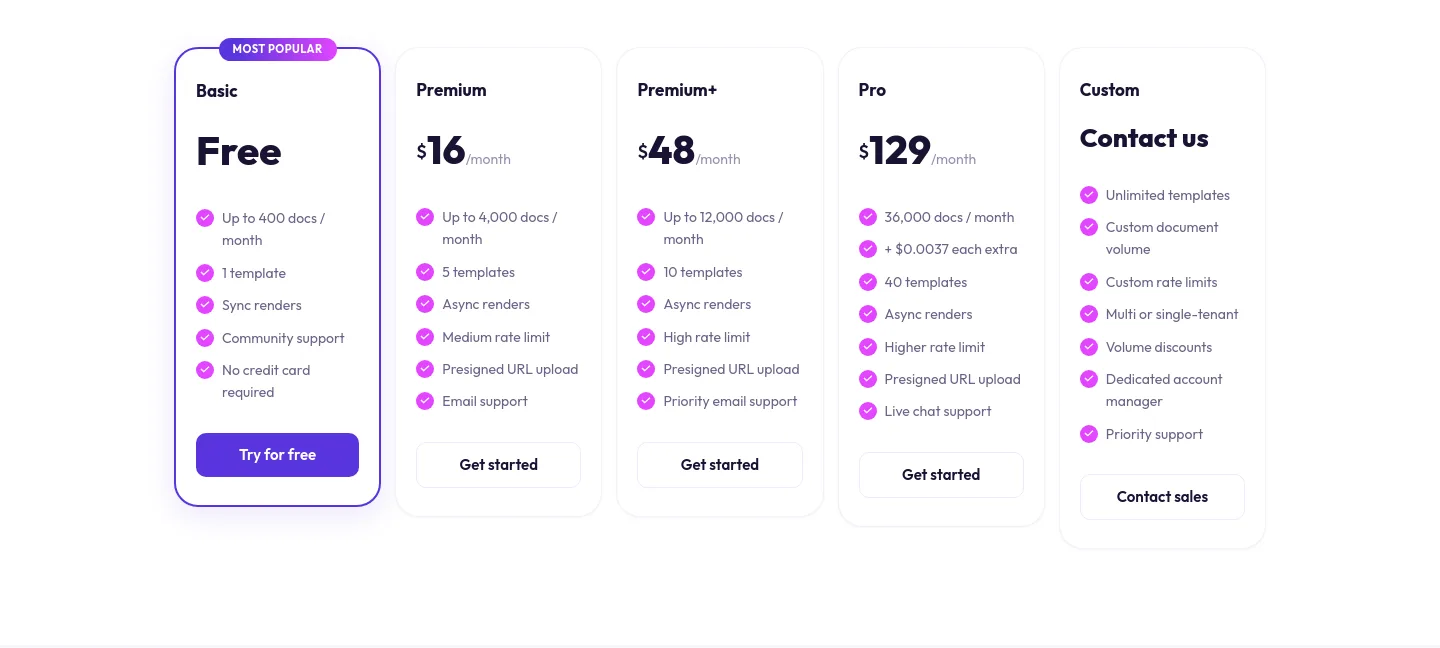
outrank.so — a real Pricing section
outrank.so · Pricing
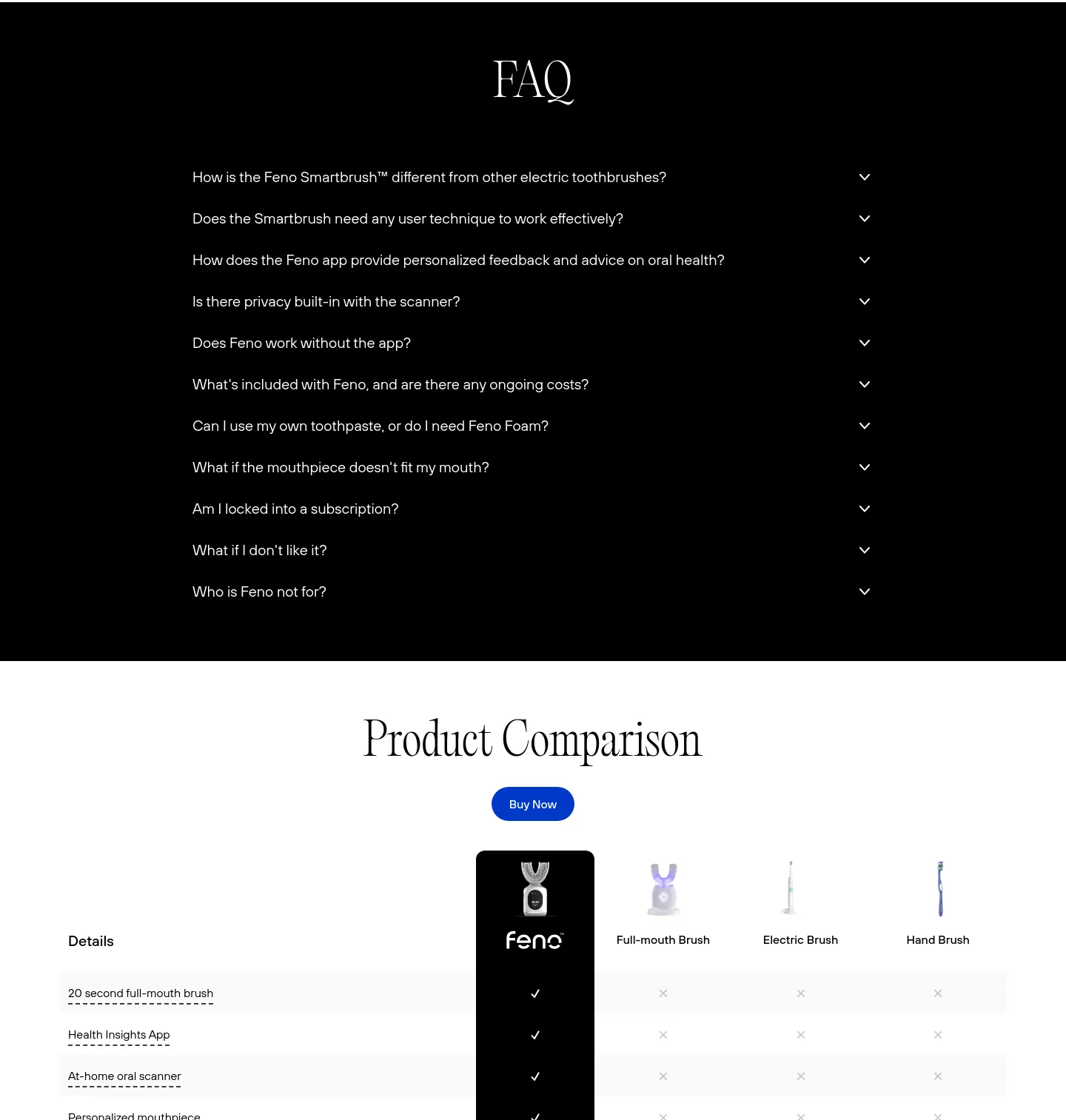
feno.co — a real FAQ section
feno.co · FAQ
zynfo.ai — a real FAQ section
zynfo.ai · FAQ
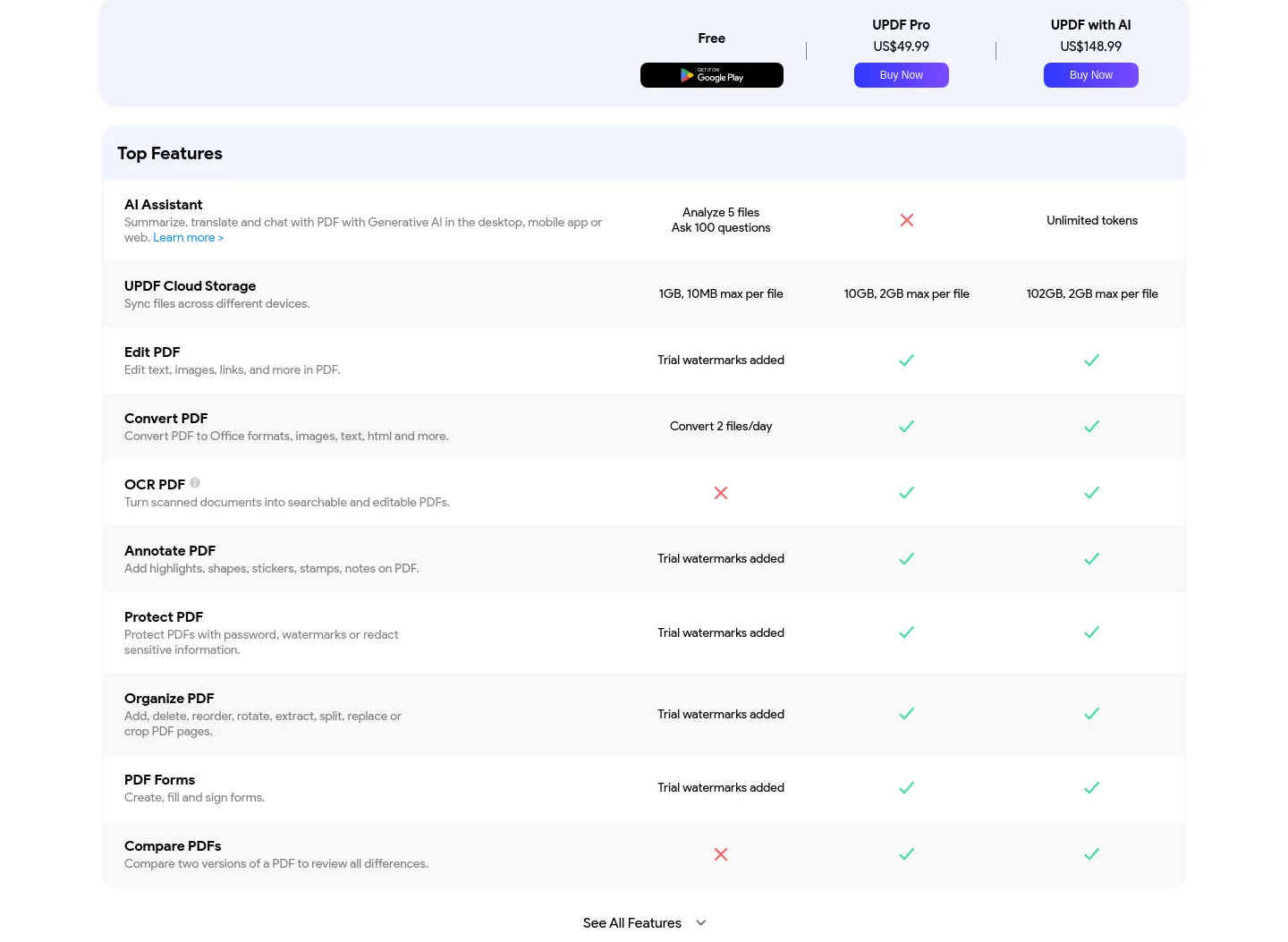
updf.com — a real Pricing section
updf.com · Pricing
twizzlo.com — a real CTA section
twizzlo.com · CTA
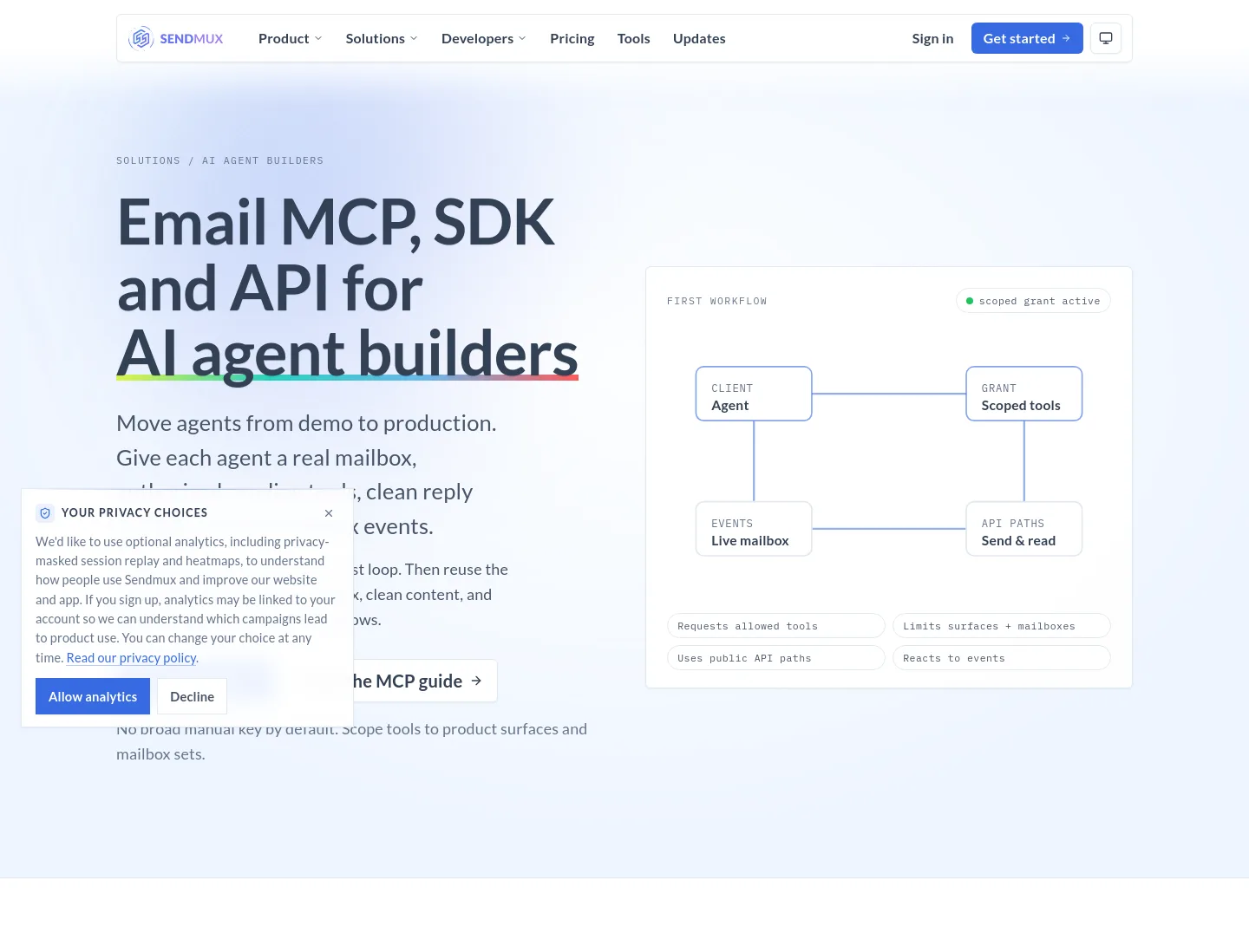
sendmux.ai — a real Hero section
sendmux.ai · Hero
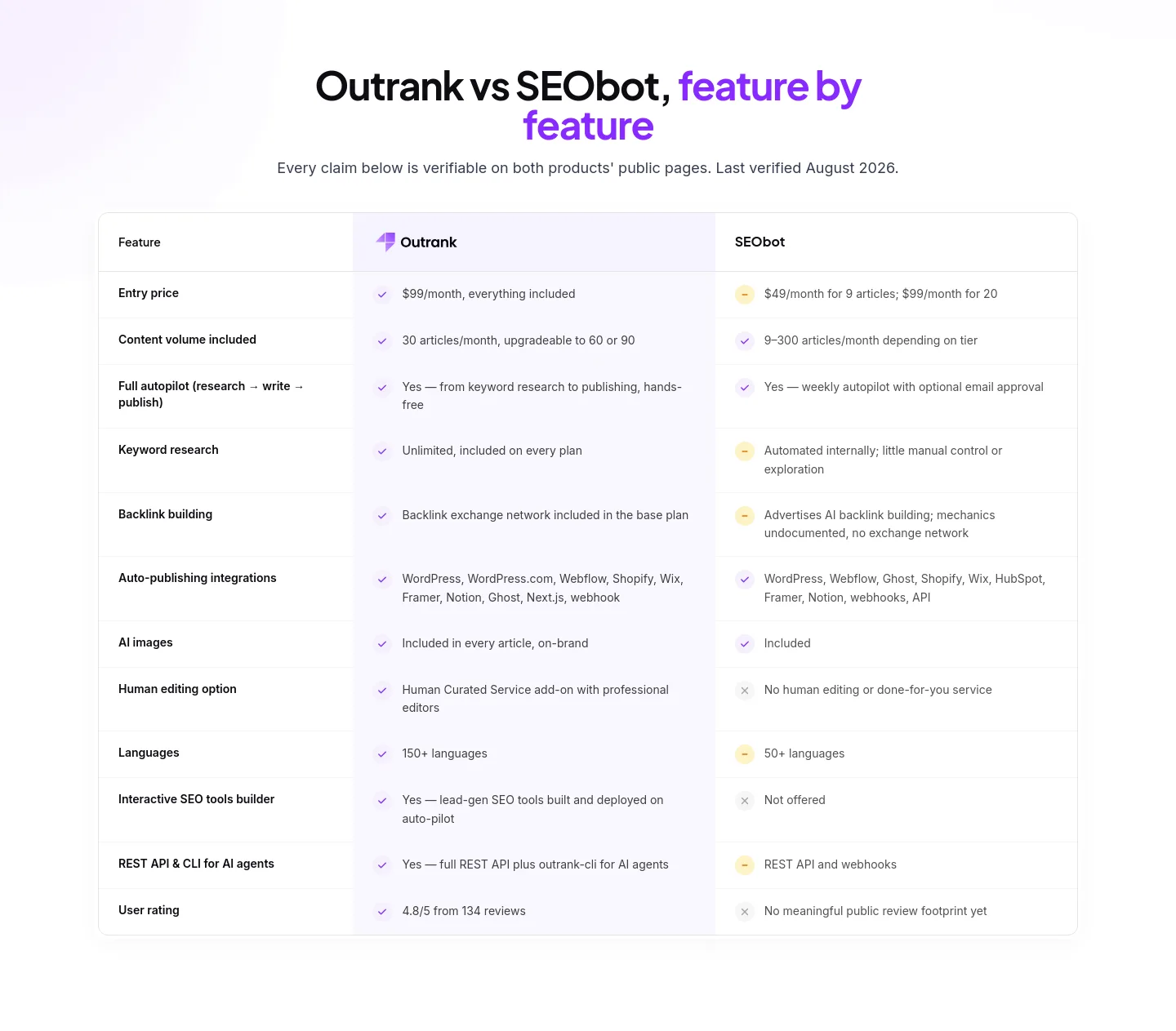
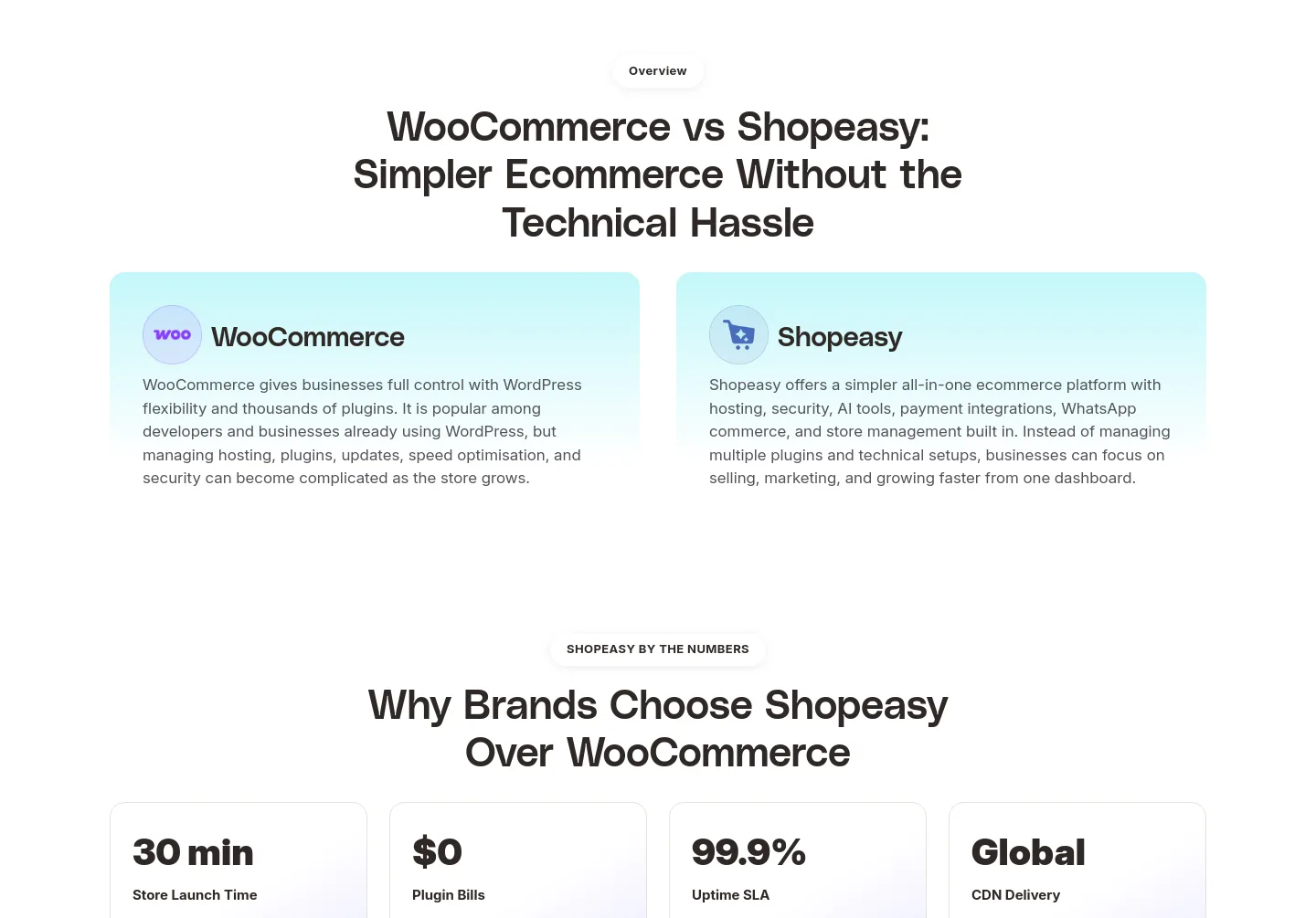
shopeasy.ai — a real Comparison section
shopeasy.ai · Comparison
polyform.to — a real Hero section
polyform.to · Hero
interviewscreener.com — a real Pricing section
interviewscreener.com · Pricing
jetti.com — a real Hero section
jetti.com · Hero
chatflow.co — a real FAQ section
chatflow.co · FAQ
apps.shopify.com — a real CTA section
apps.shopify.com · CTA
responsly.ai — a real Pricing section
responsly.ai · Pricing
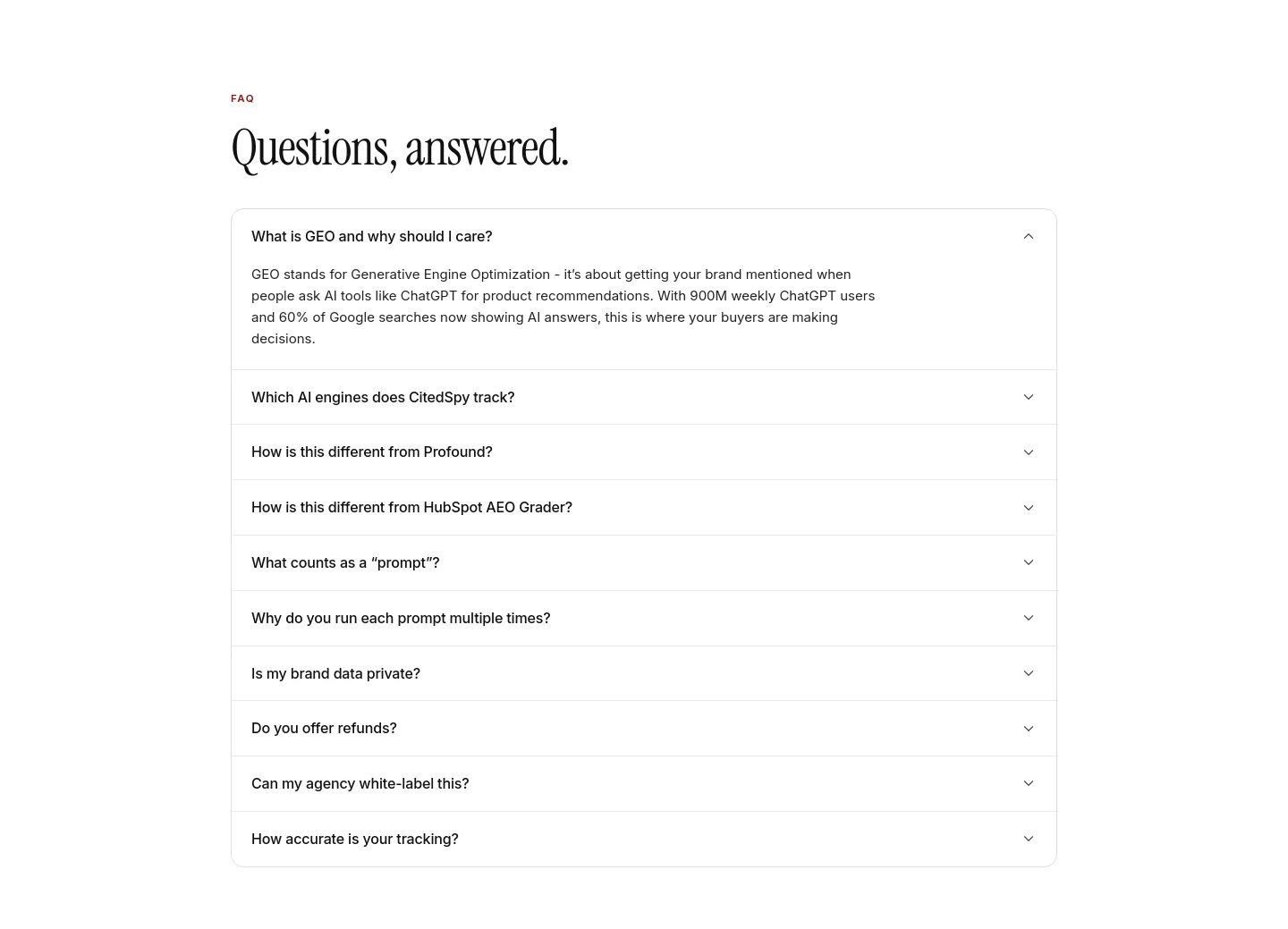
citedspy.com — a real FAQ section
citedspy.com · FAQ
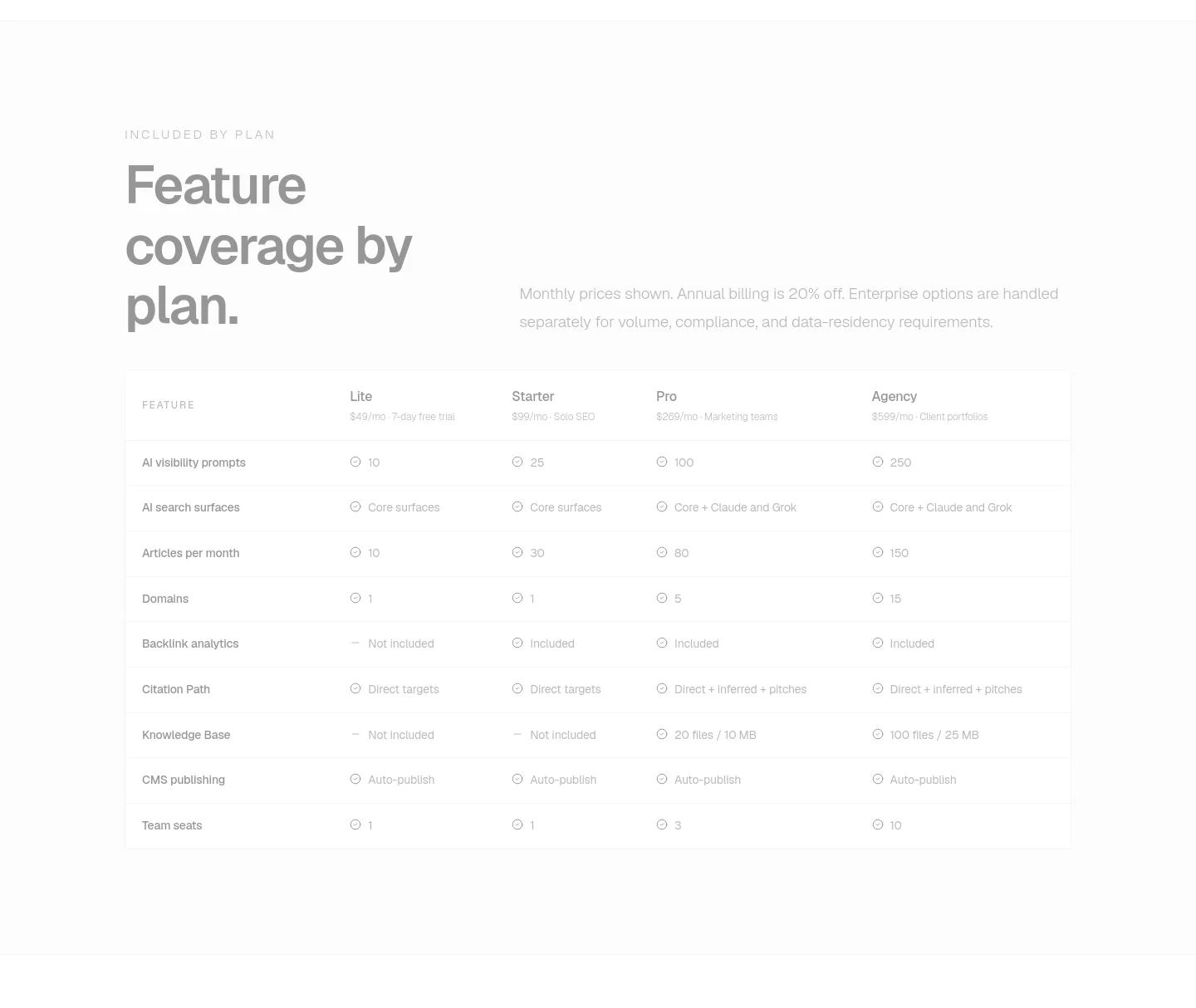
meev.ai — a real Pricing section
meev.ai · Pricing
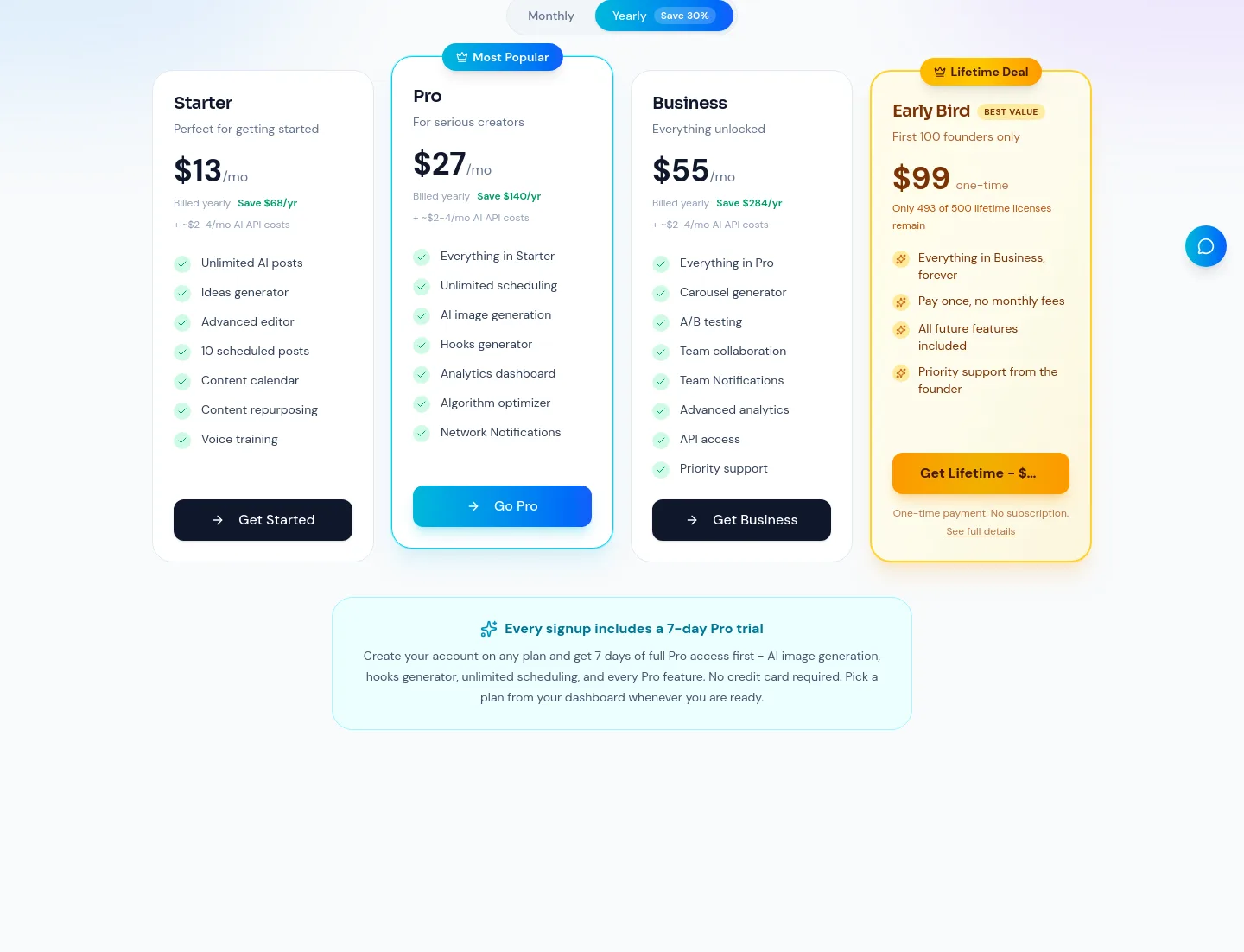
linkedgrow.ai — a real Pricing section
linkedgrow.ai · Pricing
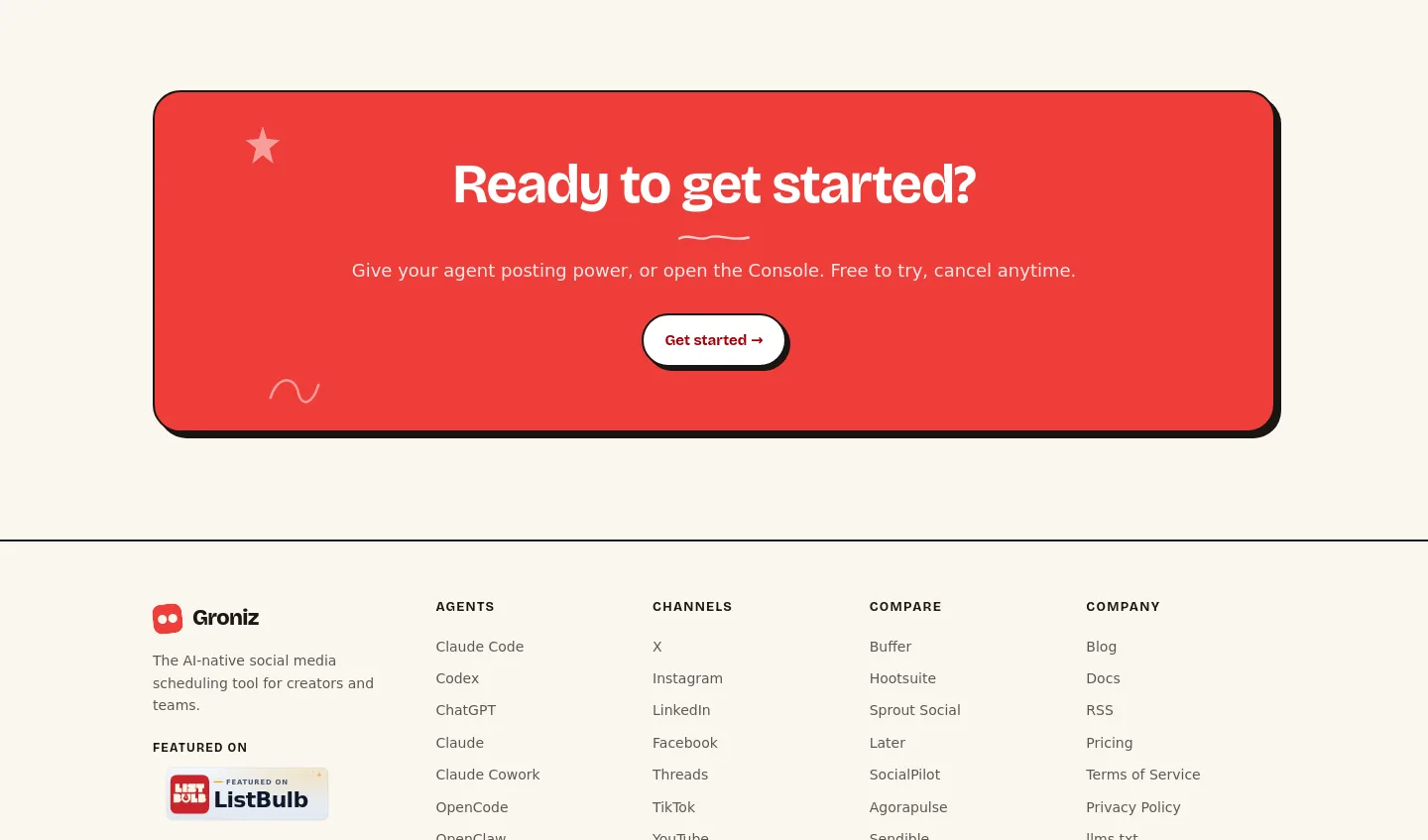
groniz.com — a real CTA section
groniz.com · CTA
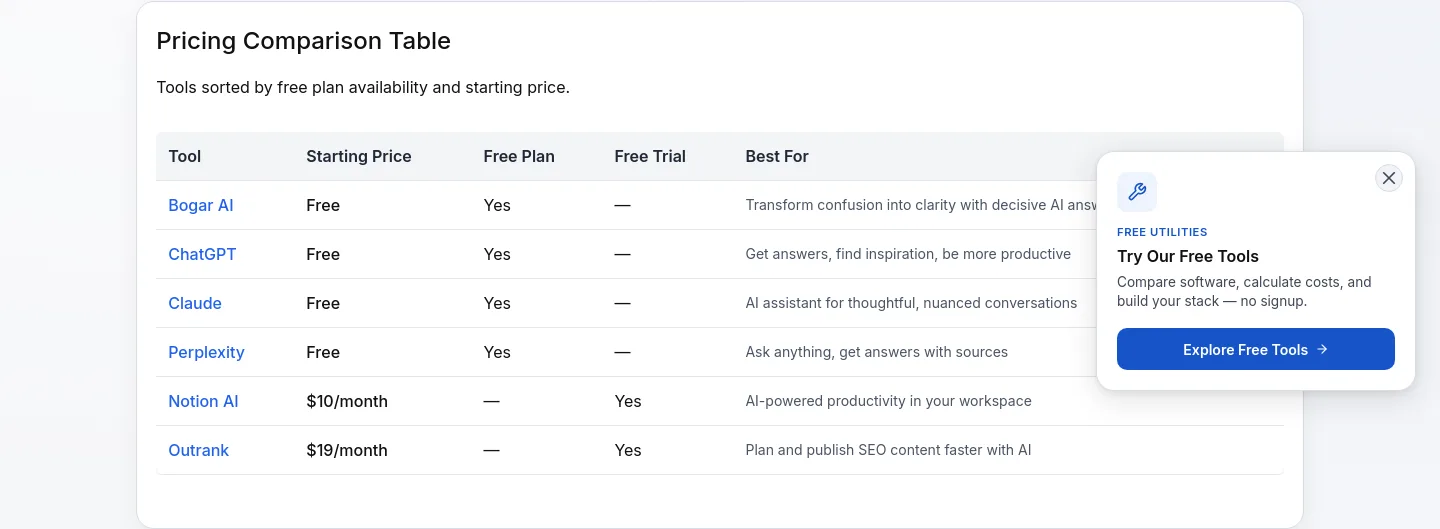
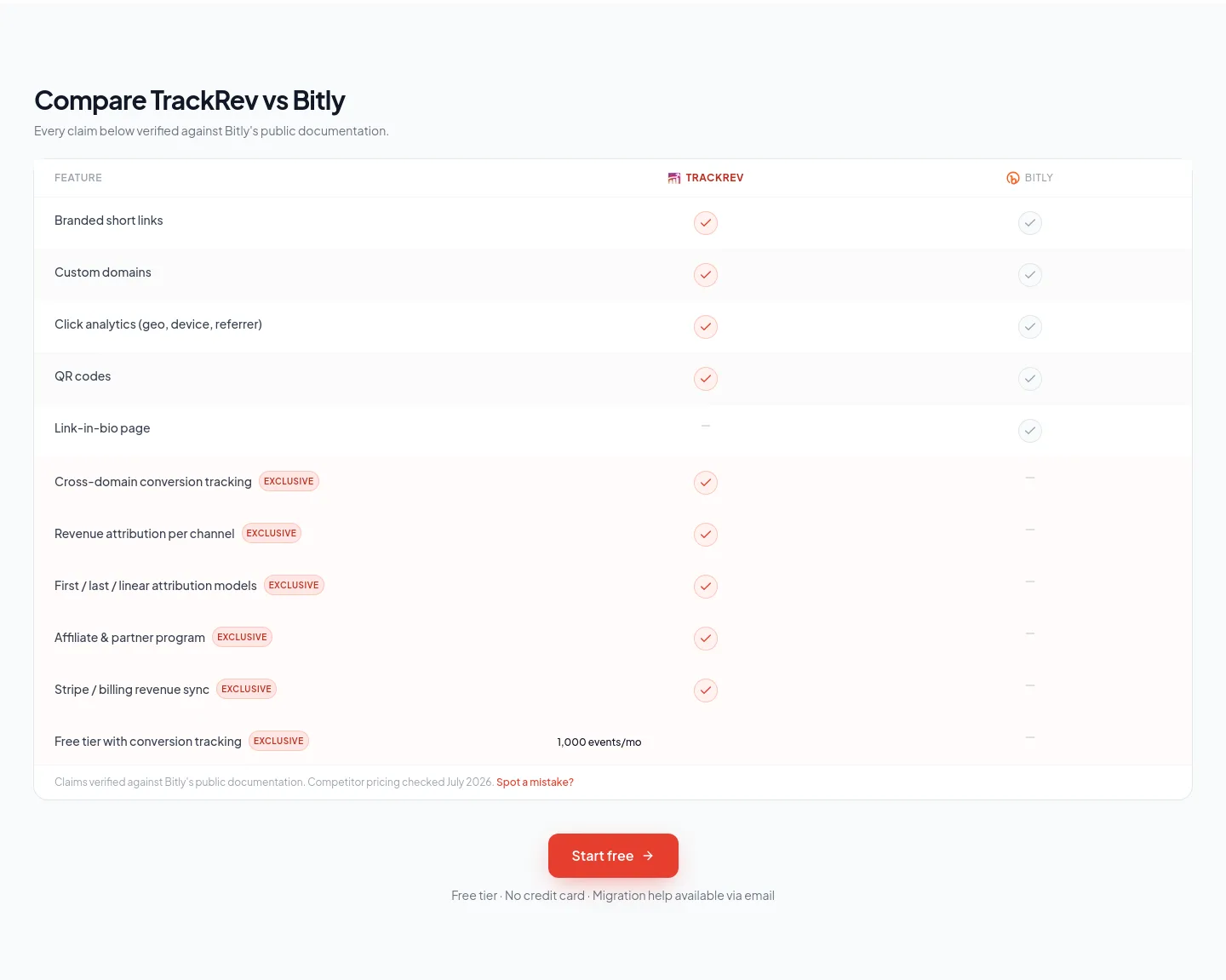
trackrev.io — a real Comparison section
trackrev.io · Comparison
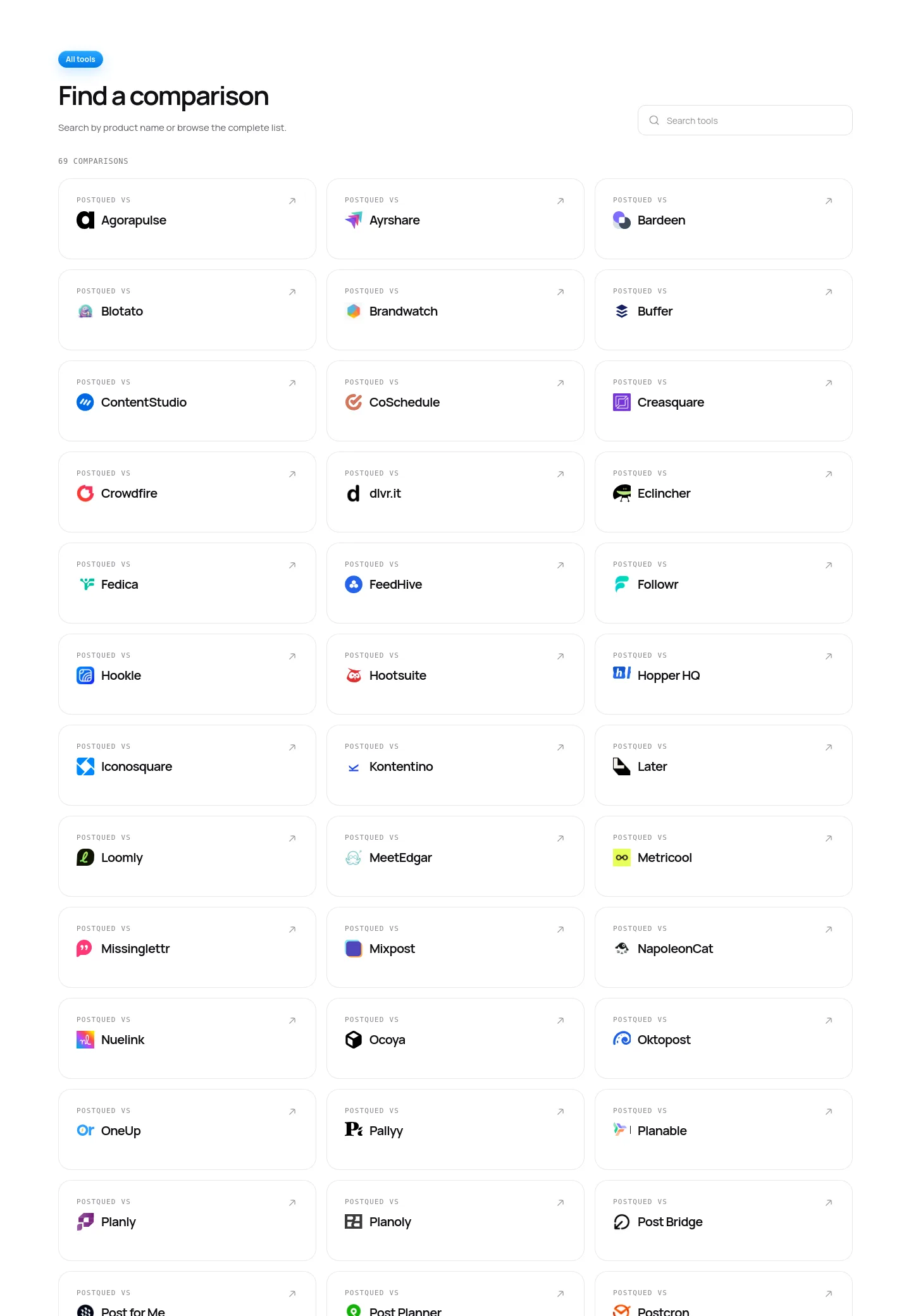
postqued.com — a real Comparison section
postqued.com · Comparison
2073 funnels x-rayed3090 pages measured10 section types

X-ray your own funnel · free, no signup required

Method: every crawled page is segmented into full-width bands and each band classified into a section archetype by deterministic DOM signals: no LLM, no opinion. Prevalence counts each archetype once per page, across pages crawled all the way to the footer (partial crawls are held back, not guessed). "Typically sits" = the average of the section's position within the page body (0 = top, 1 = bottom). Scoped to the pages we've crawled, not "the web"; auto-updating as the corpus grows.