Features section examples
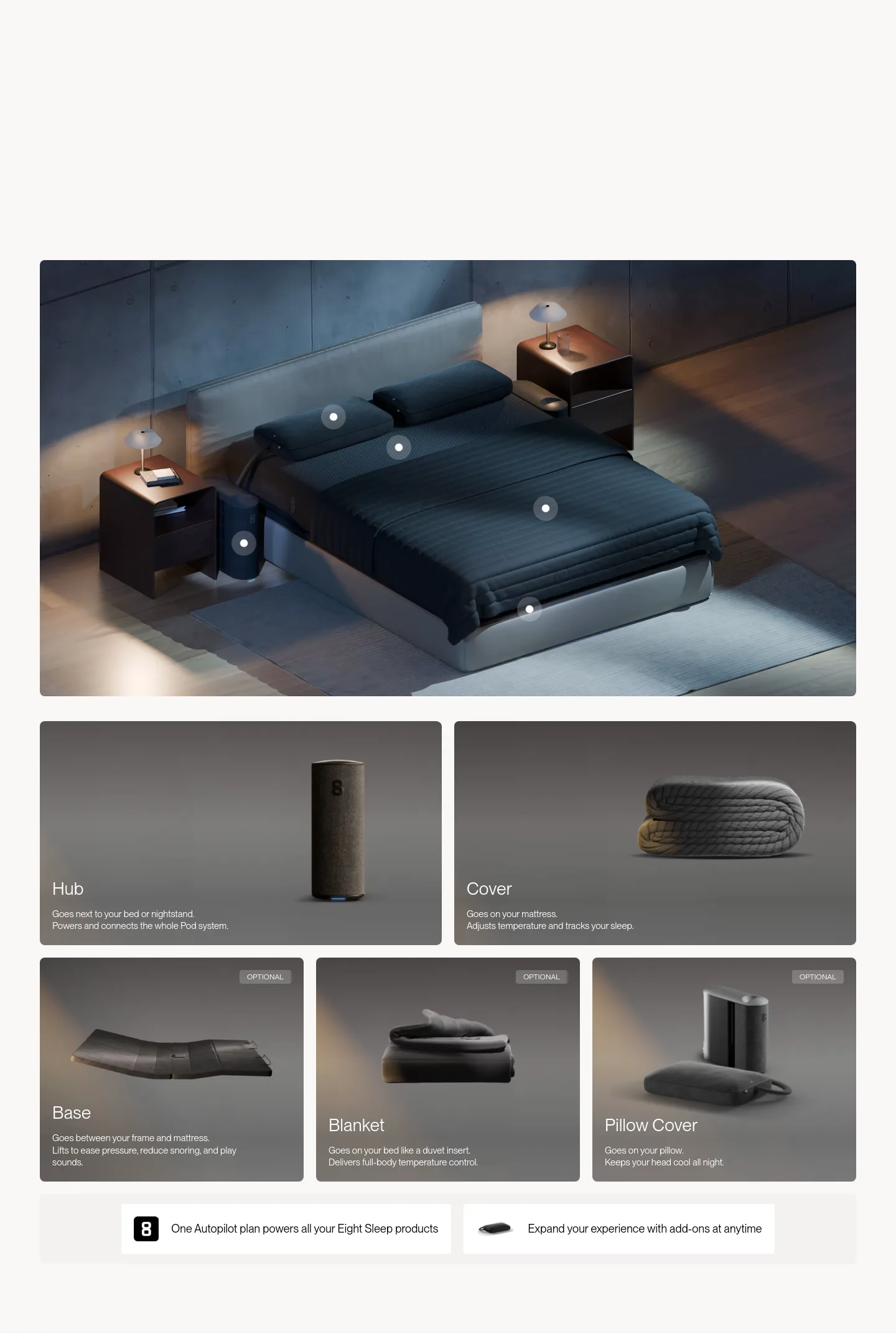
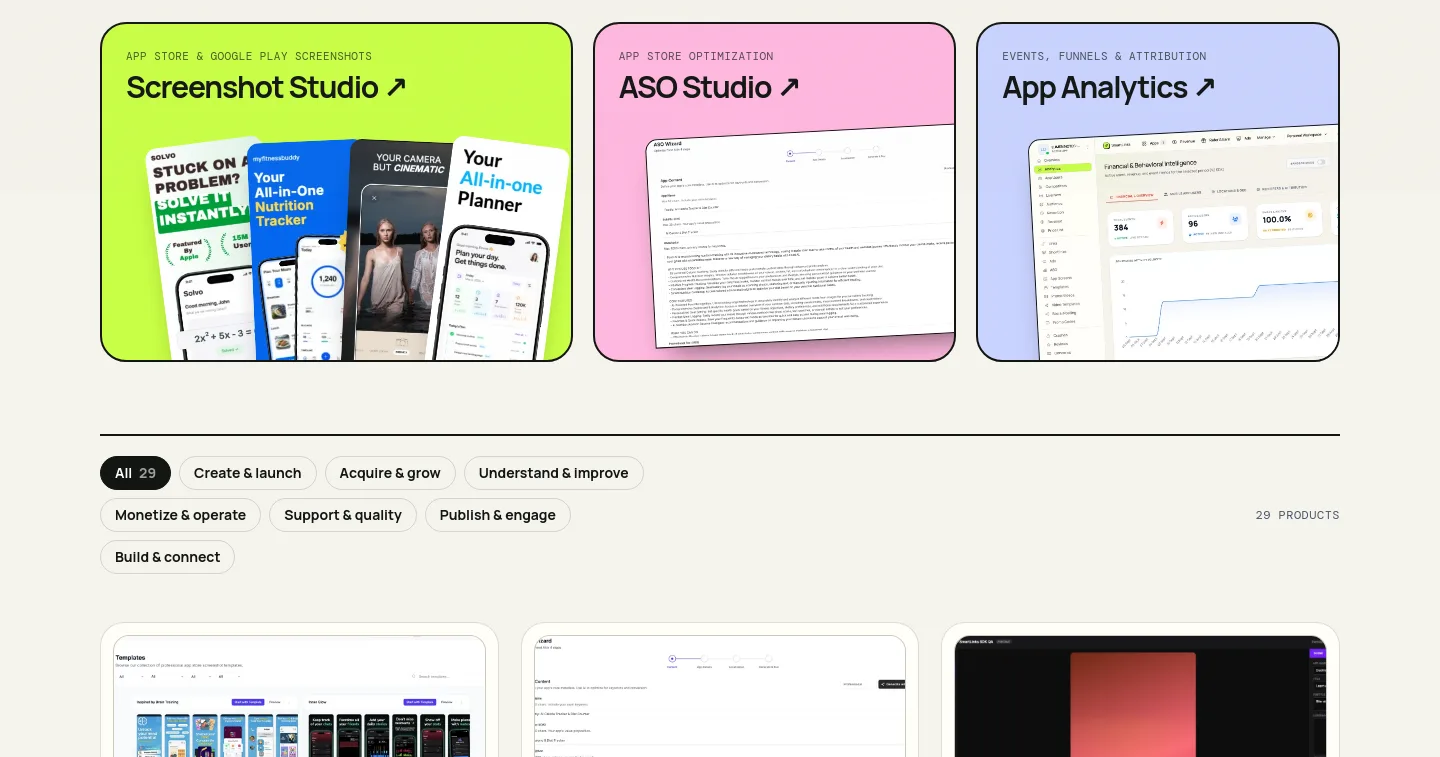
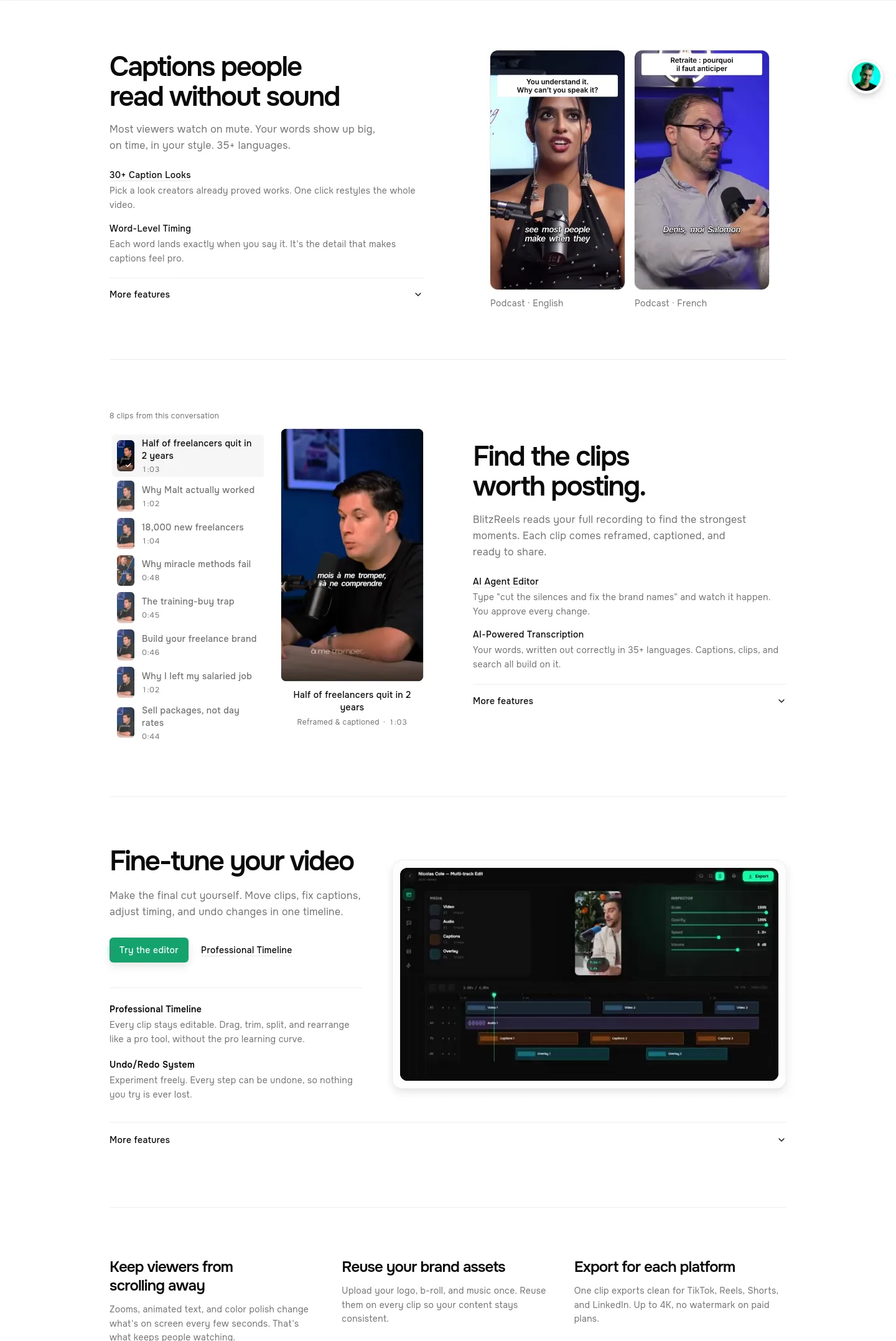
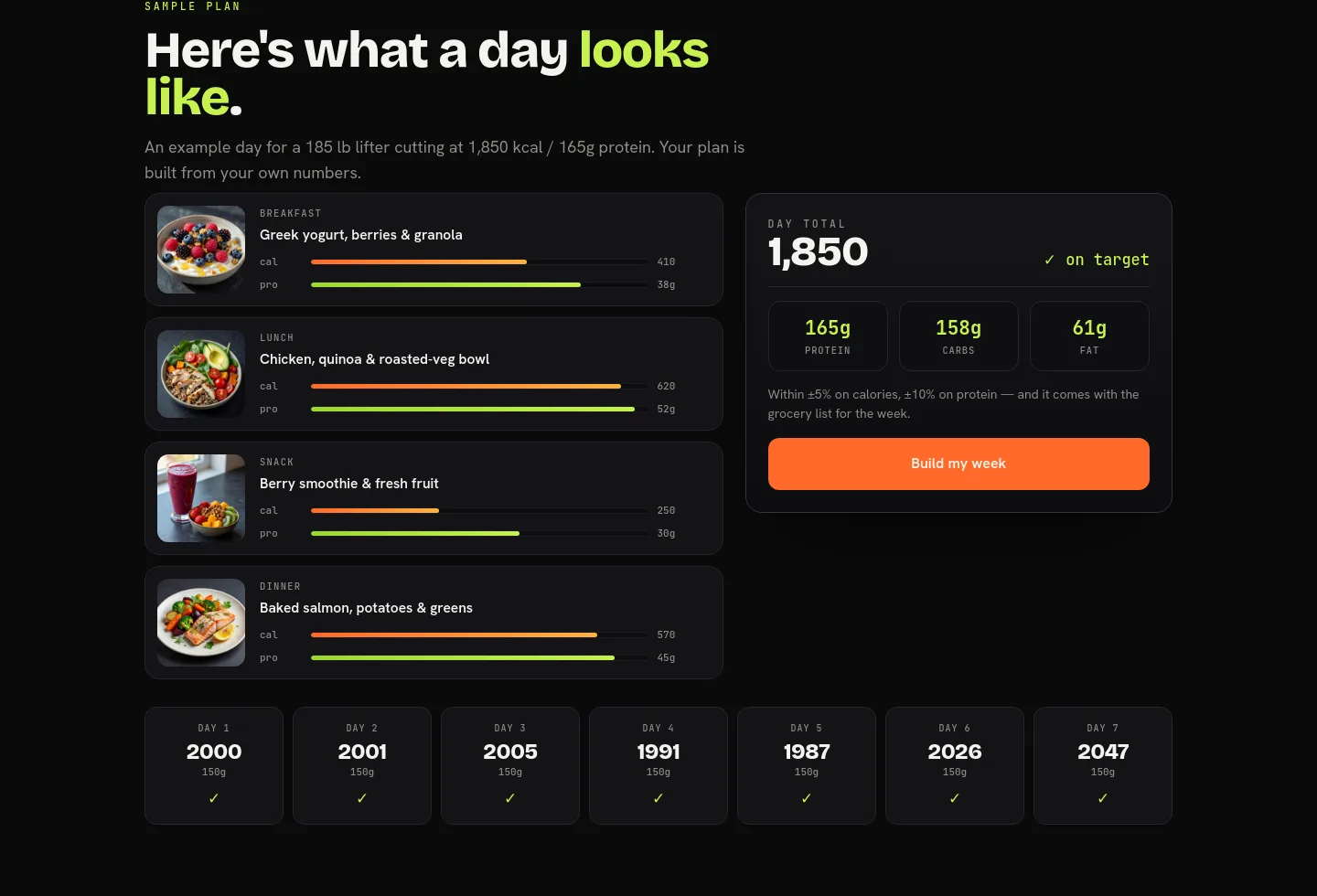
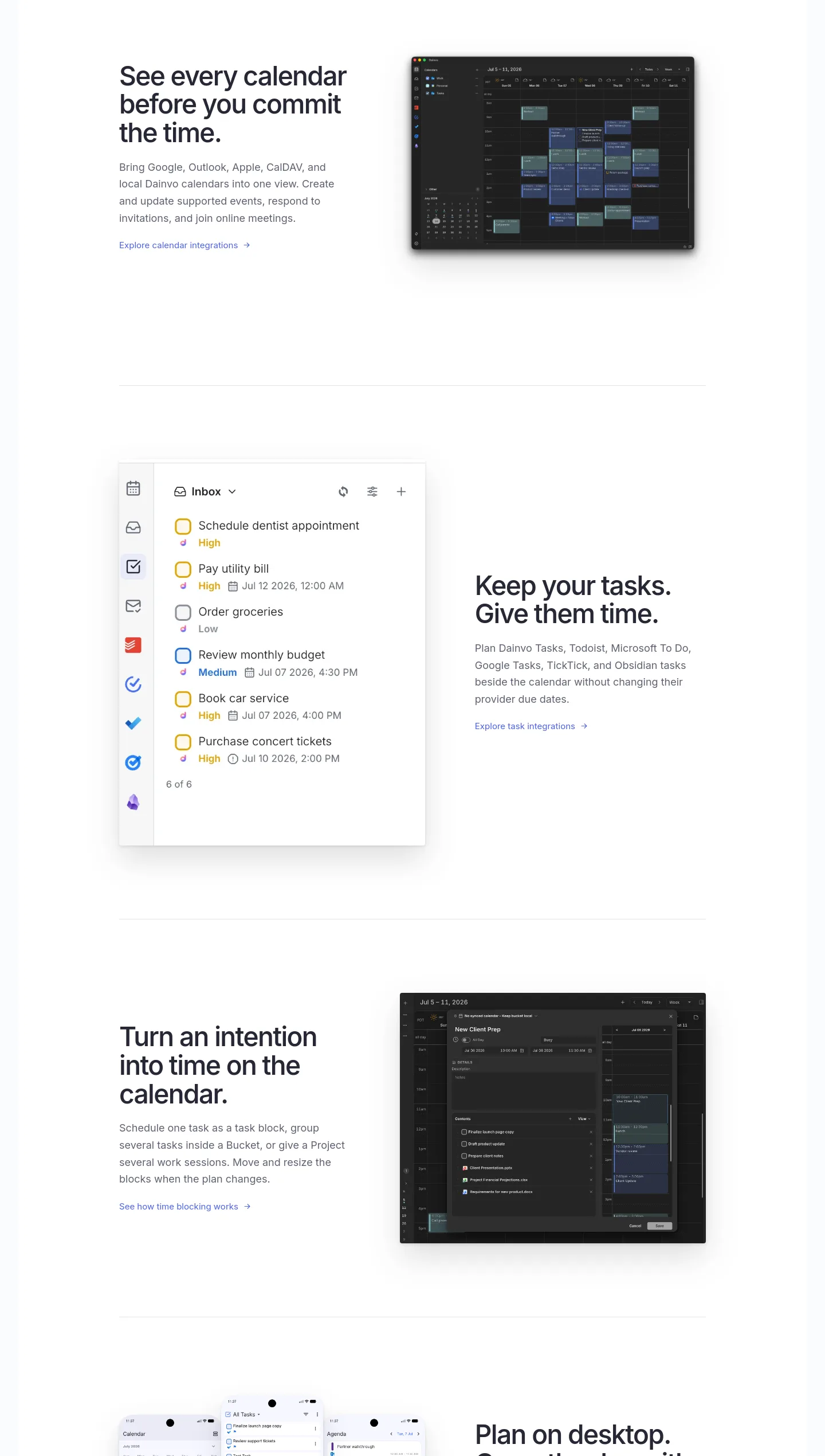
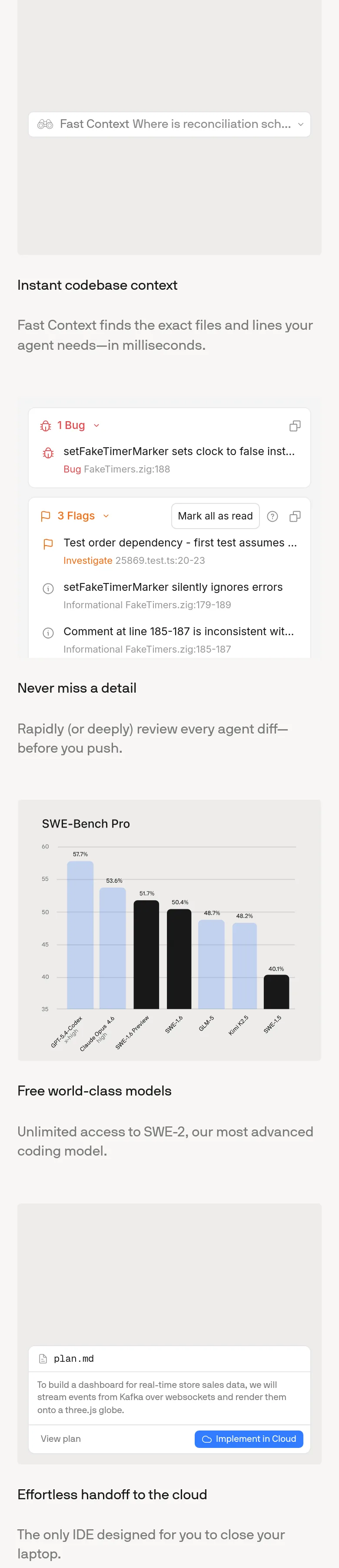
The mechanism, tiled. What it does, shown as repeatable units a skimmer can count.

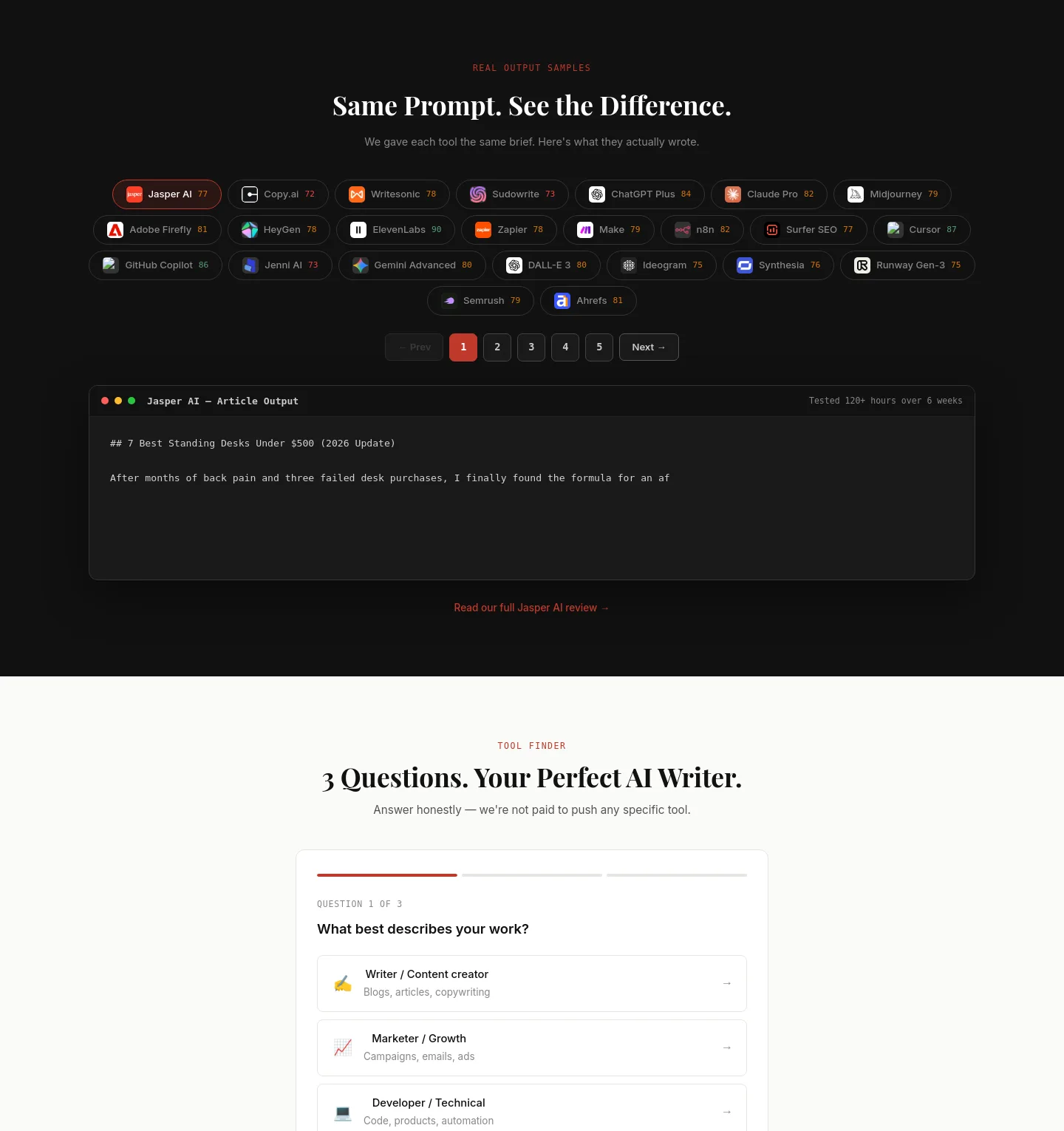


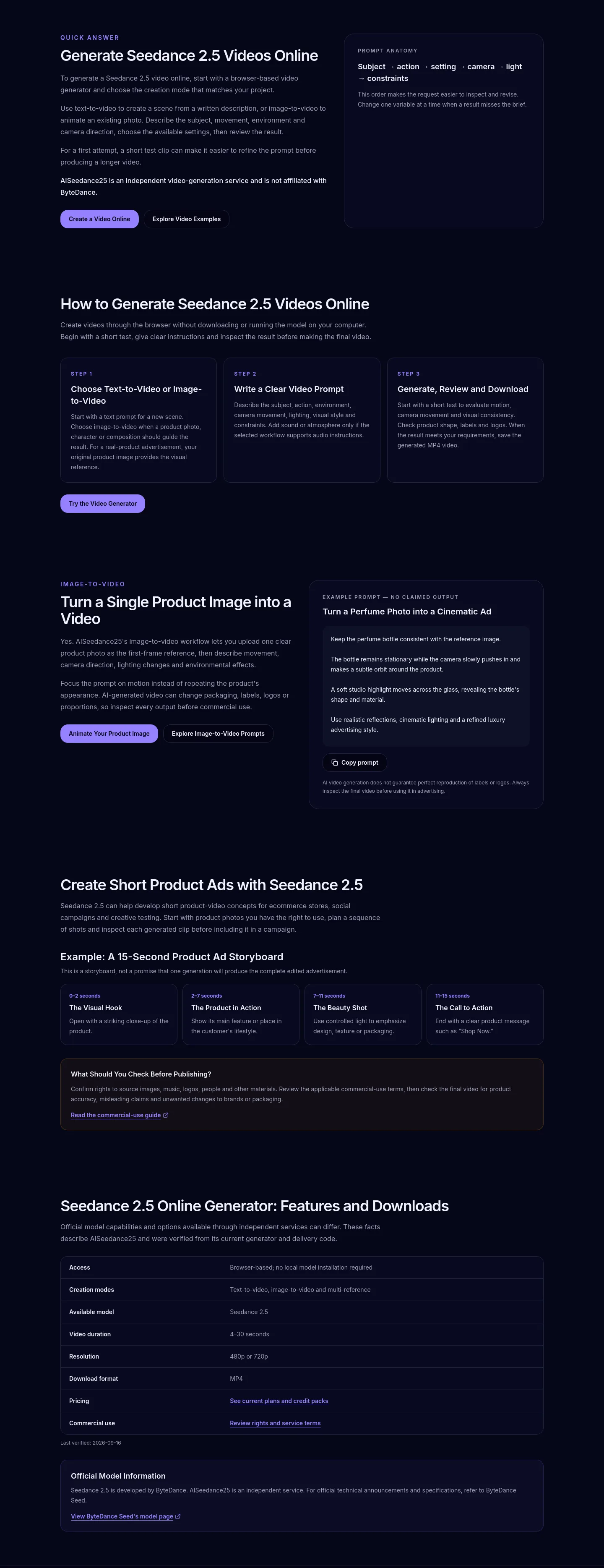
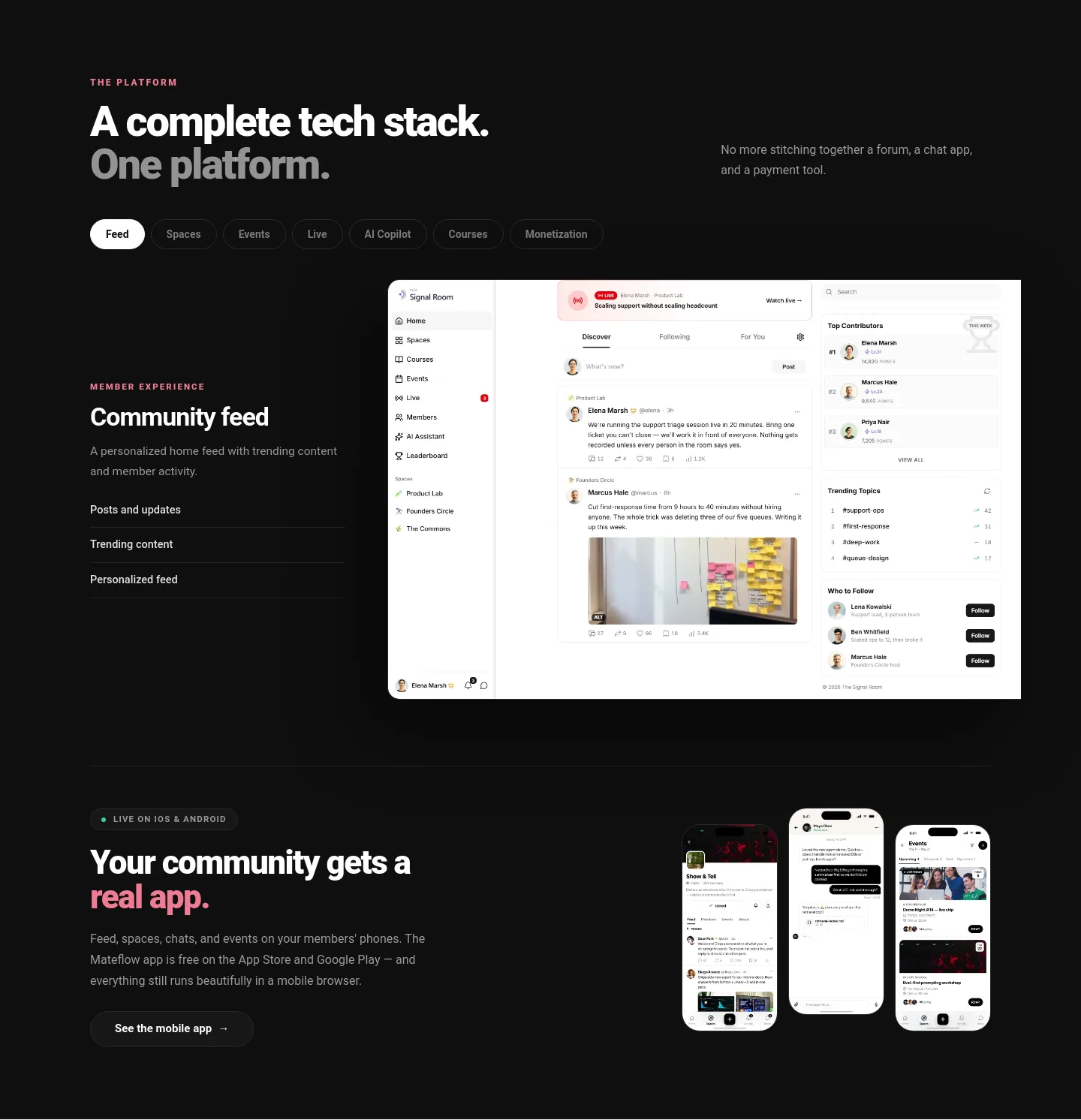


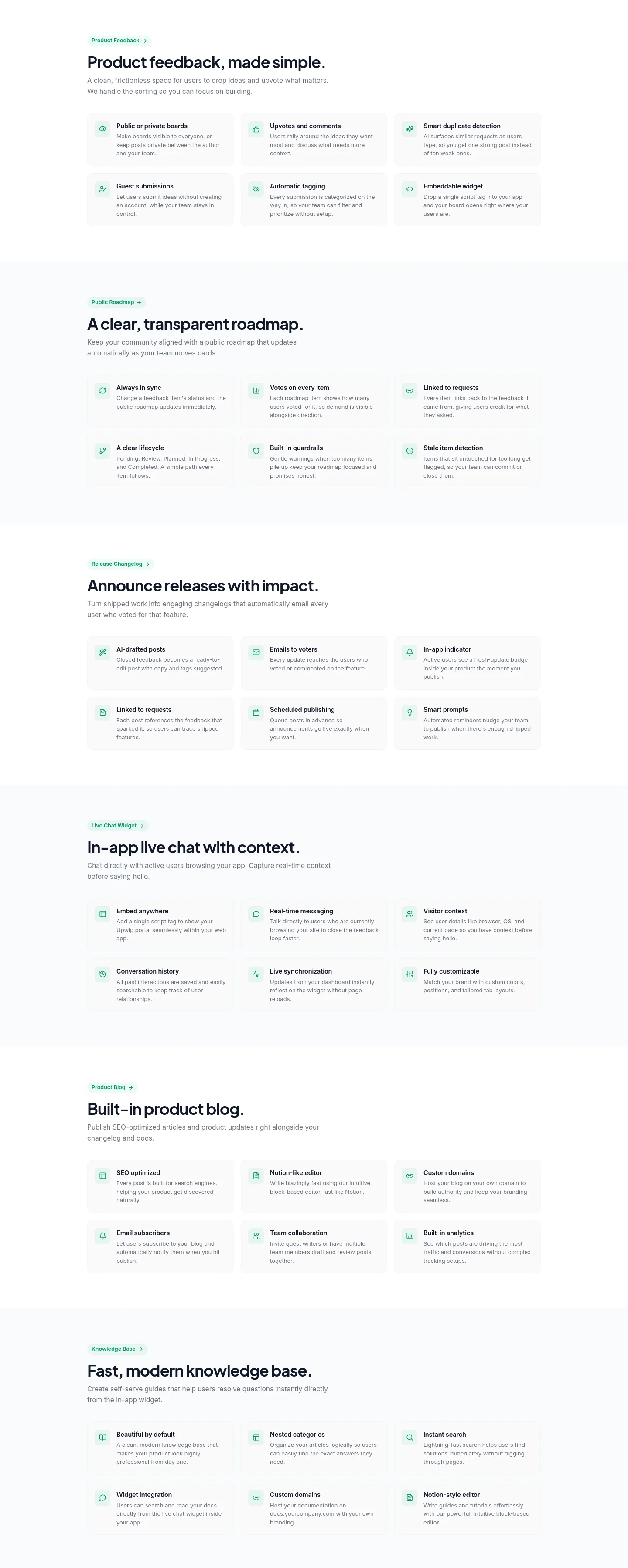




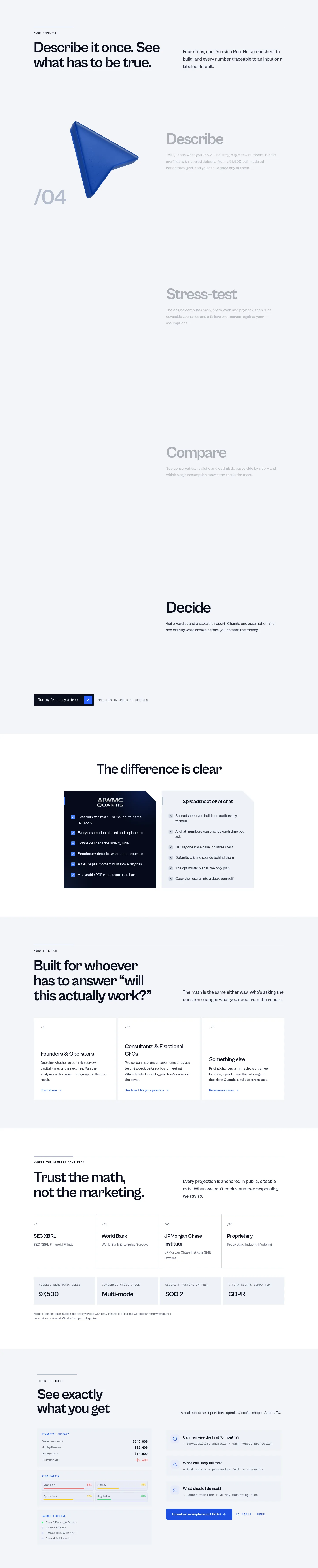
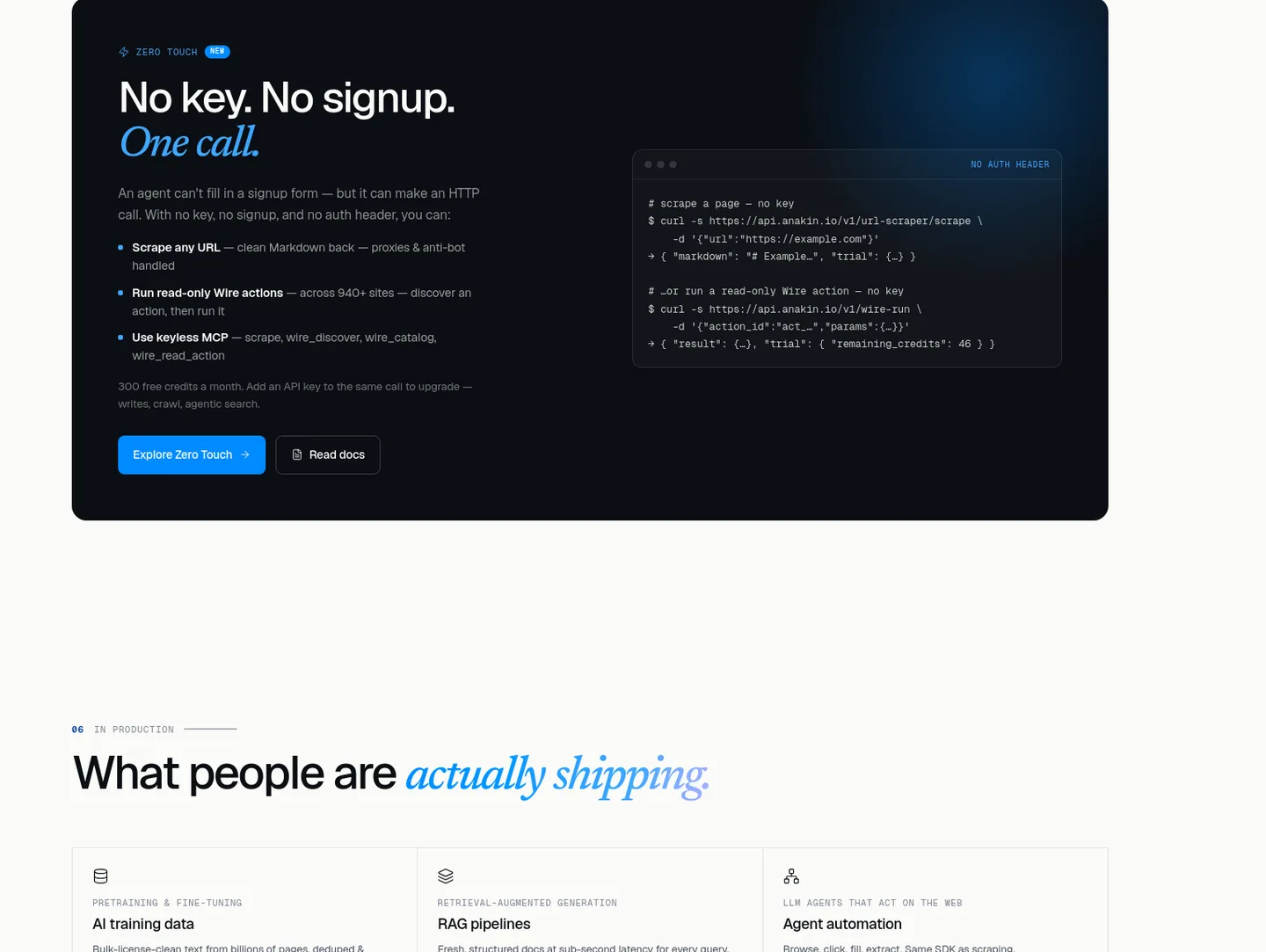

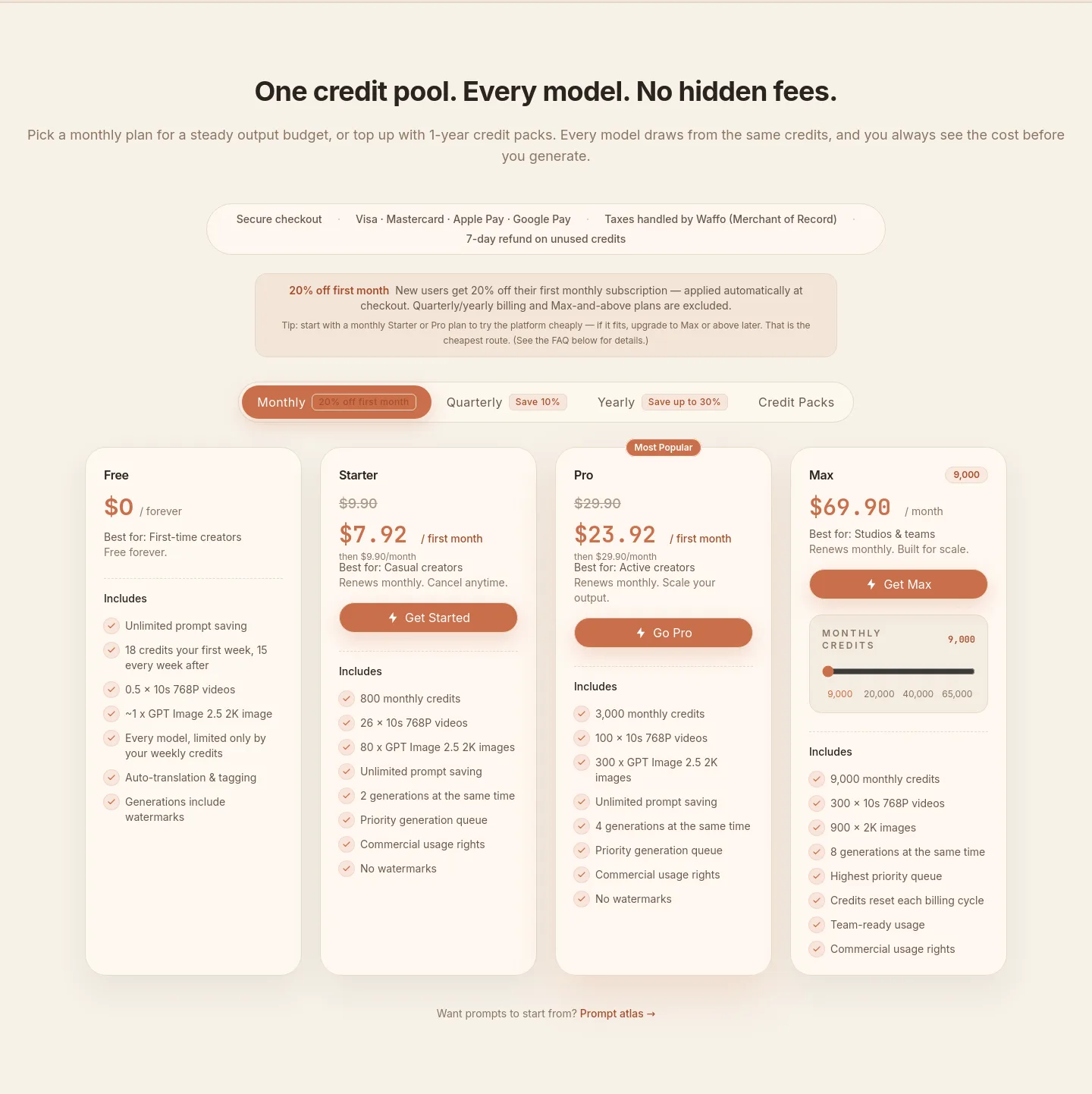
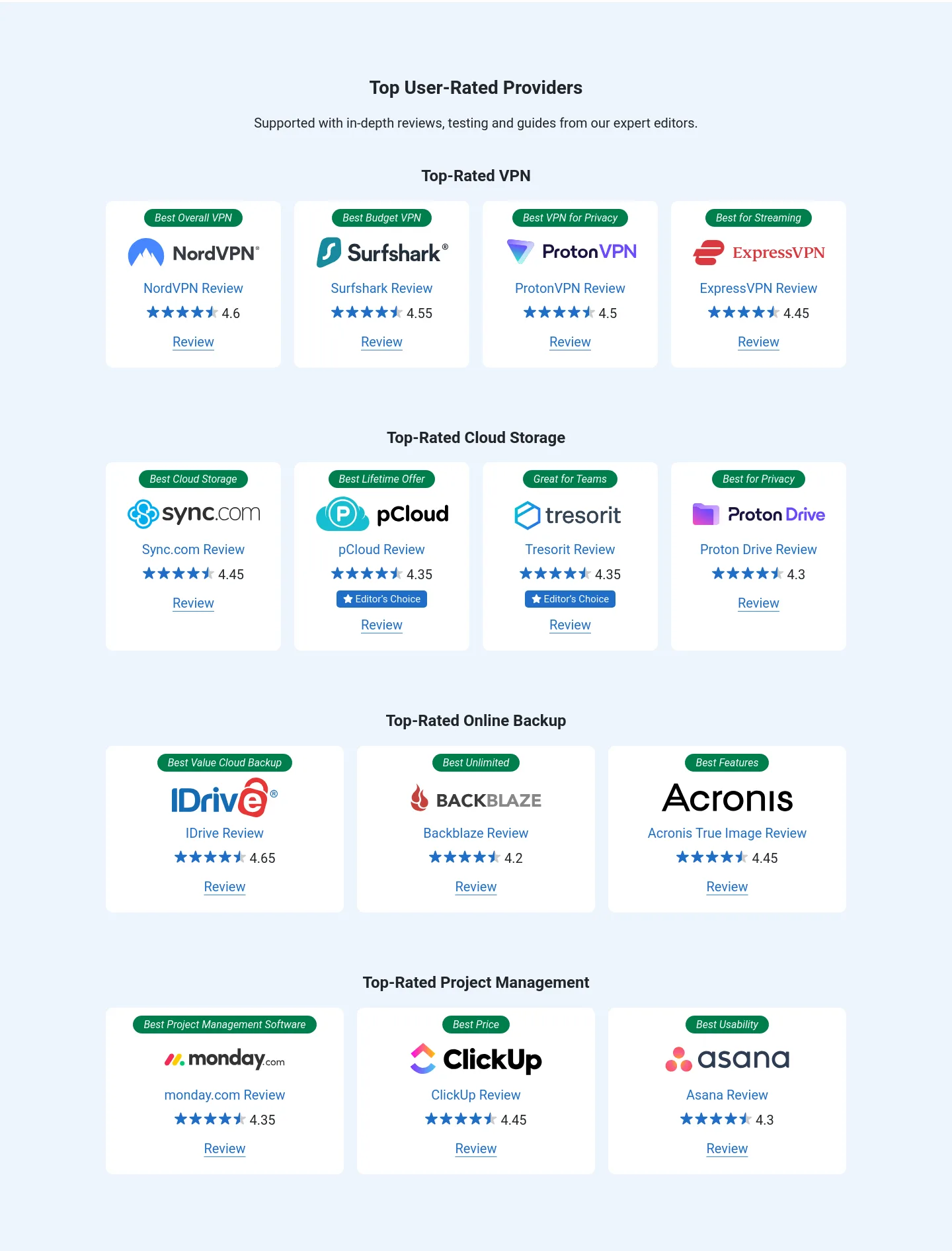
No sections match these filters.
This gallery shows 396 real feature grids, cropped from 354 different sites, each cut from a live page’s full-page screenshot at the band’s measured position. 616 of the 3,919 fully measured pages carry at least one feature grid, which is 16%. Among the feature grids measured, the typical feature grid takes 16% of its page’s height (median of 397 measured) and the typical feature grid holds 151 words (median of 369 measured). 2% of the 316 feature grids whose heading level was measured open with an h1. Classification is deterministic, from the band’s own DOM signals, with no AI judgment. Every card opens the full measured band, and the broader measured range is on the matching research page. The corpus is seeded from launch directories, so read these counts as what UXXRAY measured, not as a sample of the whole web.
How this is measured
Each card is the actual features band, cropped from a crawled page's full-page screenshot at its measured position — the highest-scoring funnels first.
Feature grid insights
- Typically 15.8% of the page tall across 397 sections
- Usually starts 26% of the way down across 397 sections
- Carries a median of 151 words across 369 sections
- Holds a median of 4 links across 198 sections
- Most often on a nav → hero → feature grid → footer page 57 of 397 pages
- feature grid comes before faq 89% of the time 181 of 203 pages carrying both
- No-credit-card note — 7% 6 of the 92 feature grids we measured in SaaS funnels
Conversion tactics measured in feature grids
Share of feature grids we measured in SaaS funnels
A count, not a recommendation
Every rate is a lower bound: where the extractor found a tactic elsewhere on the same capture, that section leaves the denominator rather than counting as a miss, because only one position per tactic per page is recorded.
Page shapes, corpus-wide
34 page shapes cover half of the 3,290 pages we've measured. The most common is nav → hero → content → footer: 372 pages (11%). Measured across the funnels we've walked: SaaS 84% · E-commerce 12% · Affiliate 4% · Lead gen 1%.
How this is counted
The top 10 shapes cover 34% of pages. Its content element is the classifier’s terminal fallback (a band nothing else matched), not a named section. With that unnamed fallback removed from every sequence, 465 distinct shapes remain (down from 991 raw) and the top 10 cover 52%. Raw distinct counts move with detector coverage, not with design, so concentration is the number worth citing.
The pieces inside these: the Element Library. Back to all section designs.